
7 Mistakes You’re Making with Your Pastoral Ministry Degree (And How to Fix Them)
URL Slug: /blog/pastoral-ministry-degree-mistakes/
Meta Description: Discover the seven most common pitfalls in theological education. Learn how to align your pastoral ministry degree with real-world congregational needs today.
The pursuit of a pastoral ministry degree is a sacred commitment to the future of the Church. It represents a season of intense preparation, theological reflection, and personal sacrifice. However, many students find that their academic journey does not always translate into effective leadership within a local congregation.
In the current ecclesiastical landscape, the gap between the classroom and the pulpit continues to widen. Students often graduate with a wealth of theoretical knowledge but lack the practical competencies required for daily ministry. This discrepancy can lead to frustration, burnout, and a sense of inadequacy when facing the complex realities of parish life.
Understanding the common mistakes made during theological training is the first step toward a more fruitful vocation. By identifying these pitfalls early, you can pivot toward a more integrated approach to your education. This guide explores seven critical errors and provides actionable solutions to ensure your degree serves as a robust foundation for your calling.
1. Accumulating Significant Financial Debt
One of the most pervasive mistakes in modern theological education is the assumption that high student debt is a necessary burden. Many prospective pastors begin their ministry under the weight of massive loans that dictate their career choices. This financial pressure often forces graduates to seek high-paying positions rather than following a specific call to underserved communities.
In 2026, the Return on Investment for a degree is a primary concern for every diligent student. You must prioritize a path that allows you to graduate without the burden of traditional debt. Educational models that emphasize affordability ensure that your future ministry remains focused on the mission of God rather than loan repayment.
From Financial Burden to Economic Freedom: By choosing a competency-based program, you can align your tuition with your actual progress. This approach fosters a sustainable lifestyle and protects the financial health of your future household. Consider resources like Living Out Our Callings in the Workplace to understand how faith and economics intersect.
2. Isolating Academic Study from Parish Life
Many students mistakenly believe that they must step away from their local church to focus on their studies. This isolation creates a vacuum where theological concepts are explored in the abstract. When you separate your education from the rhythm of a worshipping community, you lose the primary context for your formation.
Theology is meant to be lived and breathed within the life of the Church. Studying in context, or "in-situ," allows you to apply what you learn on Tuesday to the ministry challenges you face on Sunday. This immediate application reinforces learning and ensures that your education remains grounded in reality.
From Abstract Theory to Contextual Wisdom: Engage in your degree while remaining active in your home congregation. This synergy between the academy and the altar is the hallmark of effective pastoral formation. It prevents the ivory tower syndrome and keeps your heart connected to the people you are called to serve.
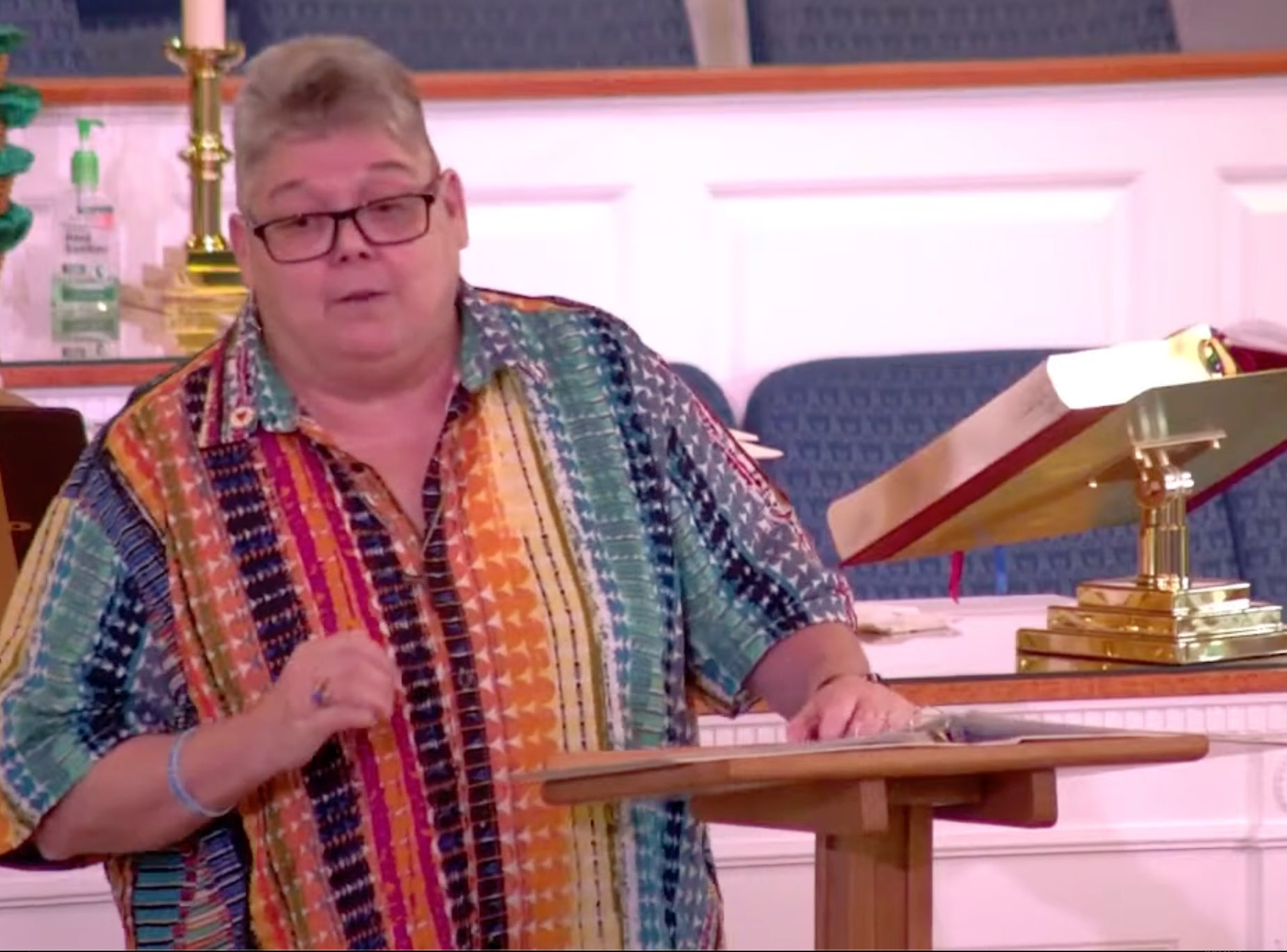
3. Prioritizing Intellectualism over Spiritual Vitality
It is a common irony that students of divinity can easily neglect their own spiritual health. The rigors of Greek paradigms, Hebrew syntax, and historical theology can become substitutes for personal prayer and devotion. If your academic work does not lead you to a deeper love for Christ, it has failed its primary purpose.
A pastoral ministry degree should be a tool for spiritual growth rather than a replacement for it. Neglecting your inner life during your studies sets a dangerous precedent for your future career. A pastor who lacks a vibrant devotional life will quickly find their public ministry to be hollow and unsustainable.
From Academic Rigor to Spiritual Depth: Integrate your study habits with liturgical practices. Treat your reading as a form of "Lectio Divina" and your assignments as an offering of worship. This holistic approach ensures that your intellect and your spirit grow in tandem.
4. Neglecting Practical Leadership Competencies
Theological institutions excel at teaching "what" to think but sometimes struggle to teach "how" to lead. A degree that focuses solely on the history of the Reformation or systematic theology may leave you unprepared for conflict resolution. Pastoral ministry requires a diverse set of administrative and interpersonal skills.
Many graduates are surprised by the amount of time spent on committee meetings, budget management, and organizational leadership. If you do not intentionally seek training in these areas, you will encounter significant hurdles. Practical ministry skills are just as essential to the health of the church as sound doctrine.
From Student to Shepherd: Seek out opportunities to practice leadership within your current ministry context. Observe how your mentors handle difficult pastoral situations and ask for feedback on your own performance. You might also find inspiration in Witness to Life: Preaching and Poetry as Theology and Art to see how diverse skills enhance ministry.

5. Failing to Translate Theology for the Pew
A frequent mistake among new graduates is the tendency to use academic jargon in the pulpit. While you have spent years mastering complex theological terms, your congregation needs clear and accessible truth. If you cannot explain a concept to a child or a non-believer, you have not truly mastered it.
Preaching is the art of translation. It involves taking the profound mysteries of the faith and making them relevant to the everyday lives of your listeners. Failing to do this creates a barrier between the Word of God and the people of God. Your degree should equip you to be a bridge-builder, not a gatekeeper of specialized knowledge.
From Scholar to Communicator: Practice articulating your theological insights in simple, evocative language. Focus on the practical implications of doctrine for the stay-at-home parent, the factory worker, and the business executive. This commitment to clarity will make your ministry more impactful and relatable.
6. Viewing Graduation as the Final Destination
Some students treat their commencement ceremony as the end of their theological journey. This perspective is a significant error that leads to stagnation. The Church and the world are constantly changing, and a pastor must remain a lifelong learner to be effective.
Continuing education is not just about staying current with academic trends. It is about deepening your wisdom and expanding your capacity to serve a diverse world. When you stop learning, your ministry begins to lose its vitality and relevance. Your degree is merely the initiation into a life of disciplined reflection.
From Graduate to Lifelong Disciple: Commit to a plan of ongoing professional development even before you finish your degree. This might include attending workshops, reading new theological works, or pursuing advanced certifications. For a broad perspective on global ministry, explore the Dictionary of Mission: Theology, History, Perspectives.
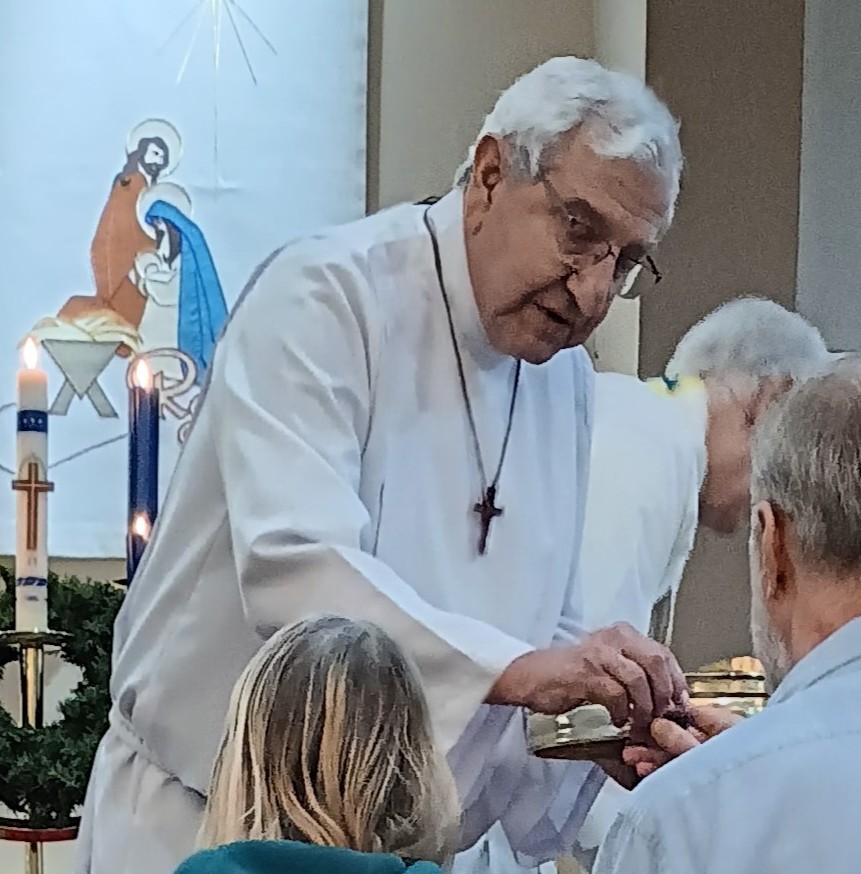
7. Ignoring the Specific Cultural Context of Ministry
Finally, many students attempt to apply a "one size fits all" approach to pastoral work. They learn models of ministry in a classroom and try to impose them on a congregation without considering the local culture. This lack of cultural intelligence can lead to resistance and failed initiatives.
Every community has its own unique history, values, and social dynamics. To lead effectively, you must first become a student of the people you serve. Your degree should provide you with the tools to exegete a culture just as carefully as you exegete a biblical text. Ignoring this step is a recipe for pastoral frustration.
From Outsider to Incarnational Leader: Invest time in listening to the stories of your community. Understand the local economy, the educational system, and the social challenges facing your neighbors. By rooting your ministry in the specific soil of your context, you allow the Gospel to take deeper root in the lives of the people.
Cultivating a Sustainable Vocation
The journey toward a pastoral ministry degree is filled with both challenges and opportunities. By avoiding these seven common mistakes, you position yourself for a more resilient and impactful ministry. Remember that your education is a means to an end, which is the glory of God and the flourishing of His Church.
Emmanuel Lutheran Global Seminary is dedicated to a model of education that addresses these very pitfalls. Our competency-based approach ensures that you are prepared for the real-world demands of the parish. We emphasize "in-situ" formation that keeps you connected to your calling and your community.
As you navigate your path, keep your eyes fixed on the ultimate goal of your vocation. Let your academic pursuits be fueled by a passion for the Gospel and a love for the people. With a clear vision and a humble heart, your pastoral ministry degree will become a powerful catalyst for transformation.

For more information or to discuss your personal discernment and formation plan, please reach out to us via email at Team@ELGS.org. We would be excited to speak with you!
Comments