
Do You Really Need a Traditional Campus? The Truth About Choosing a Contextual Seminary
Explore the benefits of competency-based theological education and in-situ pastoral formation. Learn why a contextual seminary offers a debt-free path to ministry.
For many years, the journey toward pastoral leadership followed a singular path. An aspiring candidate would pack their belongings and move to a secluded campus for several years. They would sit in lecture halls and study ancient texts far removed from the daily struggles of a local congregation. This traditional model served a purpose in a different era. However, the needs of the modern church and the calls of prospective students have changed significantly.
Many aspiring leaders now question if an accredited seminary degree requires leaving their homes and families. The transition to competency-based theological education offers a new path for those pursuing ministry. It is a shift from isolated learning to in-situ pastoral formation. This model allows students to remain in their current communities while receiving a high-quality education.
Choosing a contextual seminary means prioritizing the integration of faith and practice where it matters most. It is about recognizing that the local church is the most effective classroom for a future pastor. In this article, we will explore why a traditional campus is no longer a requirement for excellence. We will examine how learning in context prepares you for the realities of modern ecclesiastical leadership.
The Rise of Competency-Based Theological Education
The theological landscape is experiencing a significant shift toward practical proficiency. Competency-based theological education focuses on what a student can actually do in a ministry setting. Traditional models often measure success by the amount of time spent sitting in a classroom. In contrast, this modern approach values the mastery of specific skills and theological insights.
Students are expected to demonstrate their understanding through real-world applications within their own congregations. This method ensures that theological concepts are not just abstract ideas but are lived realities. It allows for a more personalized pace of learning that respects the prior experience of the student. Many leaders find that this model honors their existing calling while deepening their academic foundations.
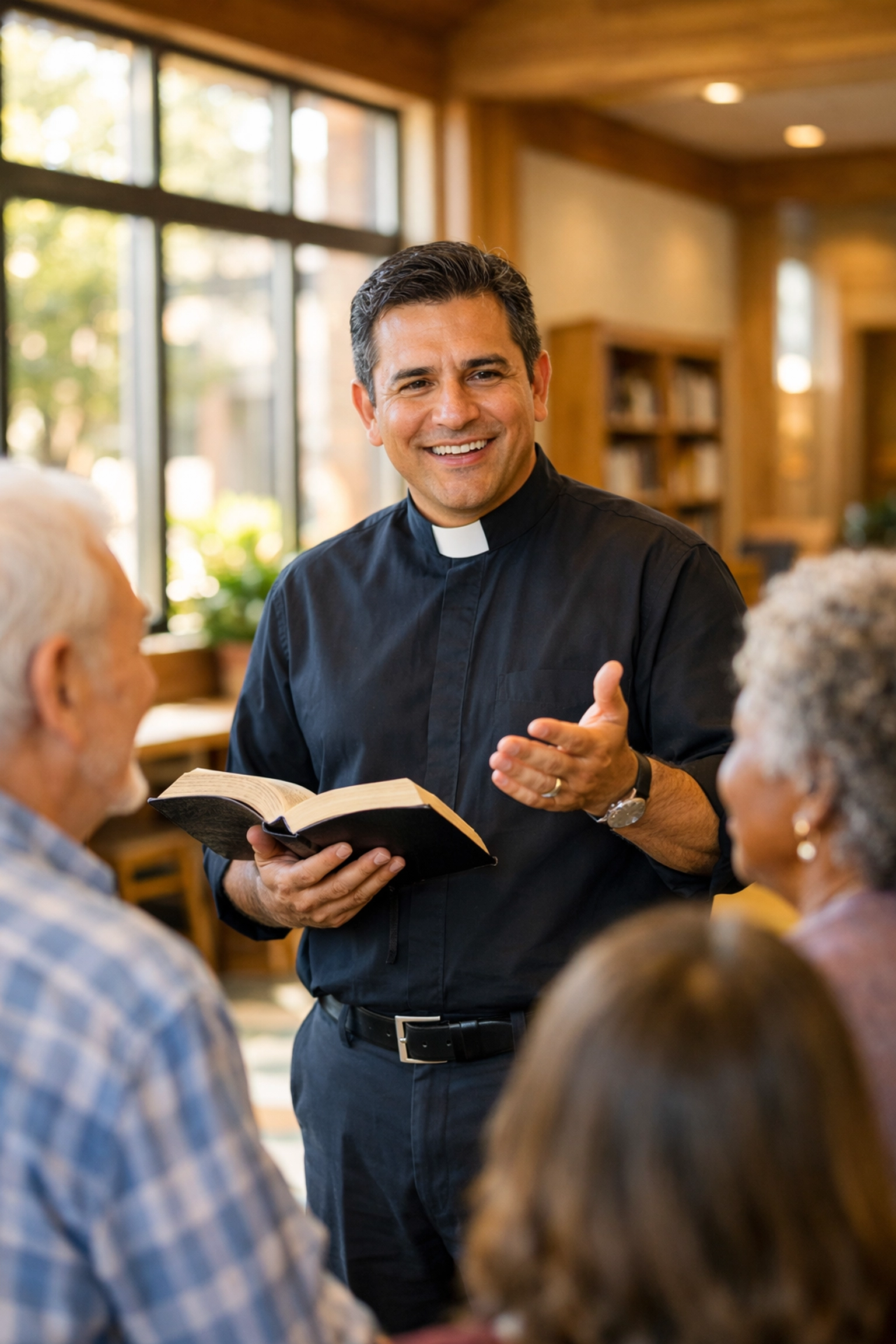
By focusing on competencies, the accredited seminary ensures that graduates are ready for the complexities of the parish. You are not just earning a degree; you are cultivating the specific virtues required for service. This approach bridges the gap between the academy and the altar. It creates a seamless flow between rigorous study and active service in the name of Christ.
Understanding the Power of In-Situ Pastoral Formation
The term "in-situ" refers to something that is in its original place. In the context of ministry training, in-situ pastoral formation means that your development happens within your local ministry site. You do not have to leave your flock to learn how to lead them. Instead, your daily interactions with your community become the primary laboratory for your growth.
This model of formation acknowledges that spiritual leadership is caught as much as it is taught. When you study ethics or homiletics, you can immediately apply those lessons to your local context. You are able to observe the immediate impact of your studies on the people you serve. This creates a feedback loop that enriches both the student and the congregation.
Staying in your community also preserves the vital relationships that sustain ministry. You do not have to disrupt your family life or leave a job to pursue your calling. Many students find that their local church becomes a supportive partner in their educational journey. This collaborative spirit fosters a sense of shared mission between the seminary and the parish.
Financial Stewardship and the Debt-Free Ministry
One of the most pressing concerns for modern students is the burden of educational debt. The traditional campus model often comes with high tuition fees and significant living expenses. Many graduates enter ministry with a financial weight that hinders their ability to serve effectively. A contextual seminary offers a much-needed alternative through affordable, flexible structures.
By removing the need for physical infrastructure and dormitory maintenance, costs are kept low. This allows students to graduate without the heavy burden of traditional debt. We believe that financial stewardship is a vital component of a healthy ministry. When you are not preoccupied with monthly loan payments, you are free to focus entirely on your calling.

Choosing an affordable path is not just a practical decision; it is a theological one. It reflects a commitment to the wise use of resources for the sake of the Gospel. You can find more details about our commitment to accessible education on our Our Impact page. We believe that every called leader should have access to training regardless of their financial status.
The Myth of the Isolated Academic
There is a common misconception that deep theological reflection requires total isolation. Some believe that one must withdraw from the world to truly understand the nature of God. While periods of retreat are valuable, the most profound theology often emerges from the heart of the community. A contextual approach challenges the myth of the isolated academic.
In a contextual model, your professors act as mentors who guide you through the intersection of text and life. They help you navigate the challenges of your specific ministry while maintaining academic rigor. This relationship is more akin to an apprenticeship than a traditional teacher-student dynamic. It honors the ancient tradition of passing on the faith within the community of believers.
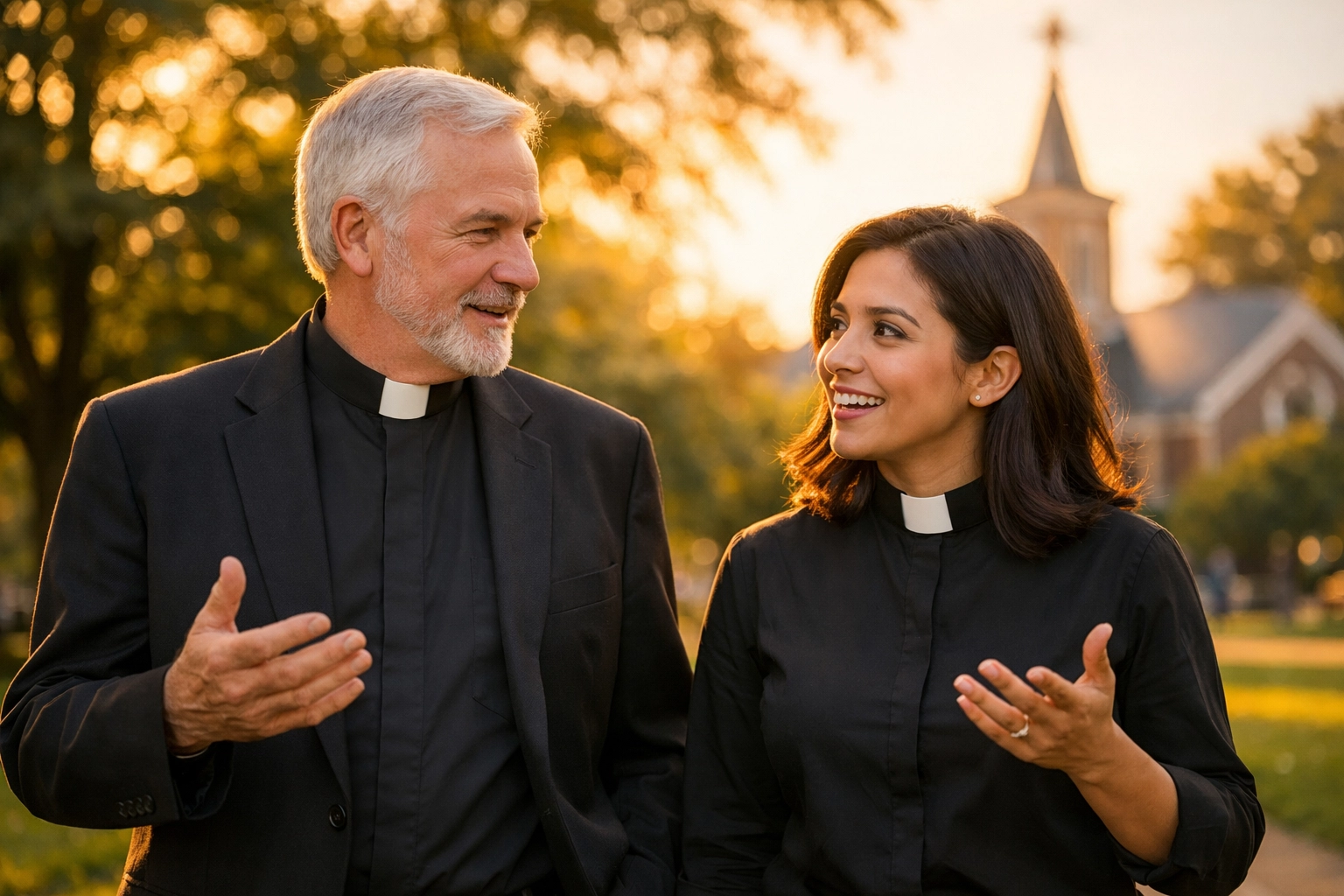
Learning in context also prevents the "culture shock" that many graduates feel when leaving a campus. They often find that the theories they learned do not translate easily to the messy reality of the parish. A student engaged in in-situ pastoral formation never loses touch with that reality. They are already practicing the skills they will need for a lifetime of service.
Flexibility for the Modern Disciple
Life in the twenty-first century is complex and often fast-paced. Many called leaders are already working in secular jobs or serving in lay leadership roles. A traditional campus schedule is often impossible for these dedicated individuals to manage. Contextual education provides the flexibility needed to balance these various responsibilities.
You can engage with your coursework at times that suit your unique schedule. Whether you are a parent, a full-time professional, or a bi-vocational minister, this model adapts to you. This flexibility ensures that you do not have to choose between your current duties and your future goals. You can see how others have balanced these demands by reading about Stephanie’s Journey.
This model also allows for a global classroom experience. While you remain in your local context, you are connected to a diverse network of peers and scholars. You gain a global perspective on the church without ever having to leave your neighborhood. This blend of local roots and global vision is a hallmark of the Emmanuel Lutheran Global Seminary experience.
Ensuring Quality Through Accreditation
It is natural to wonder if a non-traditional model maintains high standards. However, an accredited seminary must meet rigorous benchmarks for academic excellence. Accreditation provides an external validation that your degree will be recognized by denominations and other academic institutions. It ensures that the competencies you master are held to a universal standard of quality.
At Emmanuel Lutheran Global Seminary, we take this responsibility very seriously. Our programs are designed to be both academically challenging and practically relevant. We believe that the church deserves leaders who are both deeply knowledgeable and highly skilled. You can explore our specific academic offerings and requirements on our Programs page.

Our faculty members are not just academics; they are experienced practitioners who understand the nuances of ministry. They provide the oversight and guidance necessary to ensure that every student reaches their full potential. This commitment to quality is what sets a true contextual seminary apart. We are dedicated to your success and the flourishing of the communities you serve.
From Student to Servant-Leader
The ultimate goal of any theological education is to prepare you for a life of service. The transition from being a student to being a servant-leader should be a natural progression. In a contextual model, this transition happens every single day. You are constantly moving between study and service, reflection and action.
This integrated approach creates a robust foundation for long-term ministry. You develop the habits of a lifelong learner who knows how to find answers in the midst of challenges. You learn to rely on the Holy Spirit as you apply your studies to the needs of your neighbors. This is the heart of true pastoral formation.

We have seen this transformation in the lives of many of our candidates. For instance, Beatrice D’Angelo serves as a wonderful example of how contextual learning empowers the individual. Her journey illustrates the beauty of staying rooted while reaching toward new heights of leadership. We invite you to consider how your own story might unfold within this model.
Join the Mission of Global Transformation
The church is entering a new season, and the world needs leaders who are ready to meet the challenge. The traditional campus is no longer the only, or even the best, way to prepare for ministry. By choosing a contextual seminary, you are choosing a path of relevance, affordability, and deep spiritual growth. You are choosing to let your current community be the soil in which your ministry grows.
We invite you to join us in this collective mission of global transformation. Whether you are pursuing a Bachelor of Arts or a Master of Divinity, your journey matters to the kingdom of God. Our faculty and staff are ready to support you as you answer the call on your life. We believe that together, we can equip a new generation of leaders for the sake of the world.
Are you ready to take the next step in your calling without leaving your community? We invite you to learn more about our unique approach and our vibrant community of learners. Visit our Our Story page to see where we have been and where we are going. Let us walk together toward a future where every community has a leader who is prepared, passionate, and debt-free.
For more information or to discuss your personal discernment and formation plan, please reach out to us via email at Team@ELGS.org. We would be excited to speak with you!
Comments