
From Academic Theory to Congregational Transformation: The Power of In-Situ Pastoral Formation
Meta Description: Explore how in-situ pastoral formation at Emmanuel Lutheran Global Seminary revitalizes local churches and offers a debt-free path to professional ministry.
The landscape of theological education is undergoing a significant and necessary transformation. Traditional models often separated the hallowed halls of the classroom from the daily life of the sanctuary. This separation frequently created a divide between abstract theory and the practical needs of a living community. At Emmanuel Lutheran Global Seminary, we believe that the most effective preparation for ministry occurs within the heart of the church itself.
In-Situ Pastoral Formation serves as the cornerstone of our educational philosophy. This approach allows students to remain deeply embedded in their local contexts while they pursue their degrees. By integrating academic rigor with immediate congregational service, we ensure that theological education is never a solitary endeavor. Instead, it becomes a communal journey that benefits the student, the congregation, and the wider body of Christ.
Graduating without the burden of traditional debt is a primary objective for the modern seminarian. By utilizing a competency-based model that prioritizes in-context learning, students can avoid the high costs associated with residential campus life. This creates a sustainable path for those called to serve, ensuring that financial barriers do not hinder the future of the church. The return on investment for both the student and the local parish is immediate and profound.
The Seminarian as a Catalyst for Vitality
A seminarian who is actively learning and serving simultaneously brings a unique energy to a local congregation. They often serve as a bridge between ancient traditions and contemporary theological insights. As they engage with their coursework, they bring fresh perspectives to Bible studies, youth programs, and outreach initiatives. This constant flow of new ideas helps to maintain a sense of spiritual vitality within the community.

The presence of a student in formation signals to the congregation that they are a place of growth and renewal. Members of the parish become part of the educational process, offering a supportive environment for the student to practice their craft. This symbiotic relationship fosters a culture of lifelong learning for everyone involved. The congregation is not just a backdrop for education; it is the laboratory of the Holy Spirit.
When a seminarian applies their weekly learnings to the benefit of the community, the impact is tangible. A lesson on homiletics might translate into a more engaging sermon or a transformative liturgy. A study on pastoral care might lead to a more robust visitation program for the homebound. This immediate application ensures that the theological education remains relevant and responsive to the needs of the people.
Bridging the Gap Between Classroom and Chancel
In-situ formation recognizes that the skills required for ministry are best honed through repetition and reflection. While textbooks provide the necessary framework, the nuances of pastoral leadership are learned through experience. By serving while they learn, students develop a "pastoral consciousness" that is grounded in reality. They learn to navigate the complexities of human relationships and institutional leadership in real time.

This model of education aligns with the findings of the Association of Theological Schools, which highlights the importance of integrating practice and theory. Students who are engaged in their local contexts often report a higher level of satisfaction with their studies. They are able to see the direct correlation between their academic efforts and the flourishing of their ministry. This practical application solidifies their learning and prepares them for the challenges of full-time leadership.
Furthermore, the in-situ model allows for a more diverse range of individuals to pursue a call to ministry. Those who have established careers or family obligations can continue their work while they study. This inclusivity enriches the church by bringing in leaders with a wide variety of life experiences. It ensures that the leadership of the future reflects the diversity of the world we are called to serve.
The Crucial Role of the Local Parish Pastor
The local parish pastor plays an indispensable role in the formation of a seminarian. They serve as a mentor, a supervisor, and a living example of what it means to be a faithful servant of the Word. This relationship is central to the success of the in-situ model. The mentor pastor provides the guidance and feedback necessary for the student to grow in their vocation.
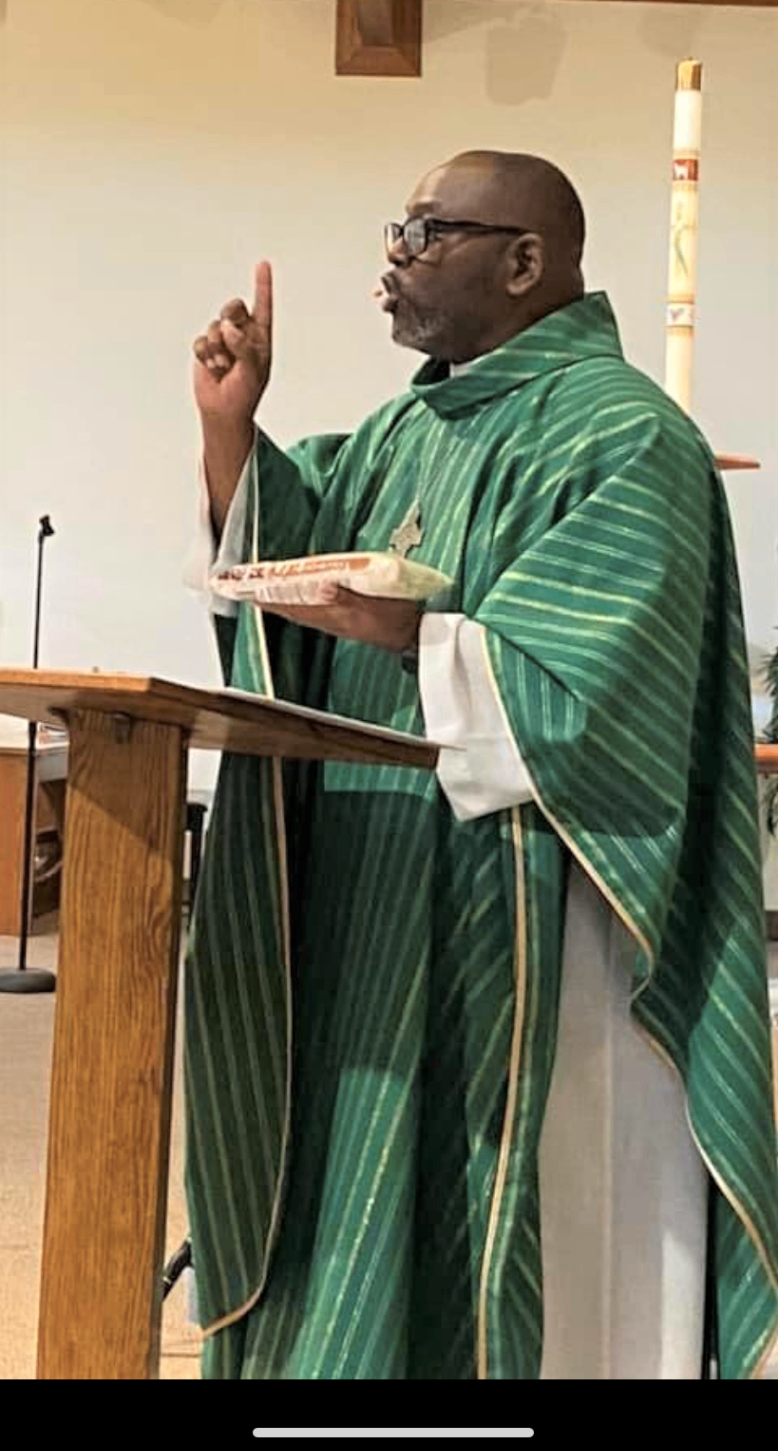
Mentorship involves more than just oversight of tasks; it requires a deep investment in the spiritual and professional development of the student. The mentor pastor helps the seminarian reflect on their experiences through a theological lens. They provide a safe space for the student to ask difficult questions and to process the challenges of ministry. This guided reflection is essential for the integration of knowledge and practice.
By involving local pastors in the formation process, the seminary ensures that its graduates are well-equipped for the realities of modern ministry. The mentor pastor acts as a gatekeeper for the profession, ensuring that the student meets the necessary competencies. This collaborative approach between the seminary and the local church strengthens the bond between the academy and the parish. It ensures that the future of the church is in capable and well-trained hands.
Cultivating Leadership Through Service
The future of the church depends on leaders who are both spiritually grounded and practically skilled. In-situ formation focuses on developing the whole person, addressing the human, spiritual, and intellectual dimensions of leadership. By serving in a congregation full of vitality, the seminarian learns what it looks like to lead with integrity and compassion. They witness the impact of a healthy community and learn how to foster that health in their own future ministries.
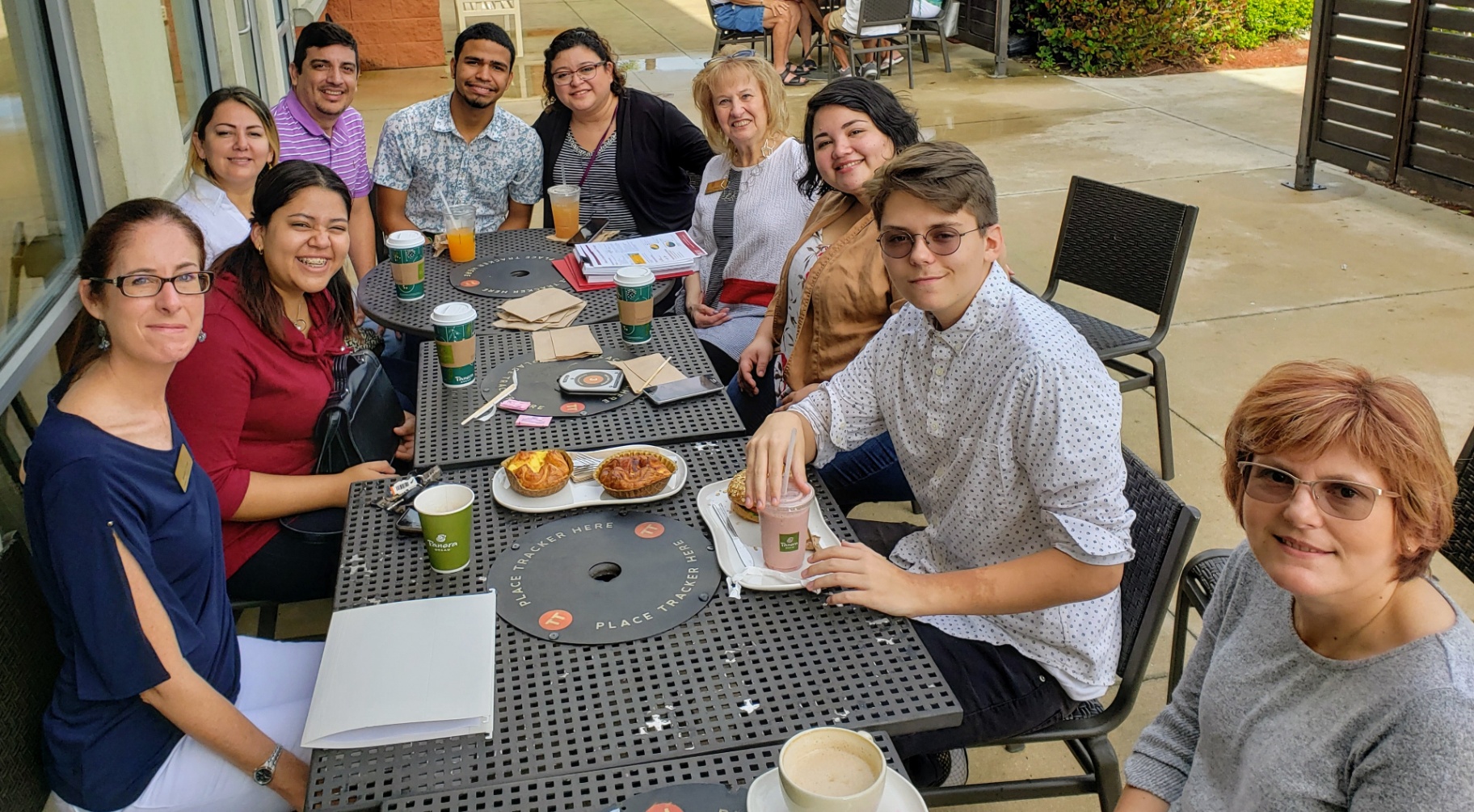
The Pew Research Center often notes the changing dynamics of religious affiliation and congregational health. Leaders who are trained in the context of a local community are better prepared to address these shifts. They understand the cultural nuances and social challenges that their congregants face every day. This localized knowledge is a powerful tool for effective evangelism and community engagement.
Students pursuing a Doctor of Ministry (DMin) or other advanced degrees also benefit from this contextual focus. Their research and projects are often designed to solve real problems within their specific ministry settings. This approach ensures that their advanced studies contribute directly to the vitality of the church. It transforms the dissertation from a dusty document on a shelf into a living resource for the community.
A Mission of Excellence and Accessibility
Emmanuel Lutheran Global Seminary is committed to providing a high-quality, accessible theological education. Our focus on competency-based learning allows us to measure success through demonstrated skill and understanding. This ensures that every graduate is ready to step into their calling with confidence. We invite you to learn more about our story and our commitment to the global church.
The financial sustainability of our programs is a key component of our mission. We believe that a calling to ministry should not be a sentence to a lifetime of debt. By focusing on in-situ formation, we reduce the overhead costs of education and pass those savings on to our students. This commitment to affordability is a vital part of our impact on the future of theological education.
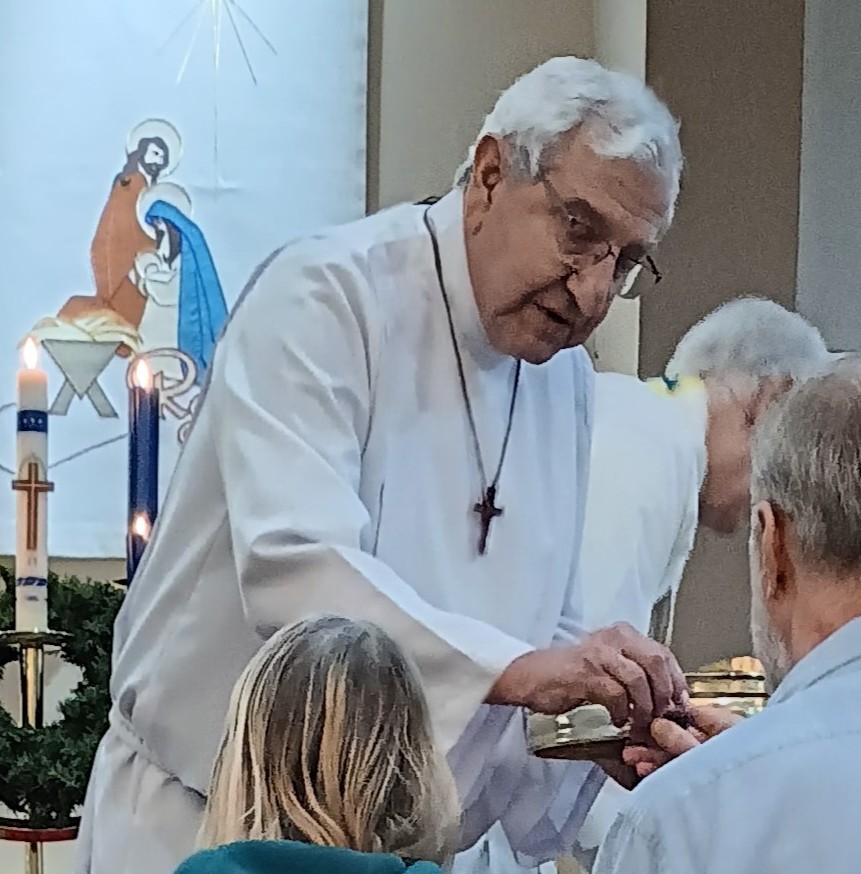
As we look toward the future, we see a church that is vibrant, diverse, and deeply engaged with the world. This vision is made possible through the dedication of seminarians who are willing to learn and serve simultaneously. Their work today is the foundation for the church of tomorrow. By investing in their formation, we are investing in the eternal mission of the Gospel.
The journey of a seminarian is one of profound transformation. It is a process of shedding old assumptions and putting on the mantle of leadership. Through the support of their local congregations and the guidance of their mentor pastors, they are prepared to serve with excellence. We are honored to walk alongside them in this sacred work.
For more information or to discuss your personal discernment and formation plan, please reach out to us via email at Team@ELGS.org. We would be excited to speak with you!
Comments