
From Campus-Bound Education to Parish-Based Formation: Why Your Local Context is the Best Classroom
- team
- Apr 27
- 5 min read
Meta Description: Discover why Emmanuel Lutheran Global Seminary prioritizes local parish training over traditional campuses for a debt-free, context-rich theological education.
URL Slug: /context-over-campus-parish-learning/
For decades, the standard path for theological education required students to leave their homes, jobs, and communities. They would move to a distant campus to study theology in an academic vacuum. While these institutions offered rigorous study, they often separated the student from the very people they were called to serve. At Emmanuel Lutheran Global Seminary, we believe in a different approach.
We advocate for Context over Campus, prioritizing the local parish as the primary site for pastoral development. This "in-situ" model ensures that your education remains grounded in the daily realities of ministry. By staying in your local context, you do not just study theology. You live it among the people who know and support your calling.
This shift toward local formation provides a superior Return on Investment for the modern student. It eliminates the high costs of relocation and allows you to continue your current professional responsibilities. Most importantly, it ensures a debt-free education that respects your financial stewardship. Our mission is to empower leaders without the heavy burden of traditional student loans.
The Pedagogical Power of Proximity
When a student remains in their local parish, the sanctuary becomes their laboratory. The "in-situ" model creates a seamless transition between the classroom and the pulpit. Every lesson learned in a textbook is immediately tested in a real-world ministry setting. This approach deepens the pedagogical experience by providing immediate feedback from congregants and mentors.
Theological education is most effective when it is experienced through service. When you stay in your context, you are not waiting four years to begin your ministry. You are actively engaged in the life of the church while you pursue your degree. This constant application of knowledge fosters a deeper level of ministerial competency.
According to a study by the National Center for Education Statistics, the rising cost of graduate degrees often deters qualified candidates from pursuing their goals. By removing the need for a physical campus, we make theological training accessible to everyone. You can find more about our specific programs that support this flexible, context-based learning.
Achieving a High Return on Investment
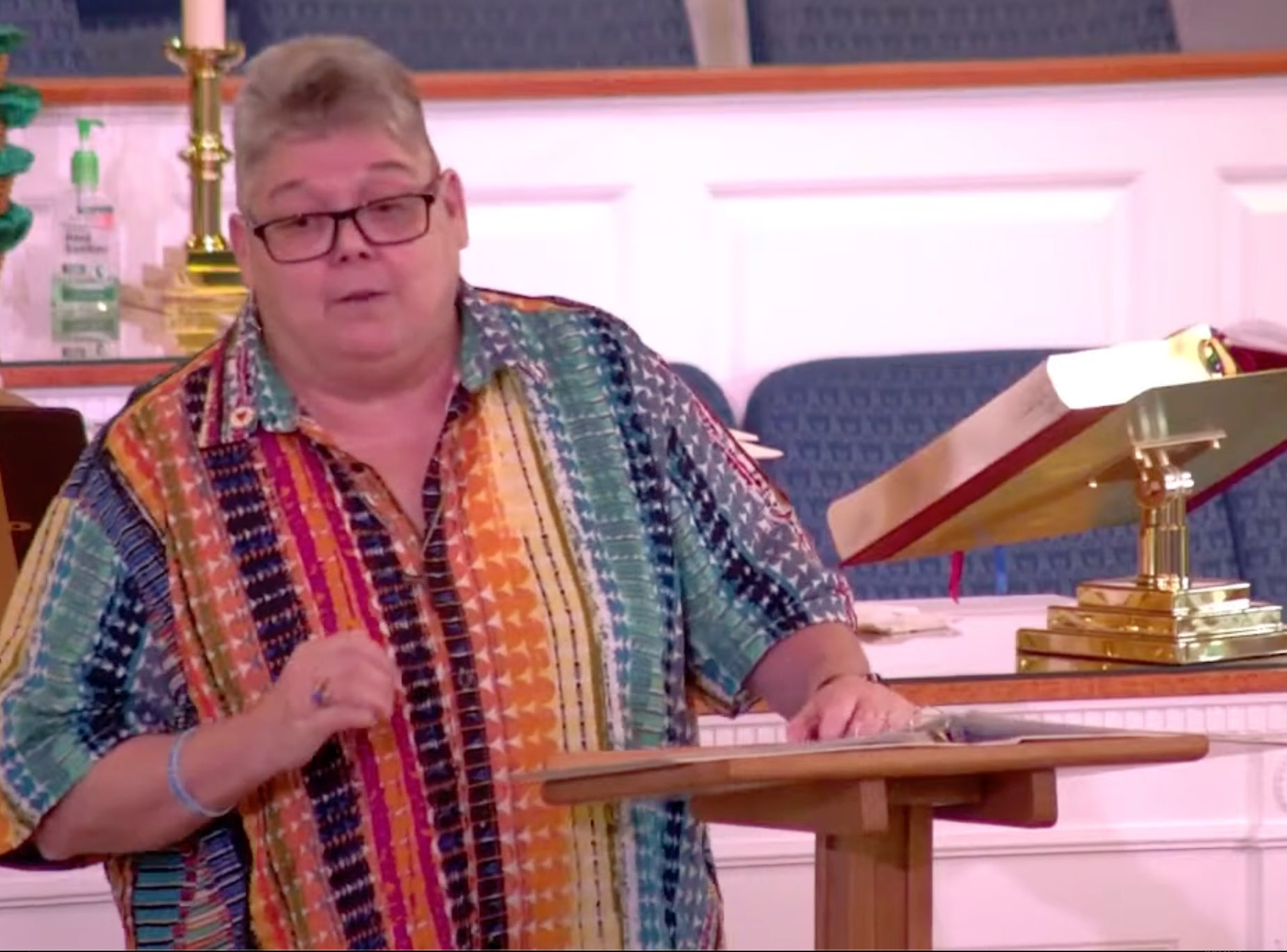
In the current economic climate, the financial aspect of education cannot be ignored. Many traditional seminaries charge high tuition rates that force students into significant debt. This debt often limits where a pastor can serve after graduation. A student burdened by loans may not be able to accept a call to a small or rural parish.
Emmanuel Lutheran Global Seminary focuses on providing a debt-free education. By utilizing local resources and avoiding the overhead of a massive campus, we keep costs low. This allows our students to graduate with financial freedom. They are ready to follow the lead of the Holy Spirit without worrying about monthly loan payments.
Key Benefits of the In-Situ Model Include:
Zero Relocation Costs: There is no need to sell a home or move a family across the country.
Career Continuity: Students can maintain their current employment while they study.
Immediate Application: Skills learned in the morning can be used in a parish meeting that evening.
Community Support: The local congregation remains a vital part of the student's support network.
Integrating Theory and Practice in the Sanctuary
Traditional campus models often create a "theory-practice gap." Students learn complex Greek syntax or historical theology in a classroom but struggle to explain it to a grieving family. In the local parish, that gap does not exist. The student is constantly translating academic concepts into pastoral care.
This integration is at the heart of our mission. We believe that the Holy Spirit works through the community of believers. Therefore, the community should be the place where leaders are formed. This ensures that the student remains humble and connected to the needs of the laity.
The local pastor or mentor plays a crucial role in this process. Instead of a distant professor, the student has a seasoned practitioner as a guide. This mentorship provides a level of vocational discernment that a campus setting cannot replicate. It turns the entire parish into a teaching congregation.
Real-World Competency over Theoretical Mastery
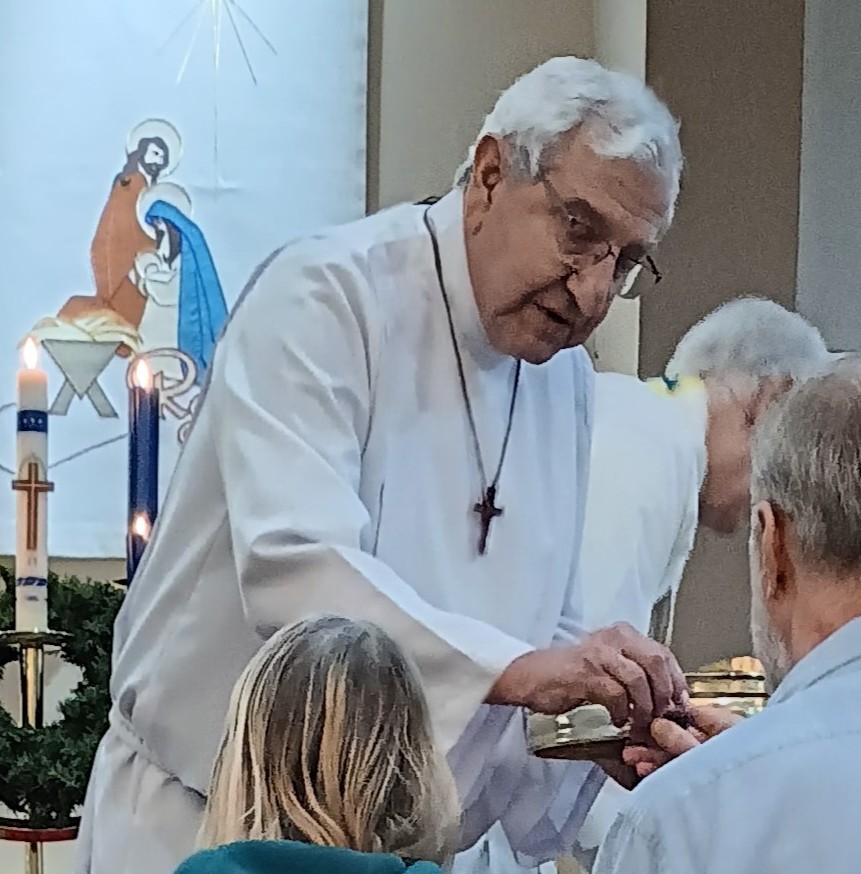
Our curriculum is built on competency-based theological education. We do not just ask if you can write a paper on the sacraments. We ask if you can faithfully administer them in a worship service. We evaluate your ability to lead, preach, and care for the flock within your specific ecclesiastical context.
This focus on competency ensures that our graduates are truly ready for the challenges of modern ministry. They have already navigated parish conflicts and led vestry meetings. They have already comforted the sick and celebrated with the joyful. Their education is not a preparation for life; it is life itself.
Research from the Pew Research Center suggests that local community ties are more important than ever for institutional health. By keeping students in their parishes, we strengthen those local ties. The student grows with the congregation, and the congregation grows with the student. This mutual development is the goal of our pedagogical approach.
From Aspiration to Action: The Student Journey
Consider the narrative of a student who is currently working a full-time job while feeling a call to ministry. In the past, this person might have felt that a seminary degree was impossible. They could not afford to quit their job or move their children to a new state. The traditional campus was a barrier rather than a gateway.
Through the in-situ model, this student begins their admissions process without fear. They remain in their current professional role, bringing their secular skills into the church. They engage in a curriculum that respects their schedule and their existing ministry commitments. They are pursuing their degree while deepening their roots in the local soil.
This journey is one of transformation and growth. The student is proactive in their learning, seeking out opportunities for service within their own neighborhood. They are supported by faculty members like Rev. Dr. Richard Bliese, who understand the value of practical leadership. The end result is a leader who is both academically prepared and pastorally seasoned.
Building a Global Network of Local Classrooms
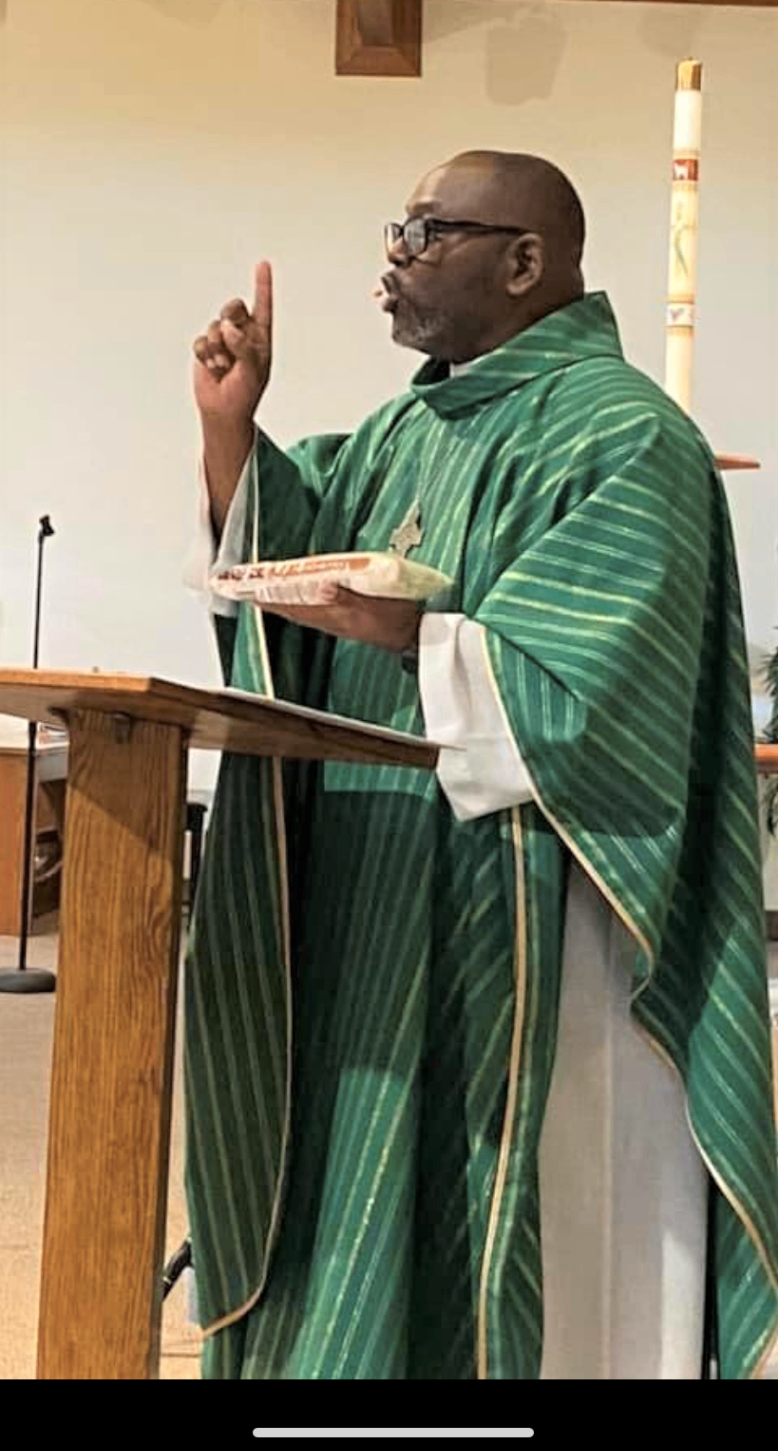
While the learning happens locally, you are never alone. Emmanuel Lutheran Global Seminary connects local students into a global network. You share insights with peers who are also serving in their own unique contexts. This exchange of ideas enriches the local experience with a global perspective.
Our model proves that you do not need a library building to have a world-class education. You need a dedicated heart, a supportive parish, and a curriculum that honors the Word of God. We are committed to providing the tools and the framework for this formation to happen anywhere in the world.
The future of the church depends on leaders who are deeply embedded in their communities. We invite you to consider how your current context might be the perfect classroom for your theological journey. Do not let the lack of a campus hold you back from answering your call.
A Community-Focused Environment
The seminary experience at ELGS is characterized by fellowship and collaboration. Even though we do not gather on a central campus, we foster a strong sense of community. This is achieved through regional gatherings and collaborative projects that involve local church leaders. We believe that hospitality and community are essential components of theological training.
Our faculty and staff are dedicated to your success. They provide the guidance and support needed to navigate a complex academic and ministerial landscape. By balancing professional achievements with spiritual milestones, we help you become a well-rounded leader. Your secular skills are not wasted; they are translated into effective ministry.
The transition from a student to a pastoral leader is a sacred path. We are honored to walk that path with you within the context of your own parish. Together, we can build a stronger church, one local classroom at a time.

For more information or to discuss your personal discernment and formation plan, please reach out to us via email at Team@ELGS.org. We would be excited to speak with you!
Comments