
From Front-Line Ministry to Pastoral Ministry Degree
Leading Like a Disciple: Lessons in Service from the Front Lines of Ministry
Meta description: Explore how servant leadership, humility, and learning in context shape a pastoral ministry degree that prepares leaders for service without traditional debt.
URL slug:/post/pastoral-ministry-degree-servant-leadership
Scheduled publication: Wednesday, September 2, 2026, at 9:00 AM EST, America/New_York
A pastoral ministry degree is more than an academic credential. For a person discerning a call to ministry, it is a disciplined path of spiritual formation, theological study, practical service, and vocational growth. The front lines of ministry reveal that faithful leadership begins not with status, but with humility, attentiveness, and a willingness to serve others in the name of Christ.
At Emmanuel Lutheran Global Seminary, students pursue theological education while remaining engaged in their churches and communities. Through learning in context, mentor-guided reflection, and competency-based assessment, they connect biblical knowledge with the daily work of preaching, teaching, caring, leading, and serving.
How a Pastoral Ministry Degree Forms a Servant Leader
Christian leadership follows the pattern of Jesus, who washed the disciples’ feet and instructed them to serve one another. This model changes how ministry preparation is understood. A future pastor is not simply preparing to occupy a position of authority. The student is deepening the character, judgment, and practical skills required to serve the people of God faithfully.
The Evangelical Lutheran Church in America describes leadership as a spiritual gift that combines confidence with humility and a servant’s heart. Such leadership may appear in a pulpit, a hospital room, a classroom, a council meeting, or a community outreach project. It may also take place quietly, as a leader empowers others to use their gifts for the common good.
A strong pastoral ministry degree therefore forms the whole person. The student studies Scripture and theology while also developing pastoral presence, ethical reasoning, cultural awareness, collaboration, communication, and spiritual discipline. Academic progress becomes meaningful when it strengthens the student’s ability to serve real people in real situations.
The purpose of ministry education is not merely to produce informed leaders. It is to form faithful servants whose knowledge leads to action.
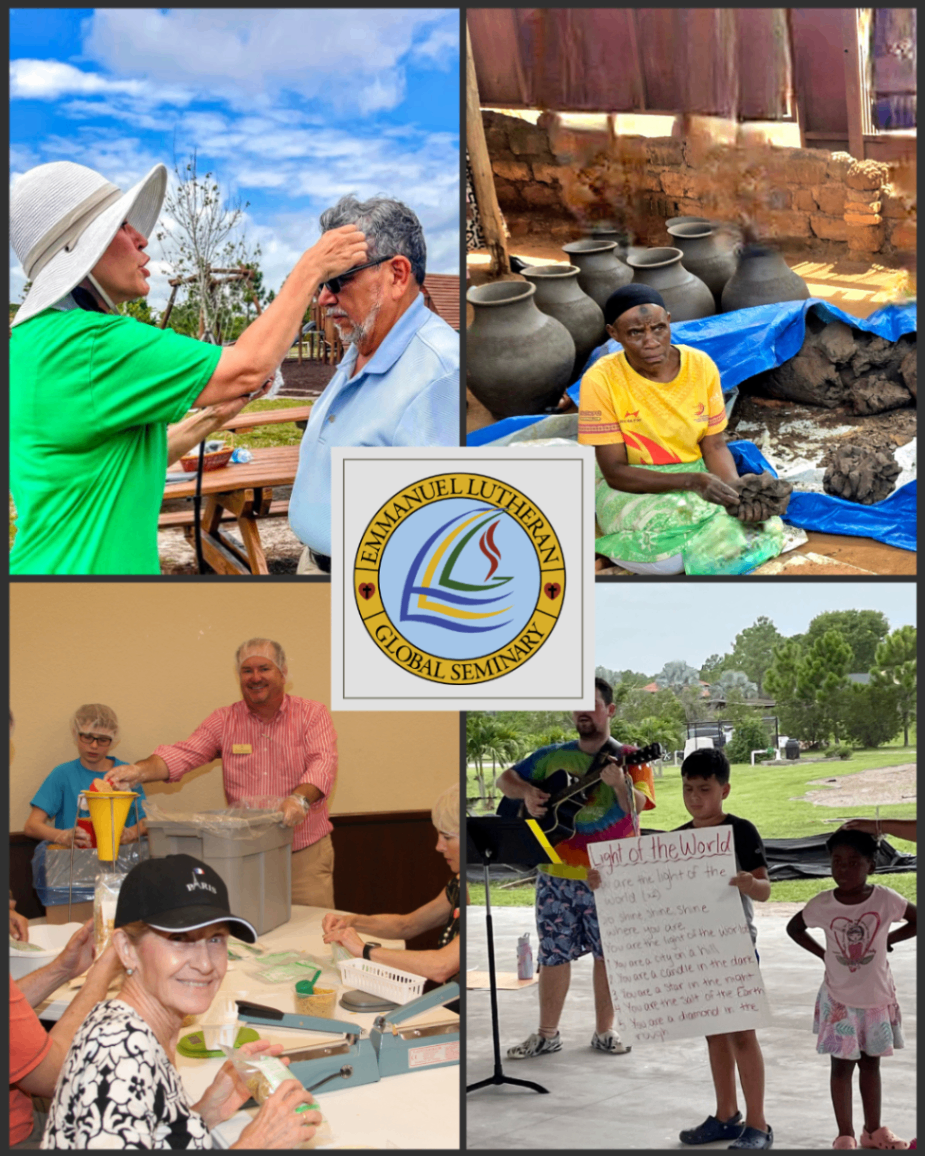
Four Lessons from the Front Lines of Ministry
Active ministry continually teaches lessons that cannot be learned through theory alone. These lessons become especially valuable when students examine their experiences with mentors, faculty members, peers, and congregational leaders.
1. Service begins with listening
A servant leader does not enter a congregation with every answer already prepared. The leader listens first to the stories, concerns, hopes, and gifts of the community. This practice requires patience, cultural humility, and respect for the wisdom already present among the people.
Listening also improves theological judgment. A sermon, pastoral visit, or congregational decision becomes more faithful when the leader understands the context in which the Gospel is being received. Through ministry practice, students learn to ask better questions before proposing solutions.
At ELGS, contextual projects help students connect their academic work with their current or desired vocational setting. A student may study pastoral care through congregational visitation, explore Christian leadership through a ministry team, or examine discipleship through a youth formation project.
2. Humility strengthens pastoral authority
Humility does not mean weakness or uncertainty about the Gospel. It means recognizing that pastoral authority is received as a trust and exercised for the sake of others. The humble leader remains teachable, welcomes correction, shares credit, and acknowledges the need for prayer and communal wisdom.
Ministry exposes personal limits. A pastor may face conflict, grief, financial pressure, cultural differences, or difficult decisions that cannot be resolved through technical skill alone. These experiences invite the leader to depend more deeply on God and to seek counsel from trusted mentors and fellow servants.
The ELCA faith practices resource emphasizes prayer, Scripture, proclamation, service, and the pursuit of justice as practices through which the Holy Spirit shapes the church. A pastoral leader grows by returning to these practices with consistency and openness.
3. Discipleship is demonstrated through relationships
Discipleship is not limited to teaching information. It involves accompanying people as they grow in faith, face hardship, discern their gifts, and learn to serve others. A pastor leads discipleship by modeling prayer, generosity, truthfulness, compassion, and perseverance.
This work requires relational skill. The pastor must communicate across generations, cultures, and levels of biblical understanding. The leader must also encourage volunteers, equip lay ministers, support families, and recognize when a person needs care from another professional or ministry partner.
A pastoral ministry degree prepares students to see these relationships as central to ministry rather than secondary to administrative work. Biblical interpretation, Christian ethics, pastoral care, worship, and leadership become connected through the needs of the community.
4. Faith in action requires perseverance
Front-line ministry rarely follows a simple schedule. A leader may prepare a sermon while responding to a pastoral emergency, managing a meeting, visiting a member, and supporting a community program. These responsibilities require organization, emotional maturity, and the ability to remain focused on the church’s mission.
Perseverance also means continuing to serve when results are not immediate. A ministry initiative may take time to develop. A struggling congregation may need patient encouragement. A person receiving pastoral care may show growth gradually. The servant leader trusts that faithful work matters even when recognition is absent.
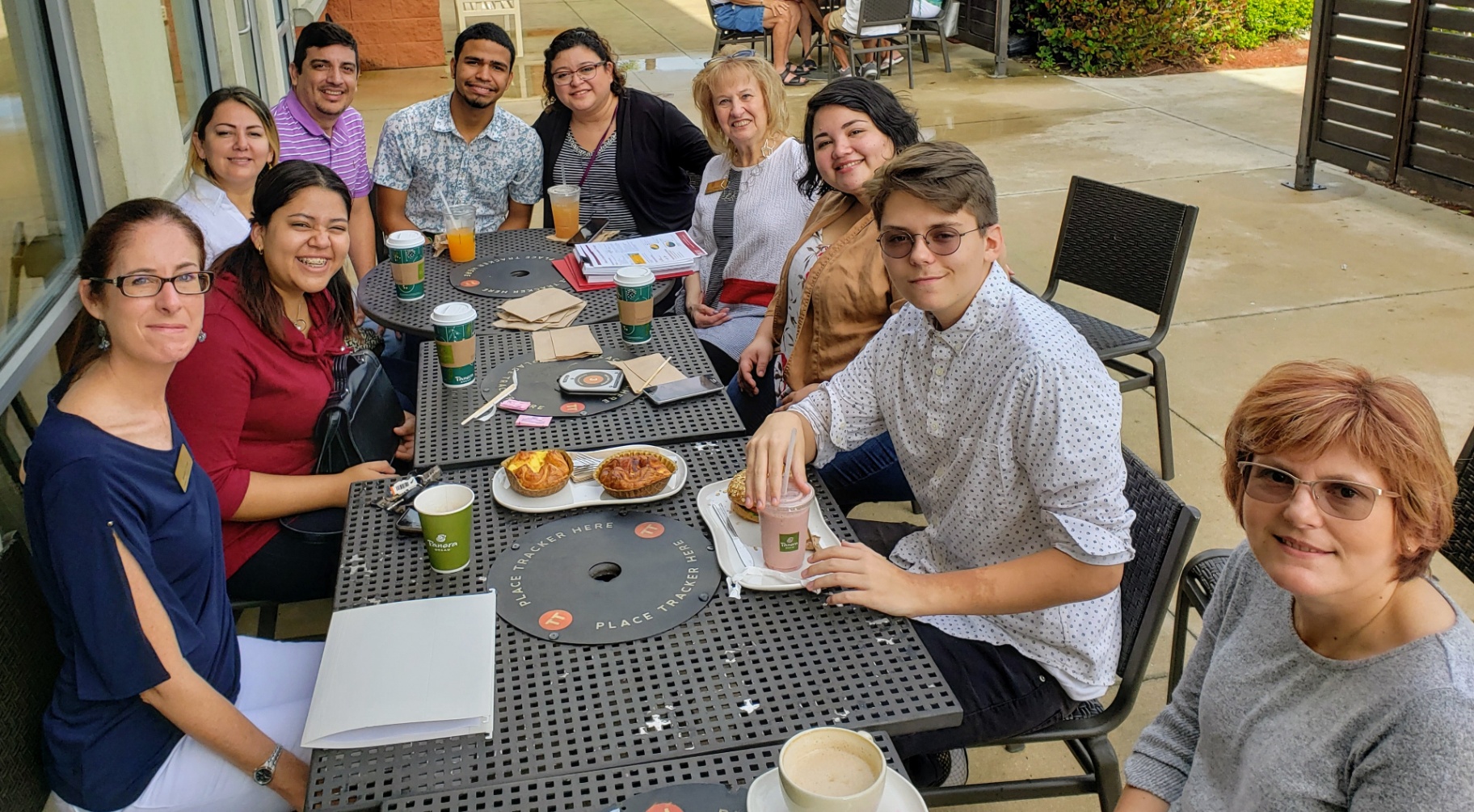
Learning in Context Deepens Ministry Formation
Traditional academic study remains important for pastoral preparation, yet ministry formation becomes stronger when learning is connected to daily service. Students read carefully, write clearly, interpret Scripture, engage theological traditions, and reflect on ecclesiastical practice. They then apply this learning in the congregation, receive feedback, and revise their work.
The ELGS Master of Divinity program emphasizes formation, biblical study, vocational discernment, theological reflection, and integrated practice. Its outcomes include biblical exegesis, Gospel proclamation, theology and worship, Christian ethics, collaboration and care, contextual projects, mentored life, and continuing formation.
This approach allows a student’s existing responsibilities to become meaningful educational opportunities. A church leader developing a food ministry may examine Christian ethics and community care. A worship leader may study liturgical theology while evaluating congregational participation. A person coordinating pastoral visits may connect practical encounters with theological reflection and spiritual care.
The learning process may include:
This cycle forms leaders who can think theologically while acting with compassion. It also respects the reality that many students are already working, raising families, serving congregations, or contributing to community life.
Return on Investment: Preparing for Ministry Responsibly
The return on investment of theological education includes spiritual, vocational, congregational, and financial dimensions. A pastoral ministry degree should equip a student for faithful service while also respecting household responsibilities and the economic realities of ministry.
Prospective students in 2026 are carefully considering tuition, lost income, family obligations, relocation, and the burden of educational debt. An education that requires a person to abandon work or leave a congregation may create financial and vocational challenges that must be included in the total cost.
ELGS is committed to affordable and flexible theological education for working adults, global students, and active church leaders. The ELGS scholarship opportunities page provides information for students seeking financial support as they pursue their calling.
A responsible financial plan should include:
The goal is to help students graduate without the burden of traditional debt whenever possible. Debt-conscious theological education may give future pastors greater freedom to serve smaller congregations, accept mission assignments, support church plants, or remain in communities where the need is greatest.
Affordability is not a reduction in academic quality. It is a form of stewardship that helps remove financial barriers while preserving rigorous theological and ministerial preparation.
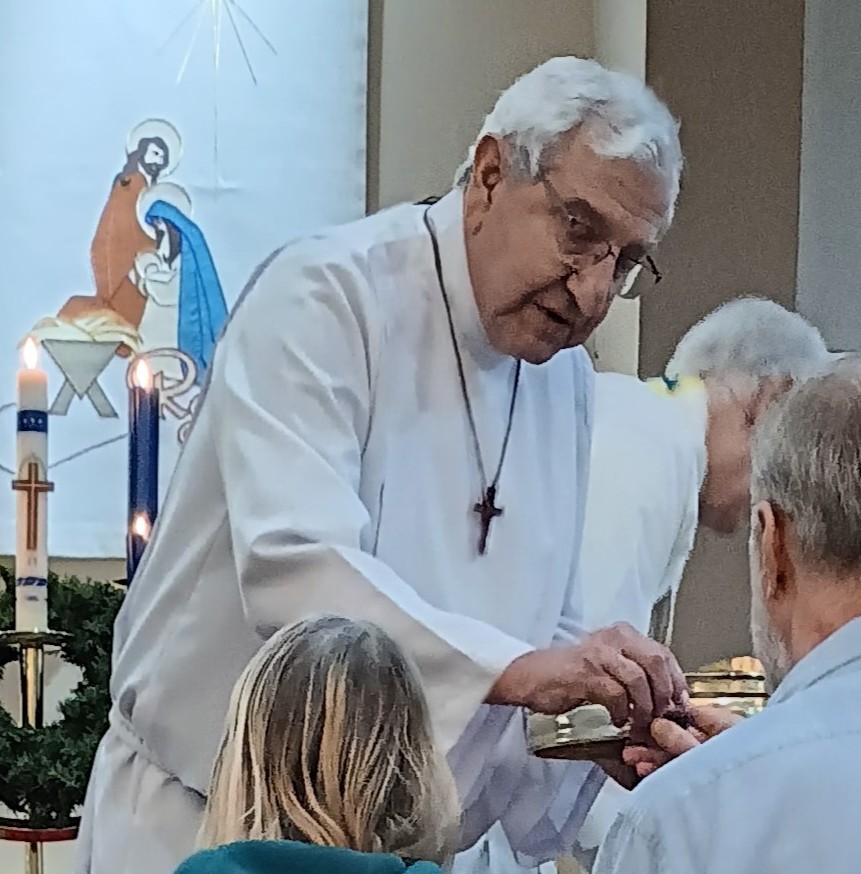
From Personal Calling to Collective Mission
A calling to ministry begins personally, but it never ends with the individual. The person who is pursuing a pastoral ministry degree is preparing to serve a congregation, strengthen a community, and participate in the wider mission of the church.
The student’s secular experience also becomes part of this preparation. Skills in teaching, administration, counseling, project management, finance, communication, or team leadership can be redirected toward ministry. Through theological reflection, these abilities are placed within a vocation shaped by love of God and love of neighbor.
The ELGS mission is to equip leaders to preach, teach, lead, and serve faith communities in Florida and worldwide. Its mentor-based, context-focused approach supports students as they grow spiritually, intellectually, and vocationally while continuing to serve their families and congregations.
A faithful leader does not seek influence for personal recognition. The leader seeks to help others flourish in Christ, to equip the baptized for service, and to bring faith into action where people are experiencing grief, poverty, isolation, injustice, or uncertainty.
That mission belongs to the whole church. Congregations can encourage people who are discerning ministry, pastors can mentor emerging leaders, and supporters can help make theological education accessible. Students can respond to the call by pursuing formation with discipline, humility, courage, and hope.
From front-line service to formal theological education, the journey is one of continual growth. Through servant leadership, discipleship, and learning in context, future pastors can move toward ministry that is academically grounded, spiritually mature, financially responsible, and centered on the love of Christ.
For more information or to discuss your personal discernment and formation plan, please reach out to us via email at Team@ELGS.org. We would be excited to speak with you!
Comments