
From Institutional Consolidation to Decentralized Empowerment: Why Local Context Matters More Than Ever
Meta Description: Explore how Emmanuel Lutheran Global Seminary prioritizes local context over traditional consolidation. Learn how to lead while you learn and graduate debt-free today.
URL Slug: /blog/decentralized-model-local-context/
The landscape of theological education is currently undergoing a significant transformation. For decades, the standard approach involved the "Great Consolidation," where smaller seminaries merged into large, centralized institutions. This model often required students to uproot their lives, leave their communities, and move to a distant campus.
Emmanuel Lutheran Global Seminary (ELGS) offers a different path through a decentralized model. This approach prioritizes the local context of the student above all else. It recognizes that the most effective ministry training happens where life and service are already taking place.
In this decentralized framework, the community becomes the primary classroom. Students do not wait until they receive a degree to begin their work. Instead, they engage in deep theological study while simultaneously serving their neighbors and congregations.
The Challenge of the Great Consolidation
Traditional theological education has often mirrored the corporate world by seeking efficiency through centralization. This "Great Consolidation" creates massive ivory towers that are frequently disconnected from the daily realities of local ministry. When institutions focus on maintaining large campuses, the financial burden often shifts to the students.
Many prospective leaders find themselves facing a difficult choice. They must either accumulate significant debt or abandon their calling entirely. The centralized model creates a barrier that prevents many gifted individuals from pursuing a Master of Divinity (M.Div.) or other advanced degrees.
Furthermore, moving away from one’s community to study can disrupt the very relationships that fuel ministry. When a student leaves their local context, they lose three or more years of active engagement. By the time they return, the needs of their community may have shifted entirely.
Defining the Decentralized Model
A decentralized model flips the traditional script by bringing the seminary to the student. At ELGS, we believe that education should be accessible regardless of geographical location. Our programs are designed to be competency-based, which allows for learning to happen "in context."
This model is built on the belief that theological education is more than just academic lectures. It is a process of formation that involves the heart, the mind, and the hands. By remaining in their local settings, students can apply their lessons immediately to real-world challenges.
Decentralization allows for a more responsive and agile form of education. Local teams and mentors possess intimate knowledge of their specific environments. This ensures that the training is relevant to the cultural and social nuances of the student’s own neighborhood.
The Power of Contextual Discipleship
Contextual discipleship is the heartbeat of the ELGS experience. It is the practice of following Christ and leading others within the specific cultural and social framework of a community. This approach ensures that ministry is not a theoretical exercise but a lived reality.
When students study within their own context, they learn to translate complex theological truths into local vernacular. They become experts in identifying the unique needs and strengths of their people. This deep connection fosters a sense of trust and authenticity that is difficult to replicate in a centralized setting.
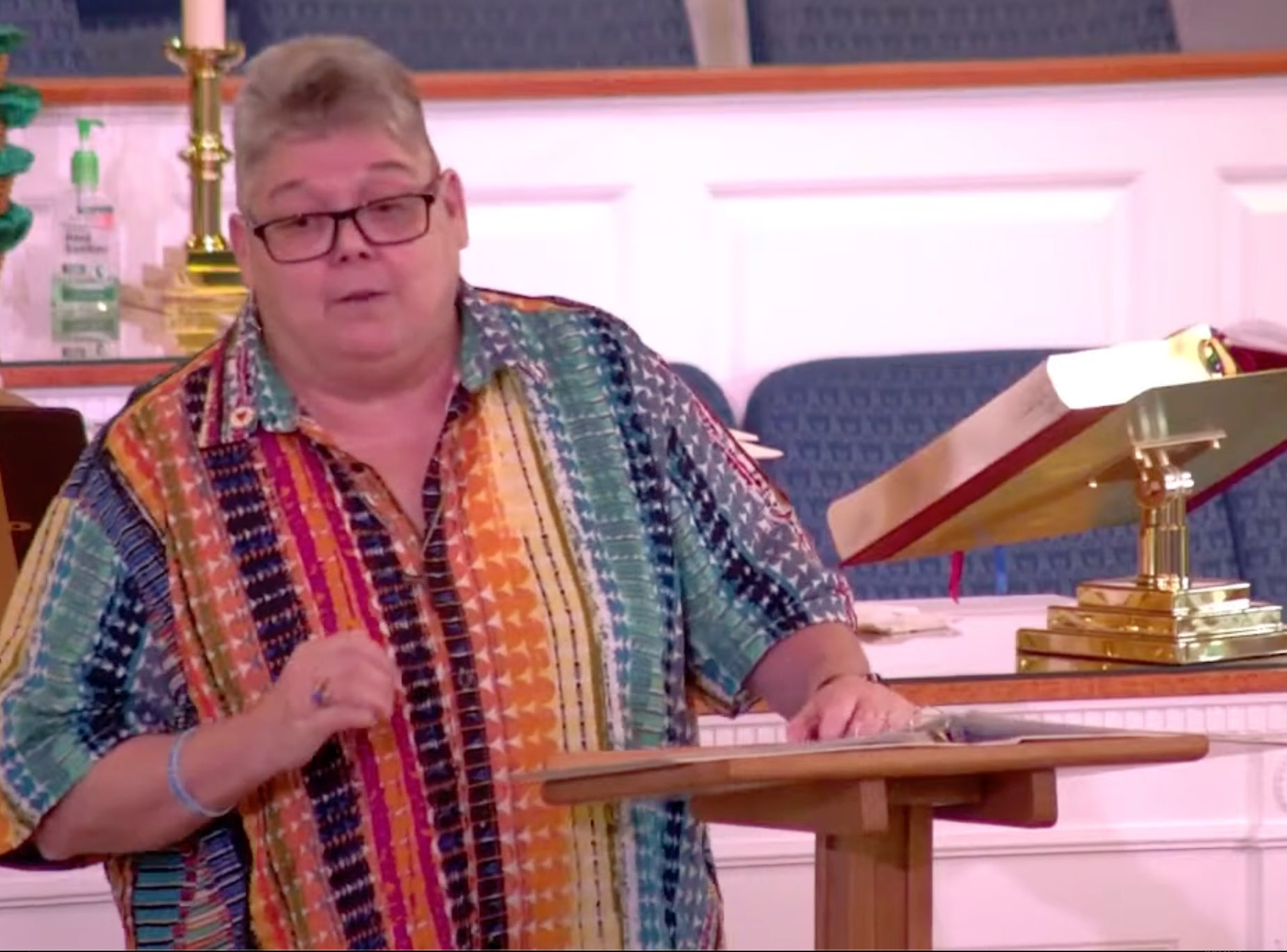
You can see the results of this approach in the stories of our students. For example, Stephanie’s Journey highlights how staying rooted in community leads to a more profound sense of calling. Her experience demonstrates that true formation happens when theory and practice meet in the street.

Leading and Learning Simultaneously
One of the greatest benefits of the decentralized model is the ability to lead while you learn. In a traditional setting, there is often a sharp divide between the "student" phase and the "pastor" phase. ELGS bridges this gap by integrating leadership responsibilities into the curriculum.
Our students are often already serving as lay leaders, deacons, or community organizers. The seminary provides the theological scaffolding to support their existing work. This creates a feedback loop where classroom insights improve ministry, and ministry challenges deepen academic study.
Impact happens in the community today, not after graduation. There is no "waiting period" for a student to start making a difference. This immediate application of knowledge increases retention and ensures that the education is practically useful from day one.
The Ethical Necessity of Debt-Free Education
In the current economic climate, the "Return on Investment" for education is a critical consideration. Many students graduate from traditional seminaries with a level of debt that their future salaries cannot support. This financial strain can lead to burnout and even the abandonment of ministry.
ELGS is committed to providing a debt-free education for those called to serve. By removing the overhead of a centralized campus, we can redirect resources toward student support. We believe that a calling should not be a financial burden that hinders a person’s ability to serve the church.
To graduate without the burden of traditional debt is a revolutionary act in modern higher education. It allows our graduates to accept calls to small or marginalized communities that might not otherwise be able to afford a pastor. This freedom is essential for the future of the global church.
Measuring Impact in Real Time
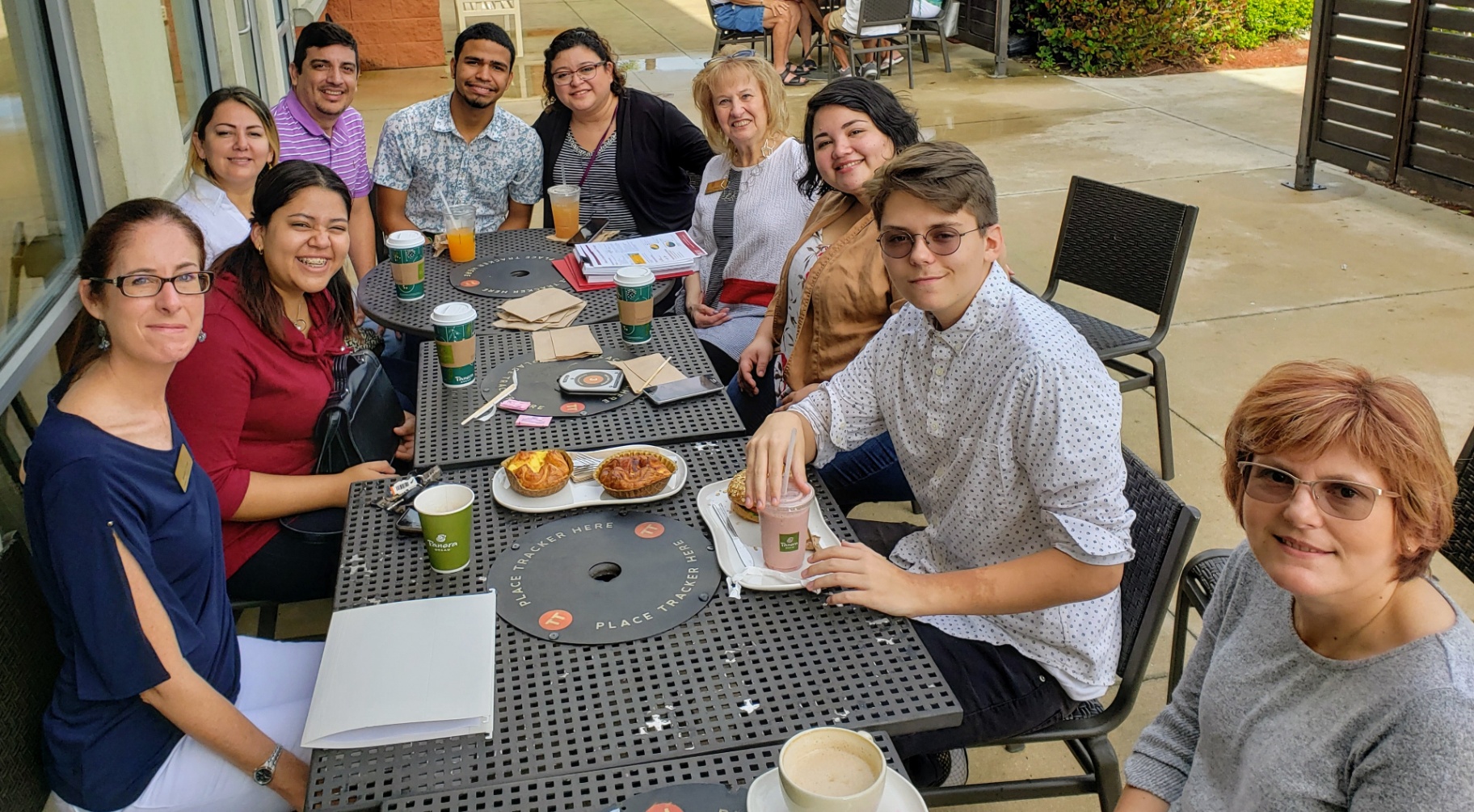
Because our students are already embedded in their communities, we can see the impact of our programs in real time. We do not measure success simply by graduation rates or grade point averages. We measure it by the transformation of the communities where our students serve.
Whether it is a new food pantry, a revitalized youth program, or a deeper sense of spiritual health in a congregation, the evidence is clear. Decentralized education empowers the local church. It turns the entire world into a campus and every student into a catalyst for change.
The stories of students like Beatrice D’Angelo and Linda S. Murphy serve as testaments to this model. They are not just completing credits; they are deepening their impact. Their journeys reflect the core mission of ELGS to equip leaders for a changing world.
Scalability and Operational Resilience
Research into decentralized models shows that they are inherently more resilient than centralized ones. When decision-making is distributed, organizations can adapt more quickly to regional market conditions and customer needs. In a theological sense, this means the seminary can respond to the unique movements of the Spirit in different parts of the world.
A decentralized system avoids the bottlenecks that often plague large institutions. It allows for a diversity of thought and practice that enriches the entire educational community. By valuing local context, we create a global network that is greater than the sum of its parts.
This resilience is vital for the long-term health of religious education. As the world becomes more unpredictable, the ability to train leaders in their own contexts will become increasingly important. ELGS is proud to be at the forefront of this movement.
The Future of Theological Formation
The shift toward decentralization is not just a trend; it is a return to the roots of the early church. The apostles did not gather in a single location to study for years before going out. They learned as they went, teaching and leading in the contexts where they were called.
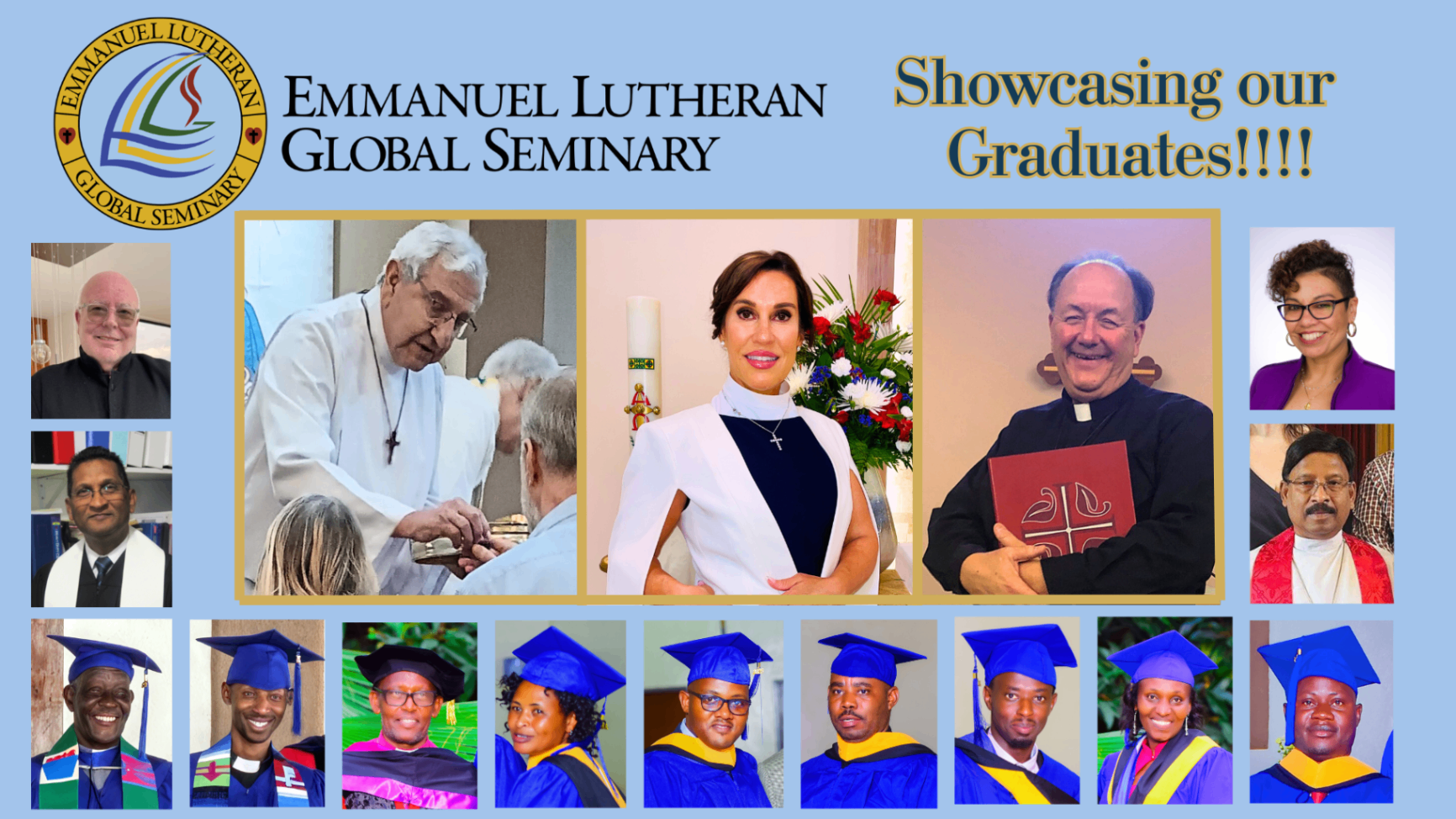
By embracing this model, ELGS is preparing leaders who are prepared for the complexities of the twenty-first century. We invite you to explore our various programs, including the Master of Arts (MA) and the Doctor of Ministry (D.Min.). Each program is designed to honor your context and support your unique calling.
The world does not need more disconnected institutions. It needs leaders who are deeply rooted, academically rigorous, and financially free. It needs a model that values the local community as the most important place on earth.
Conclusion: A Call to Contextual Leadership
The decentralized model of Emmanuel Lutheran Global Seminary represents a significant departure from the status quo. It is a model that trusts the local community and believes in the power of "in-context" learning. It is a model that prioritizes the student over the institution.
As we look toward the future, we remain committed to this vision of decentralized transformation. We will continue to advocate for debt-free education and contextual discipleship. We believe that this is the most faithful way to prepare leaders for the global mission of the church.
If you feel called to deepen your theological understanding while remaining in your community, we invite you to join us. Your context matters, and your leadership is needed now more than ever. Together, we can build a future where education leads directly to impact.
For more information or to discuss your personal discernment and formation plan, please reach out to us via email at Team@ELGS.org. We would be excited to speak with you!
Comments