
From Isolation to Integration: Revitalizing Small and Rural Churches through Contextual Ministry
- team
- 3 hours ago
- 6 min read
The landscape of the American countryside is dotted with steeples that have stood as beacons of hope for generations. Many of these sacred spaces now face significant challenges as populations shift and economic realities change. Revitalizing small and rural churches requires a dedicated leader who understands the unique heartbeat of a local community.
The journey of faith leadership often begins with a profound sense of calling to serve those who feel forgotten. In many rural areas, the church is not merely a building but the primary center for social and spiritual life. When a congregation begins to dwindle, the impact is felt far beyond the pews of the sanctuary.
At Emmanuel Lutheran Global Seminary, we recognize that the future of these congregations depends on leaders who are trained within their own communities. Our competency-based programs ensure that pastoral candidates do not have to leave their flocks to receive a high-quality education. This approach allows for a seamless integration of academic study and practical ministerial application.
The Current State of the Rural Sanctuary
Many faithful servants find themselves leading congregations that struggle with limited resources and aging infrastructure. These leaders often balance multiple professional responsibilities while attempting to shepherd a flock through seasons of transition. The weight of administrative duties can sometimes overshadow the primary mission of spiritual care and community outreach.
A pastor in a small town must be a generalist who can navigate the complexities of local politics and social needs. They are often called upon to be counselors, community organizers, and spiritual guides all at once. This multifaceted life requires a formation process that respects the local context and the individual's existing commitments.
The feeling of isolation can be a significant barrier for those serving in remote geographical locations. Without a supportive network, the flame of ministry can begin to flicker under the pressure of constant demand. However, the path toward revitalizing small and rural churches begins with a shift in perspective from scarcity to abundance.
Pursuing a Path of Transformation and Growth
Transitioning from a state of survival to a season of thriving requires intentionality and a deepening of theological roots. A pastoral leader engaged in our program learns to identify the latent assets within their own neighborhood. They begin to see the community not as a mission field of the past but as a vibrant landscape for future discipleship.
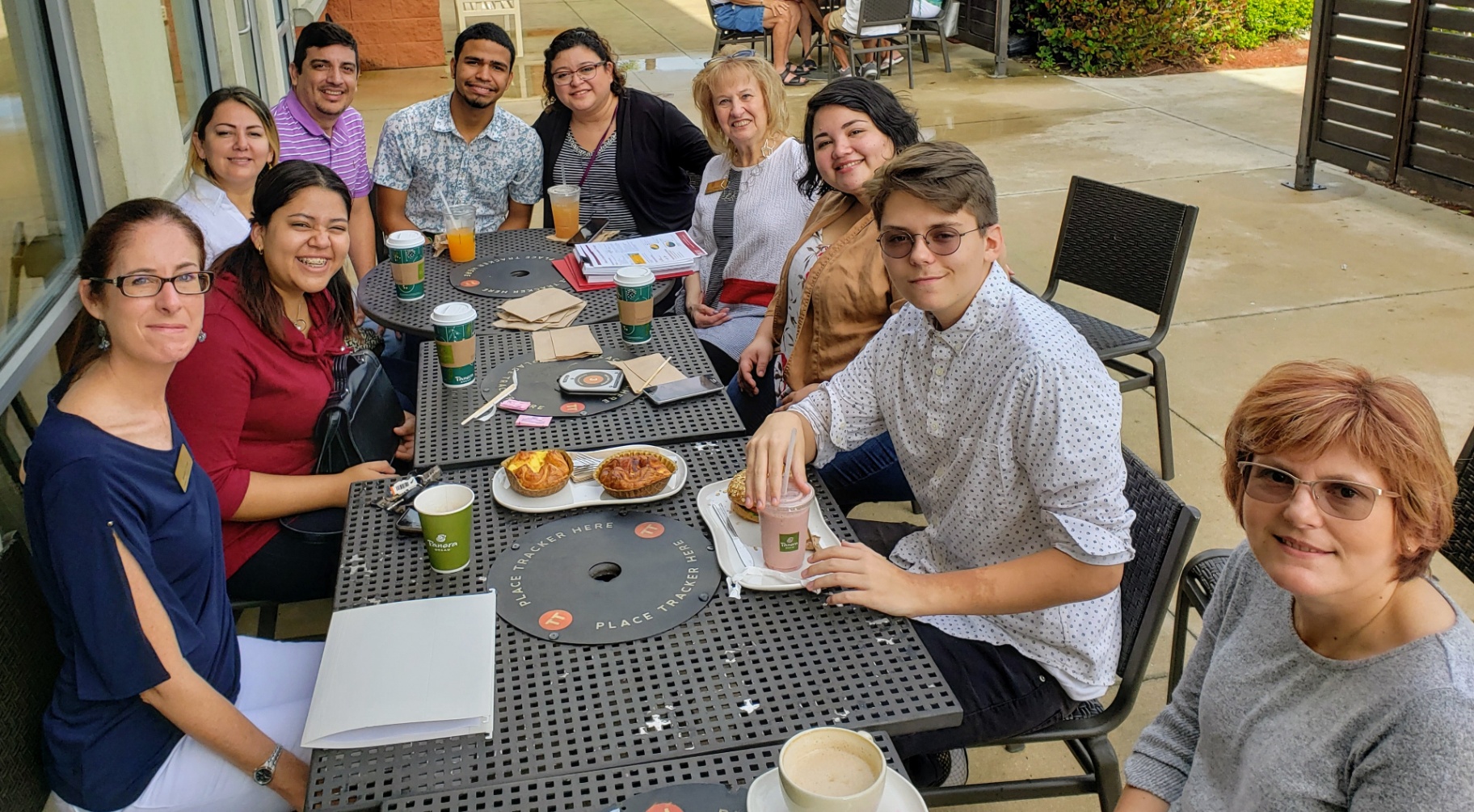
The revitalization process often starts with small, consistent acts of neighborliness and service. By participating in local civic meetings and listening to the concerns of residents, the church becomes a visible agent of change. This active presence demonstrates that the gospel is not just a Sunday event but a daily reality of love.
Our students are encouraged to remain in their contexts while they pursue their degrees and ministerial credentials. This "in-situ" advantage ensures that the learning is immediately applicable to the specific needs of their rural parish. You can learn more about this approach by reading about the in-situ advantage here.
Strategic Leadership in the Context of Community
Revitalizing small and rural churches involves more than just changing a worship schedule or updating a website. It requires a fundamental commitment to the Lutheran theological tradition and its emphasis on grace and service. Leaders must be equipped to handle the theological and practical challenges of a changing religious landscape.
Establishing a Clear Mission: Every congregation must understand why it exists in its specific town at this exact moment.
Equipping Lay Leadership: Sustainability in a small church relies on the gifts and talents of the entire body of Christ.
Fostering External Partnerships: Collaborating with local agencies and other churches multiplies the impact of ministry efforts.
According to research from the Lewis Center for Church Leadership, thriving rural congregations are those that view themselves as essential stakeholders in their towns. They do not wait for people to come to them but instead go out to where the people are. This outward focus is the hallmark of a healthy and growing community of faith.
The ROI of Contextual Theological Education
In the current economic climate, the return on investment for theological education is a primary concern for aspiring pastors. Traditional residential seminary programs often leave graduates with significant financial burdens that limit their ministry options. Many rural churches cannot afford to pay a salary that would allow a pastor to repay large student loans.
ELGS provides a path for you to graduate without the burden of traditional debt. Our affordable and flexible programs are designed to remove financial barriers to ministry education. This ensures that you can focus on your calling rather than your creditors once you are ordained.
By choosing a competency-based model, you are investing in skills that have direct relevance to your current and future ministry. The ability to lead a community through transformation is a high-value skill set in today’s church. This practical focus ensures that your education pays dividends in the form of revitalized lives and a strengthened parish.

Deepening the Roots of Faith and Service
As a pastoral leader continues their formation, they find that their personal spiritual growth is inextricably linked to the health of their church. The discipline of study and the practice of prayer provide the necessary fuel for long-term service. This deepening of faith allows the leader to remain resilient in the face of inevitable challenges.
The theological education provided at our seminary emphasizes the core values of faith in action and love at the core. These principles are especially vital in rural settings where relationships are the primary currency of influence. A pastor who leads with love and serves with excellence will always find a receptive audience.
The journey from a struggling congregation to a vibrant mission outpost is often marked by significant spiritual milestones. These moments of breakthrough serve as reminders that God is at work even in the quietest corners of the world. Each baptism and each service project is a sign of the kingdom of God breaking into the local community.
Moving Toward a Future of Sustainable Ministry
The ultimate goal of revitalizing small and rural churches is to create a sustainable model of ministry that can endure for generations. This involves building a culture of discipleship where every member understands their role in the mission. A church that is healthy on the inside will naturally overflow with life on the outside.
Organizations like the North American Mission Board emphasize the importance of strategic replanting and revitalization. They provide resources that complement the academic and practical training found in our seminary programs. By utilizing these tools, a leader can create a comprehensive plan for congregational renewal.
The future of the rural church is bright when it is led by those who are passionate about their calling and equipped for the task. We invite you to consider how your unique skills and background can be used to transform your community. The transition from sacred gathering to community transformation is a journey worth taking.
Joining the Collective Mission of Global Ministry
As you reflect on the needs of your community, consider how a formal theological education could empower your ministry. The challenges facing rural congregations are significant, but they are not insurmountable with the right training and support. You are invited to join a global network of leaders who are committed to the same mission of service.
The narrative of your ministry is still being written, and each step forward is a step toward a revitalized future. Your dedication to your local context is the very thing that will lead to its transformation. We are here to support you as you navigate the complexities of pastoral leadership and spiritual formation.
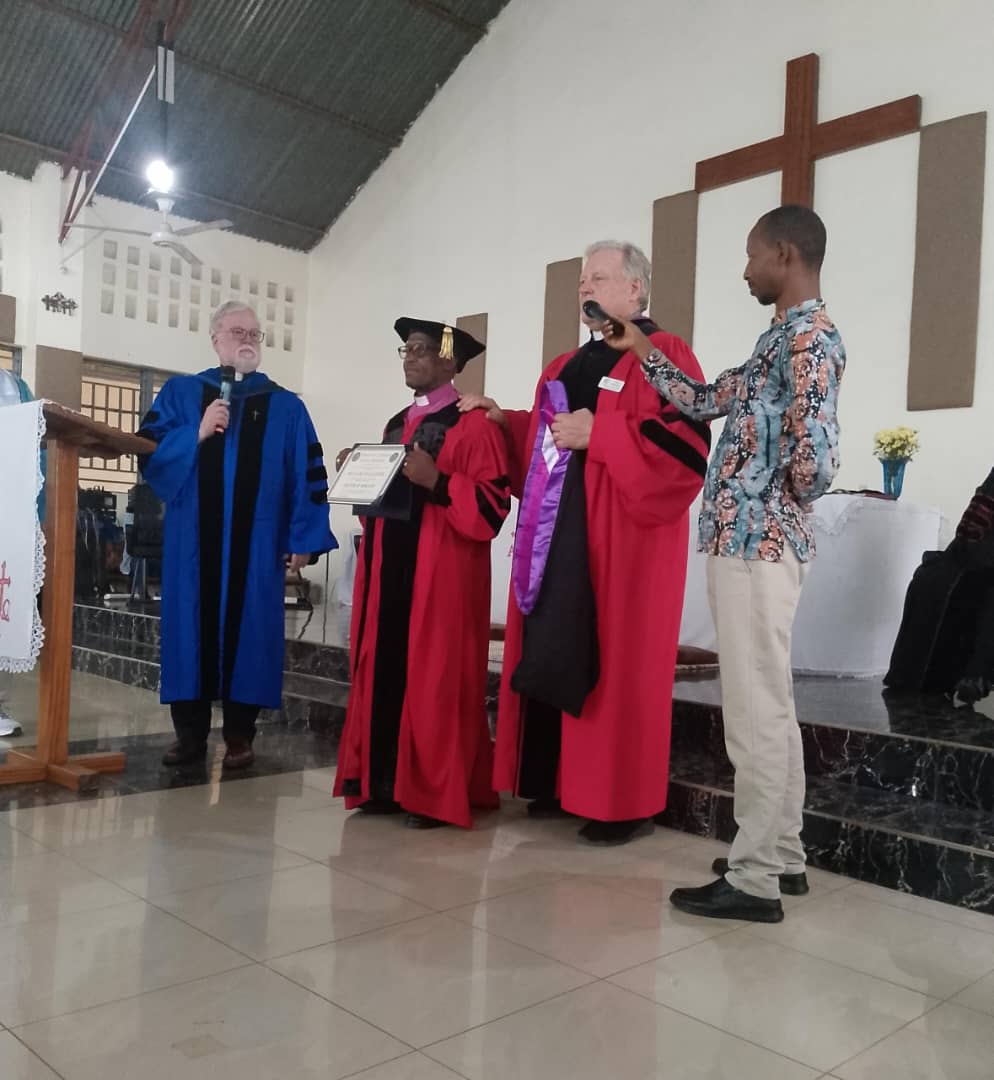
Our commitment to excellence in education ensures that you are prepared for every aspect of ministry. Whether you are preaching a sermon or leading a community board meeting, you will have the wisdom and skills needed to succeed. We believe that every small and rural church has the potential to be a vibrant center of faith and hope.
For more information on how to bridge the gap between your sanctuary and your neighborhood, please explore our post on community transformation. Together, we can work toward a future where every community has a healthy and thriving witness for Christ.
For more information or to discuss your personal discernment and formation plan, please reach out to us via email at Team@ELGS.org. We would be excited to speak with you!
Comments