
From Lay Leader to Pastor: Your Pastoral Ministry Degree
A lay leader may already be preaching, visiting members, teaching Scripture, organizing volunteers, or guiding a ministry team. A pastoral ministry degree can help build on this service, deepen theological understanding, and prepare a Pastoral Candidate for the responsibilities of pastoral leadership. At Emmanuel Lutheran Global Seminary (ELGS), learning takes place in context, connecting theological study with the student’s own congregation and community.
This path does not treat experience as a substitute for formation. Rather, it recognizes that ministry practice offers meaningful ground for learning. The student reflects on what is already strong, identifies areas that need development, and pursues the knowledge and skills needed to serve with greater wisdom and care.
How a pastoral ministry degree builds on lay leadership
Lay ministry can develop important pastoral strengths. A volunteer who supports grieving families may have a foundation in compassionate listening. A congregational leader who coordinates a community project may bring experience in collaboration, planning, and service. Someone who teaches Bible study may already be practicing clear communication and interpretation.
These strengths matter, but pastoral preparation also calls for deeper engagement with Scripture, Christian tradition, worship, ethics, pastoral care, and congregational leadership. A ministry title or years of service alone do not show mastery of every area. Competency-based learning helps make the next steps clear by focusing on what a student can demonstrate and where further learning is needed.
The Association of Theological Schools describes competency-based theological education as a model centered on demonstrated learning and defined outcomes. Its guidelines for competency-based programs emphasize clear expectations and intentional assessment. In practice, this means a Pastoral Candidate engages in learning and shows how that learning informs ministry, rather than relying on experience alone.
Recognizing strengths and identifying what needs to grow
A seminarian’s current ministry can provide useful evidence of learning. A sermon, Bible study plan, pastoral visit reflection, worship service, or community project may reveal abilities as well as questions for further study. Working with mentors, the student can consider how that work connects to program outcomes and what additional learning would support growth.
This is not about judging a person’s faith or worthiness. It is a careful process of formation. Some students may bring a strong foundation in service and relationships while seeking more confidence in biblical interpretation. Others may have leadership experience and want to deepen their understanding of Lutheran theology, pastoral care, or worship.
A practical reflection process can help the student and mentor team discern next steps:
Name current responsibilities. What does the student do in the congregation, and whom does that ministry serve?
Consider evidence of learning. What sermons, plans, reflections, or projects demonstrate developing skills?
Identify strengths and gaps. Which capacities are growing, and which call for more study or practice?
Shape learning in context. What meaningful activity in the congregation could help the student deepen a specific competency?
Reflect and revise. What did the student learn, what feedback was received, and what should happen next?
This process allows learning to respond to the student’s real responsibilities. It also keeps academic expectations in view: experience offers a context for learning, while theological study and demonstrated growth remain essential.
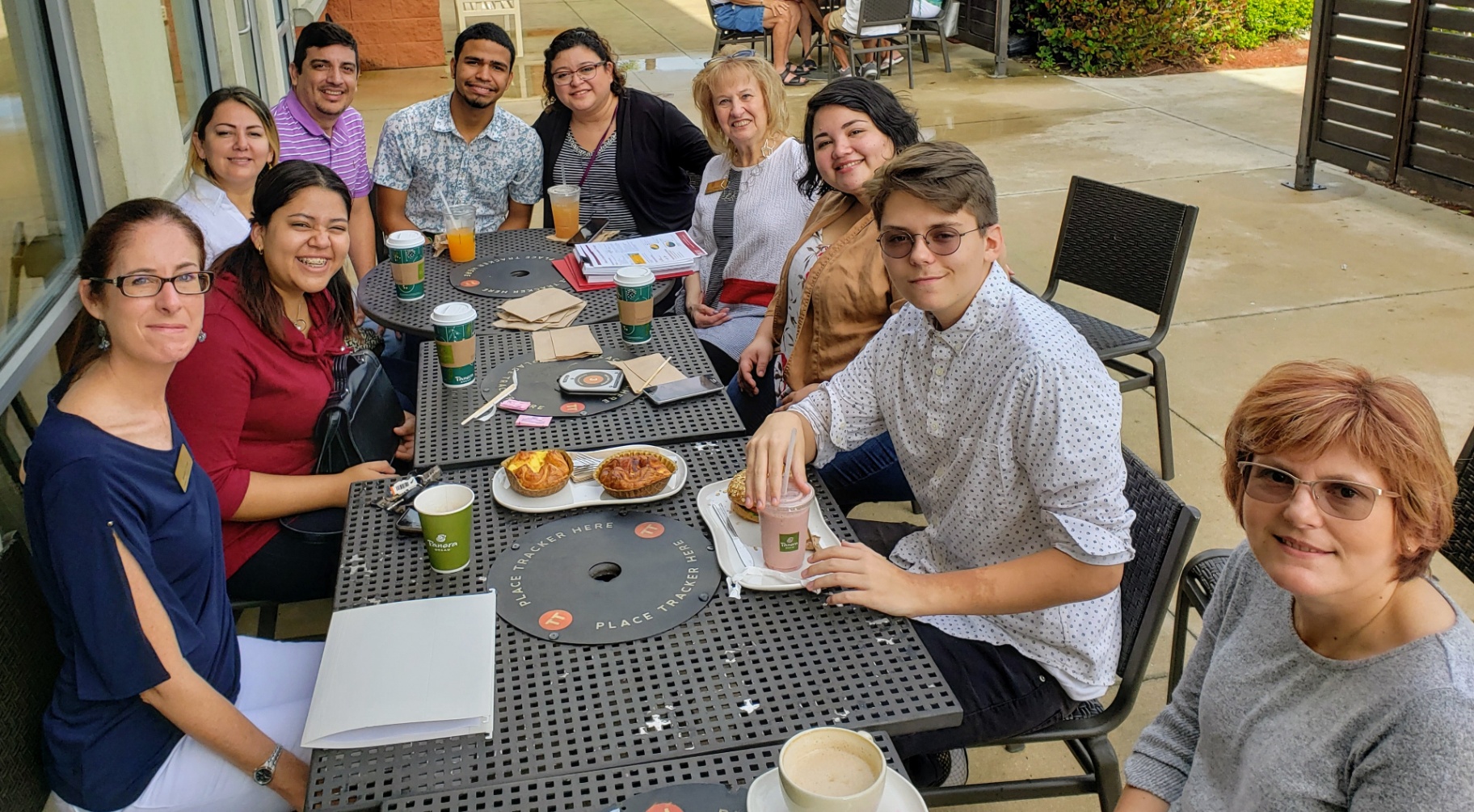
Learning in the congregation, with theological depth
At ELGS, students engage in competency-based learning within their current or desired ministry context. The congregation is not simply where a student volunteers after class; it can be a setting where theological questions arise and practical skills develop. A student serving in a church might connect a learning experience to preaching, congregational care, worship planning, or a community initiative.
The ELGS Master of Divinity program focuses on formation, biblical study, vocational discernment, theological reflection, and integrated practice. Its stated outcomes include biblical exegesis, Christian tradition, theology and worship, Christian ethics, collaboration and care, and integration in community. Learning in context brings these areas into conversation with the needs and relationships of a student’s congregation.
A student developing a community food program, for example, might reflect on the biblical and theological commitments shaping that service. The student can consider how the congregation listens to neighbors, collaborates with local partners, and practices care with dignity. In this way, ministry activity becomes an opportunity for both service and disciplined theological reflection.
Students are not expected to pursue this work alone. ELGS describes a mentor team that includes faculty, vocational, and personal mentors. Regular guidance and reflection can help a student recognize where existing strengths are serving the church well and where deeper preparation would strengthen future pastoral leadership.
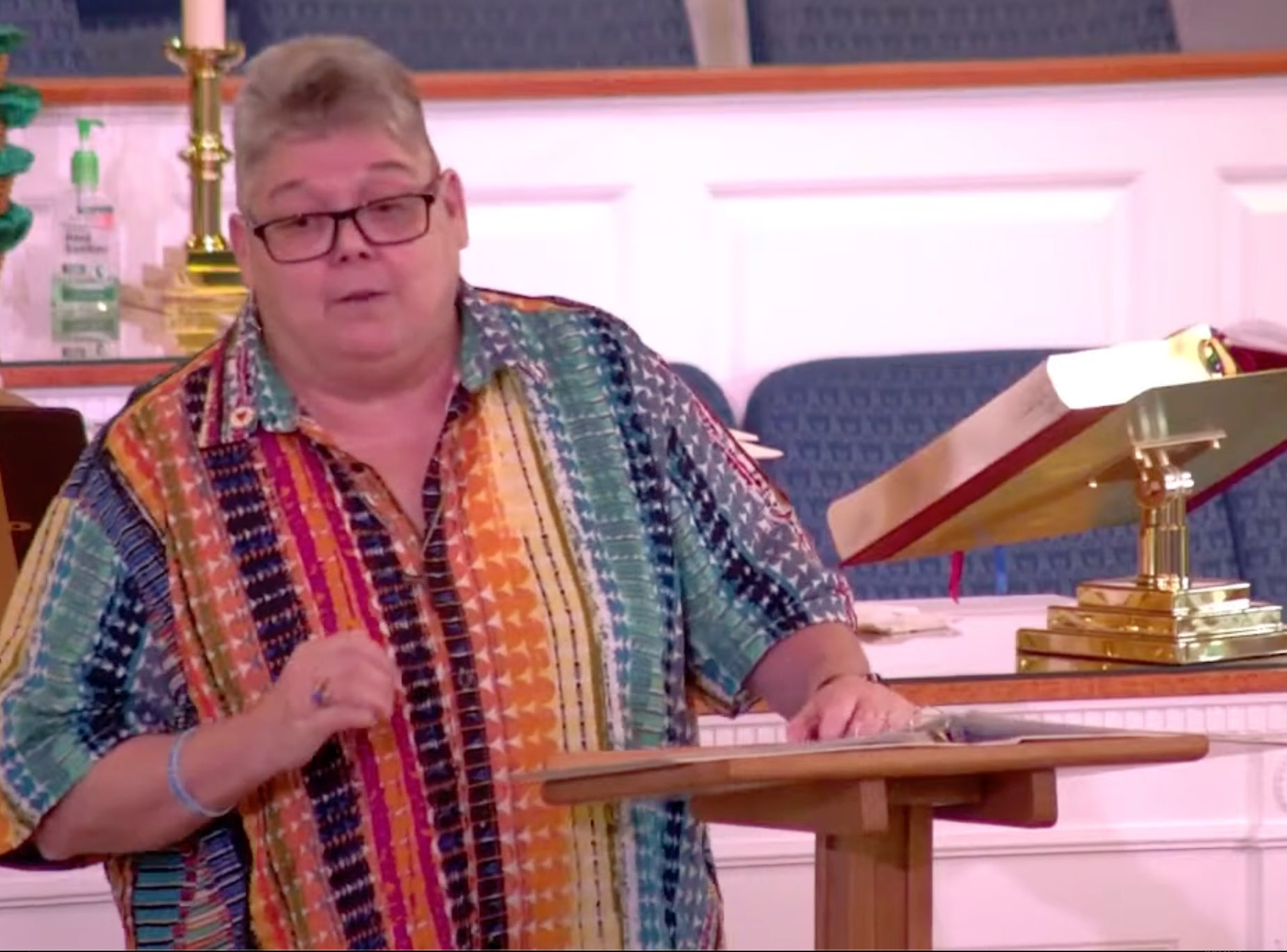
From lay service to pastoral formation
The movement from lay leadership toward pastoral ministry is not only a change in title. It is a deepening of responsibility, theological understanding, and care for the people entrusted to a leader. A pastoral candidate engages in ongoing discernment while developing the ability to proclaim the Gospel, guide worship, accompany people through difficult seasons, and lead a congregation in service.
That discernment is communal as well as personal. The ELCA candidacy process describes preparation for ministry as a journey involving the candidate, faith community, mentors, and church. For Lutheran leaders, this reflects the understanding that vocation is lived in service to the neighbor and tested in relationship with the wider church.
ELGS students can explore a Bachelor of Arts in Christian Thought and Practice or a Master of Divinity, depending on their educational background and goals. The seminary’s degree programs connect theological study with practical ministry experience. The right route depends on the individual’s preparation, discernment, and intended service.
A lay leader’s existing work may therefore become part of a chronological path of growth: serving in a congregation, reflecting on that service with mentors, strengthening theological foundations, and taking on new responsibilities with care. The aim is not to rush the process, but to prepare well for the work ahead.
An affordable path with meaningful return
For working adults and family caregivers, the cost and structure of seminary education are central considerations. ELGS presents a flexible model that allows students to continue serving in their communities while pursuing theological education. Learning in context can reduce the need to step away from current responsibilities or relocate for study, though each student’s circumstances and total education costs will differ.
ELGS lists Master of Divinity tuition at $300 per month. Prospective students should review current details and ask about their own expected costs, available aid, and timeline. The seminary also shares scholarship opportunities for students exploring ways to make theological education more accessible.
The return on investment includes more than a credential. A student develops skills that can strengthen congregational service while continuing to contribute to the community where that learning takes place. An affordable approach can also support the goal of graduating without the burden of traditional debt, although outcomes depend on individual circumstances and financing choices. ELGS has also written about financial freedom and vocational service.
A next step in faithful service
A calling to pastoral ministry often grows through ordinary acts of faithfulness: listening, teaching, serving, and walking alongside others. A competency-based pastoral ministry degree can honor that experience while helping a seminarian strengthen areas of need through structured theological learning in the congregation. The result is a formation journey that brings practice, study, and spiritual discernment together.
For readers who are discerning their next step, ELGS offers further reflection on the path from discernment to pastoral ministry. The broader mission is to prepare faithful leaders who serve with wisdom, humility, and love, and who help congregations participate in God’s work in the world.
For more information or to discuss your personal discernment and formation plan, please reach out to us via email at Team@ELGS.org. We would be excited to speak with you!
Comments