
From Lay Servant to Ordained Leader: The Journey through In-Situ Pastoral Formation
The landscape of theological education is undergoing a profound transformation as more students seek pathways that honor their local ministry commitments. Many aspiring leaders find themselves caught between a deep spiritual calling and the logistical barriers of traditional residential programs. The emergence of in-situ pastoral formation offers a revolutionary solution that bridges the gap between academic theory and practical ministry. This model allows a candidate to remain embedded in their local community while pursuing rigorous, accredited theological training.
By focusing on learning within the actual context of a congregation, students can immediately apply theological concepts to real-world challenges. This educational pedagogy ensures that the development of a pastoral heart is not a detached intellectual exercise. Instead, it becomes a living witness to the power of the Gospel in action. Prospective students are now able to pursue their vocation without the need to relocate or abandon their existing responsibilities.
One of the most significant advantages of this approach is the focus on financial stewardship and the return on investment for the student. Traditional seminary education often requires significant financial sacrifice, frequently resulting in substantial student loan debt. Candidates at Emmanuel Lutheran Global Seminary are encouraged to graduate without the burden of traditional debt. This commitment to affordability ensures that a new leader can enter the ministry with financial freedom.
Defining the Path of In-Situ Pastoral Formation
The concept of in-situ pastoral formation refers to a learning model where the primary site of education is the student’s own ministry setting. Rather than moving to a distant campus, the student engages in deep theological study while serving their local church. This approach recognizes that the most effective preparation for ministry occurs where people live, work, and pray. It is a model that values the unique cultural and social nuances of each individual community.
In this framework, the local congregation serves as a primary classroom for the aspiring leader. The student is not merely a passive recipient of information but is an active participant in the life of the church. They engage in preaching, teaching, and pastoral care under the guidance of experienced mentors. This integration of study and practice fosters a holistic development that is both academically rigorous and practically relevant.
Competency-based learning is the cornerstone of this educational strategy. Progress is measured by the ability of the candidate to demonstrate specific ministerial skills rather than the number of hours spent in a seat. This ensures that every graduate is fully equipped to lead, train, and transform their community. You can learn more about our commitment to excellence by visiting our homepage.

The Financial Freedom of Contextual Learning
A primary concern for many modern seminary students is the rising cost of higher education. Many graduates find that their ministerial salaries are not sufficient to manage high levels of student debt. The in-situ pastoral formation model addresses this crisis by eliminating the costs associated with relocation and residential living. This allows students to maintain their current employment while they prepare for their future roles.
By leveraging the resources of the local church and the seminary, students can achieve a debt-free education. This return on investment is a critical factor for those discerning a call in 2026. Financial peace allows a pastor to focus entirely on the needs of their congregation. High-impact ministry is more sustainable when the leader is not distracted by financial stress.
The Department of Education provides resources that highlight the long-term impact of student loans on career flexibility. We believe that the church is better served by leaders who are financially healthy. Our programs are designed to be accessible to everyone, regardless of their economic background. This commitment to affordability is a central part of our mission to equip global leaders.
Strengthening the Local Congregation through Service
When a student engages in in-situ pastoral formation, the local church receives an immediate benefit. The candidate brings fresh theological insights and renewed passion directly into the pulpit and the classroom. This creates a symbiotic relationship where the student grows and the congregation is revitalized. The learning process becomes a shared journey for the entire faith community.
Members of the congregation witness the transformation of their leader in real time. They participate in the formation process by providing feedback and encouragement to the student. This level of engagement fosters a sense of ownership and pride within the church. It demonstrates that theological education is not just for the individual but is for the sake of the whole Body of Christ.
Practical ministry skills are refined through consistent practice in a familiar environment. A student might lead a worship service one day and facilitate a community outreach program the next. This variety of experience is essential for developing a well-rounded pastoral identity. For more examples of how our students are impacting their communities, please explore our blog archives.

Mentorship and the Development of a Shepherd's Heart
A crucial component of in-situ pastoral formation is the relationship between the student and their local mentor. This mentor is often an experienced pastor who provides guidance, accountability, and spiritual support. They help the student navigate the complexities of congregational life and leadership. This personal connection ensures that the candidate is never alone in their journey.
Mentorship allows for the transmission of practical wisdom that cannot be found in textbooks. The student learns how to handle difficult pastoral situations with grace and integrity. They observe firsthand how a seasoned leader manages the delicate balance of administration and spiritual care. This apprenticeship model is deeply rooted in the history of the church and remains effective today.
The Association of Theological Schools emphasizes the importance of practical experience in the formation of religious leaders. By prioritizing mentorship, we ensure that our students develop the character and resilience needed for long-term ministry. This focus on personal growth is what distinguishes a competent leader from a truly transformational one. The goal is to produce shepherds who are deeply committed to the well-being of their flocks.

Achieving a Global Vision through Local Action
While the learning happens locally, the impact of in-situ pastoral formation is truly global. Students are part of a larger network of learners who share a common commitment to the Lutheran tradition. They exchange ideas and experiences with peers from diverse backgrounds and cultures. This global perspective enriches the local ministry and broadens the student’s understanding of the world.
The ability to serve as a bridge between the local and the global is a vital skill for modern leaders. It allows them to lead their congregations in participating in the broader mission of the church. This inclusive approach ensures that the Gospel is proclaimed in a way that is relevant to a changing world. We are proud to support a diverse body of students who are dedicated to this vision.
As students move from their current roles into positions of ordained leadership, they carry with them a deep sense of purpose. Their formation has been grounded in the realities of daily life and the needs of their neighbors. They are prepared to lead with a spirit of humility and a heart full of love. This is the ultimate goal of our educational mission.
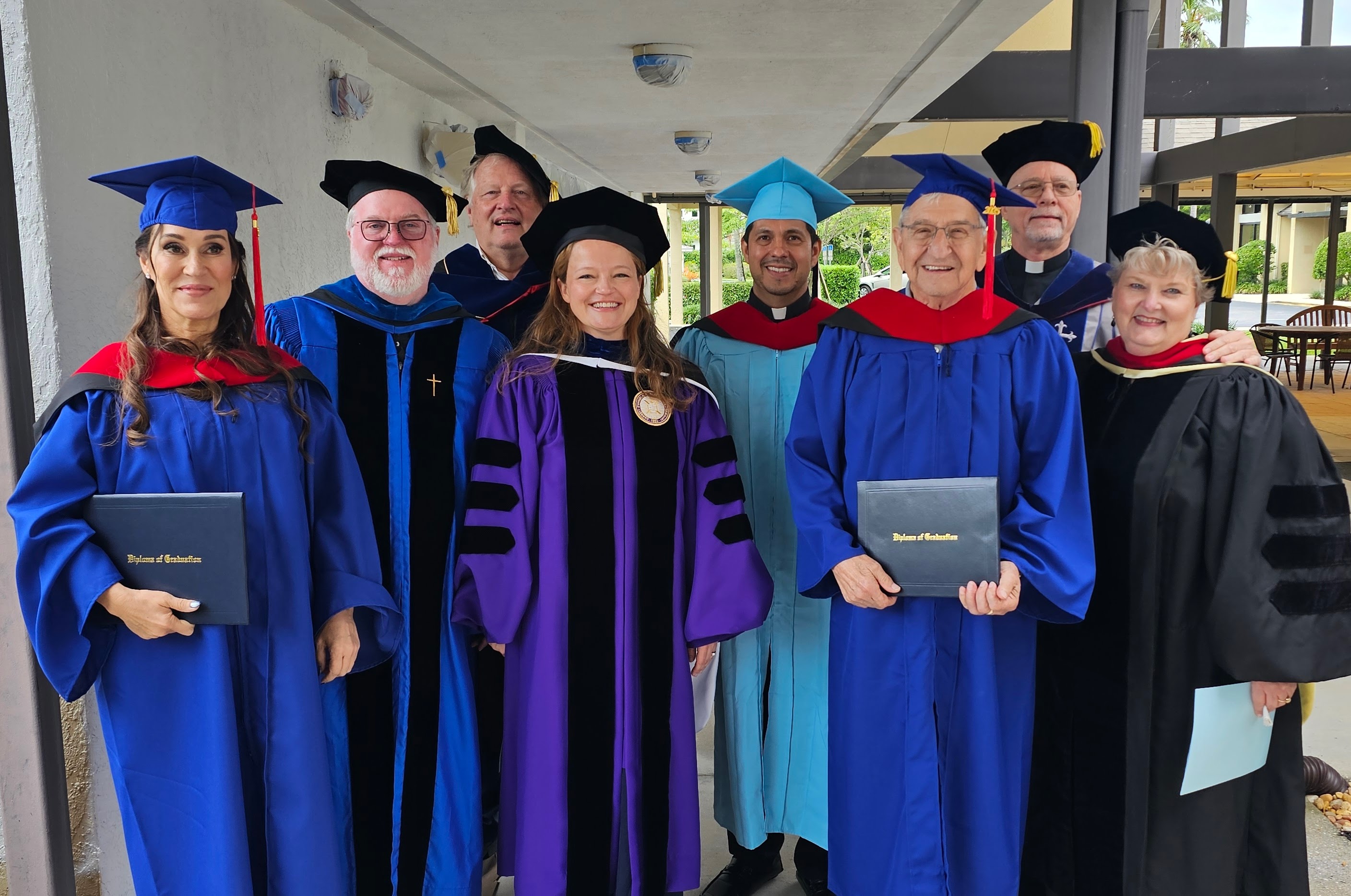
A Call to Collective Transformation
The journey through in-situ pastoral formation is a testament to the power of faith and dedication. It is a path that requires courage, discipline, and a willingness to grow. We invite all those who feel a calling to ministry to consider this transformative educational model. Together, we can build a stronger, more vibrant church that is equipped to meet the challenges of the future.
Your ministry does not have to wait until you have completed a traditional degree program. You can begin to make a difference in your community today. We are here to support you as you discern your calling and pursue your educational goals. Let us work together to bring hope and healing to a world in need.
For more information or to discuss your personal discernment and formation plan, please reach out to us via email at Team@ELGS.org. We would be excited to speak with you!
Comments