
From Marketplace Professional to Parish Leader: Thriving in the Sacred and Secular
The landscape of modern ministry is undergoing a profound transformation as more individuals embrace the calling of bi-vocational leadership. For many, the journey involves a transition from being a dedicated marketplace professional to becoming a faithful parish leader. This dual identity allows individuals to remain rooted in their local communities while reaching toward a higher calling of service.
As prospective students consider pursuing a pastoral ministry degree, the primary focus often shifts toward the tangible return on investment. In the current economic climate, the value of a degree is measured not only by academic prestige but also by financial sustainability. At Emmanuel Lutheran Global Seminary, we emphasize the importance of achieving a debt-free education to ensure that ministry remains a joy rather than a burden.
When you choose a pathway that prioritizes fiscal responsibility, you are empowered to serve in diverse settings without the weight of financial strain. You can graduate without the burden of traditional debt, allowing you to accept calls based on spiritual need rather than salary requirements. This approach to flexible ministry education ensures that your transition from secular work to sacred leadership is both smooth and sustainable.
The Sacred Significance of Bi-Vocational Ministry
Bi-vocational ministry is not a new phenomenon, but it is gaining renewed recognition as a vibrant model for the twenty-first-century church. According to research from LifeWay Research, bi-vocational pastors often find that their secular employment provides unique opportunities for evangelism and community engagement. By working alongside neighbors in various industries, leaders can bridge the gap between the sanctuary and the street.
The "Rooted and Reaching" theme encapsulates this reality perfectly. A leader who is rooted in a professional career understands the daily challenges, joys, and ethical dilemmas faced by their congregation. This shared experience creates a deep sense of empathy and authenticity in preaching and pastoral care.
Furthermore, the skills acquired in the marketplace, such as project management, financial oversight, and conflict resolution, are invaluable in a congregational context. These secular competencies translate directly into effective church administration and leadership. When these skills are combined with formal theological training, the result is a well-rounded and resilient pastoral leader.

Navigating Flexible Ministry Education for Working Adults
Traditional residential seminary models often require students to relocate and abandon their current employment, which can lead to significant financial loss and debt. Our institution recognizes that working adults require a different approach, one that honors their current commitments while facilitating growth. We provide a flexible ministry education that is designed to be completed "in context," meaning your local church and community serve as your primary classroom.
This "in-context" pedagogy ensures that students do not have to choose between their career and their calling. You can continue to excel in your current profession while simultaneously engaging in rigorous theological study. This model fosters a constant dialogue between theory and practice, as you apply your learning immediately to your local ministry setting.
By remaining in your current environment, you also maintain the social and professional networks that support your bi-vocational identity. You are not isolated in an ivory tower; instead, you are deeply embedded in the very community you are called to serve. This integration of life, work, and study is the hallmark of a modern pastoral ministry degree.

Achieving a High Return on Investment Through Debt-Free Education
The concept of "Return on Investment" in theological education is often overlooked, yet it is vital for long-term ministerial health. When a student incurs massive debt to enter a field known for modest salaries, the resulting stress can lead to premature burnout. We believe that a debt-free education is the most ethical and practical path forward for the global church.
By utilizing competency-based learning and removing unnecessary overhead costs, we are able to provide high-quality education at a fraction of the traditional price. This allows our students to invest their resources back into their families, their secular businesses, and their local ministries. You are invited to explore our commitment to accessibility through projects like our Doctor of Philosophy (PhD) program, which maintains high academic standards without prohibitive costs.
When you graduate without the burden of traditional debt, you gain a level of freedom that few pastors experience today. You can minister with a "freedom of the pulpit," knowing that your financial security is not entirely dependent on the church budget. This financial stewardship is a core component of being a faithful and effective leader in any context.
Competency-Based Learning: From Theory to Transformation
Our curriculum focuses on competency-based learning, which prioritizes the development of practical ministerial skills. Rather than simply accumulating credit hours, students demonstrate their proficiency in areas such as preaching, teaching, and pastoral counseling. This ensures that every graduate is fully equipped to meet the actual needs of their congregation.
This practical focus is especially beneficial for bi-vocational leaders who must maximize their limited time. By focusing on what you actually need to do in ministry, the education becomes more relevant and immediately impactful. We encourage students to engage with resources such as Eighth Day Discipleship to deepen their understanding of how faith intersects with daily work.
The transition from student to practitioner is seamless because you are already practicing your craft. Every assignment is an opportunity to improve the life of your local church. This approach honors the Lutheran tradition of the "priesthood of all believers" by empowering leaders to serve effectively in every sphere of influence.

The Global Impact of Locally Rooted Leaders
The shift toward bi-vocational ministry is a global phenomenon, as noted by the Pew Research Center. In many parts of the world, pastors have always worked secular jobs to support their ministry and their families. This model is not a sign of weakness; rather, it is a sign of apostolic resilience and missionary zeal.
As you pursue your pastoral ministry degree, you are joining a global community of leaders who are committed to transforming their neighborhoods through faith. Whether you are in a bustling city or a rural village, your presence as a worker and a worshiper is a powerful testimony. You are demonstrating that the Gospel is relevant to every aspect of human life.
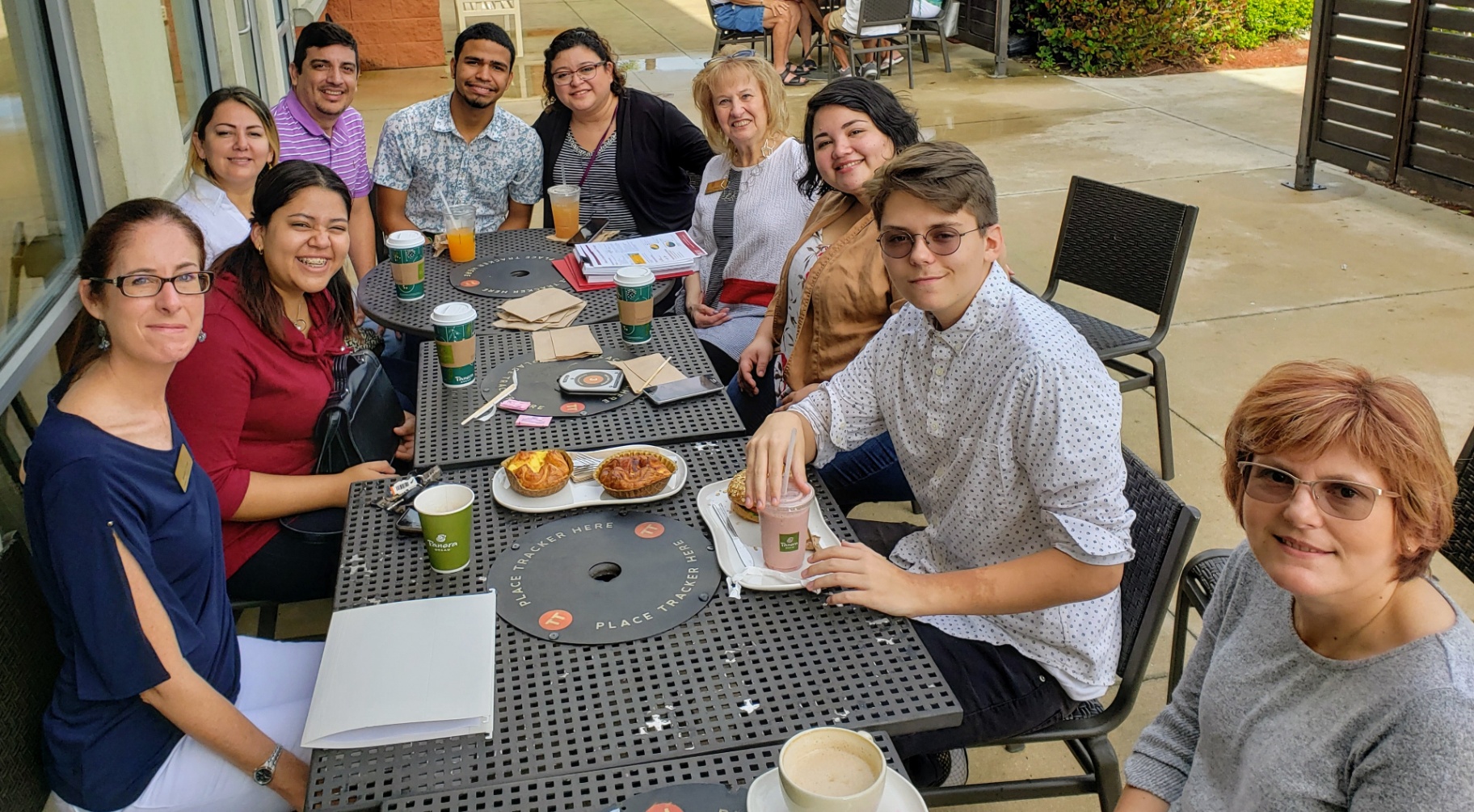
Our students and faculty gather from all corners of the globe to share their experiences and support one another in this journey. This diverse community provides a rich tapestry of perspectives that enhances the educational experience for everyone involved. Through mutual encouragement and shared learning, we are building a more robust and responsive church.
Conclusion: A Collective Mission for a Changing World
The journey from being a marketplace professional to a parish leader is a sacred transition that requires both courage and commitment. By embracing the bi-vocational blessing, you are positioning yourself to be a leader who is both rooted in reality and reaching for the Kingdom. This dual focus is the key to thriving in the complex landscape of the twenty-first century.
We invite you to consider how a flexible ministry education can help you fulfill your unique calling without compromising your financial future. Together, we can work toward a mission where every community has access to high-quality, faithful leadership. Your journey of transformation begins with a single step toward a pastoral ministry degree that honors your context and your calling.
For more information or to discuss your personal discernment and formation plan, please reach out to us via email at Team@ELGS.org. We would be excited to speak with you!
Comments