
From Seminary to Street: Pastoral Ministry Degree Impact
- team
- 2 days ago
- 6 min read
Turning Theology Into Community Impact
Series: Faith in Action: The Pastor as Community Transformer Publish date: August 17, 2026, at 9:00 AM ET Meta description: See how a pastoral ministry degree turns theological study into practical community service, stronger congregations, and debt-conscious ministry leadership. URL slug:/post/pastoral-ministry-degree-community-impact
A pastoral ministry degree is more than an academic credential. It is a disciplined path of formation that prepares a person to preach the Gospel, care for neighbors, lead congregations, and respond faithfully to the needs of a community. When theological study is connected to real ministry settings, learning moves from the seminary to the street, where faith becomes visible through service.
At Emmanuel Lutheran Global Seminary, students pursue theological education while remaining engaged in the places where God has already placed them. Their churches, workplaces, families, and neighborhoods become important settings for reflection and practice. This approach helps future pastoral leaders connect biblical knowledge with compassionate action and responsible leadership.
From Theological Study to Faith in Action
Theology gives ministry its foundation. Through biblical study, Christian ethics, church history, Lutheran theology, and spiritual formation, students deepen their understanding of God’s work in the world. This foundation helps a pastor speak with clarity when a congregation faces grief, conflict, poverty, cultural division, or uncertainty.
A strong pastoral ministry degree also develops practical competencies. Students learn to interpret Scripture, proclaim the Gospel, lead worship, provide pastoral care, teach Christian doctrine, and collaborate with others. These skills are not separate from community service. They shape how a leader listens, makes decisions, organizes ministries, and serves with humility.
The Evangelical Lutheran Church in America describes faith as a living trust in God that frees people to love and serve their neighbors. Its overview of Lutheran faith and service shows how Christian formation leads naturally toward compassion, justice, and community engagement. For pastoral leaders, this connection between grace and service is central to faithful ministry.
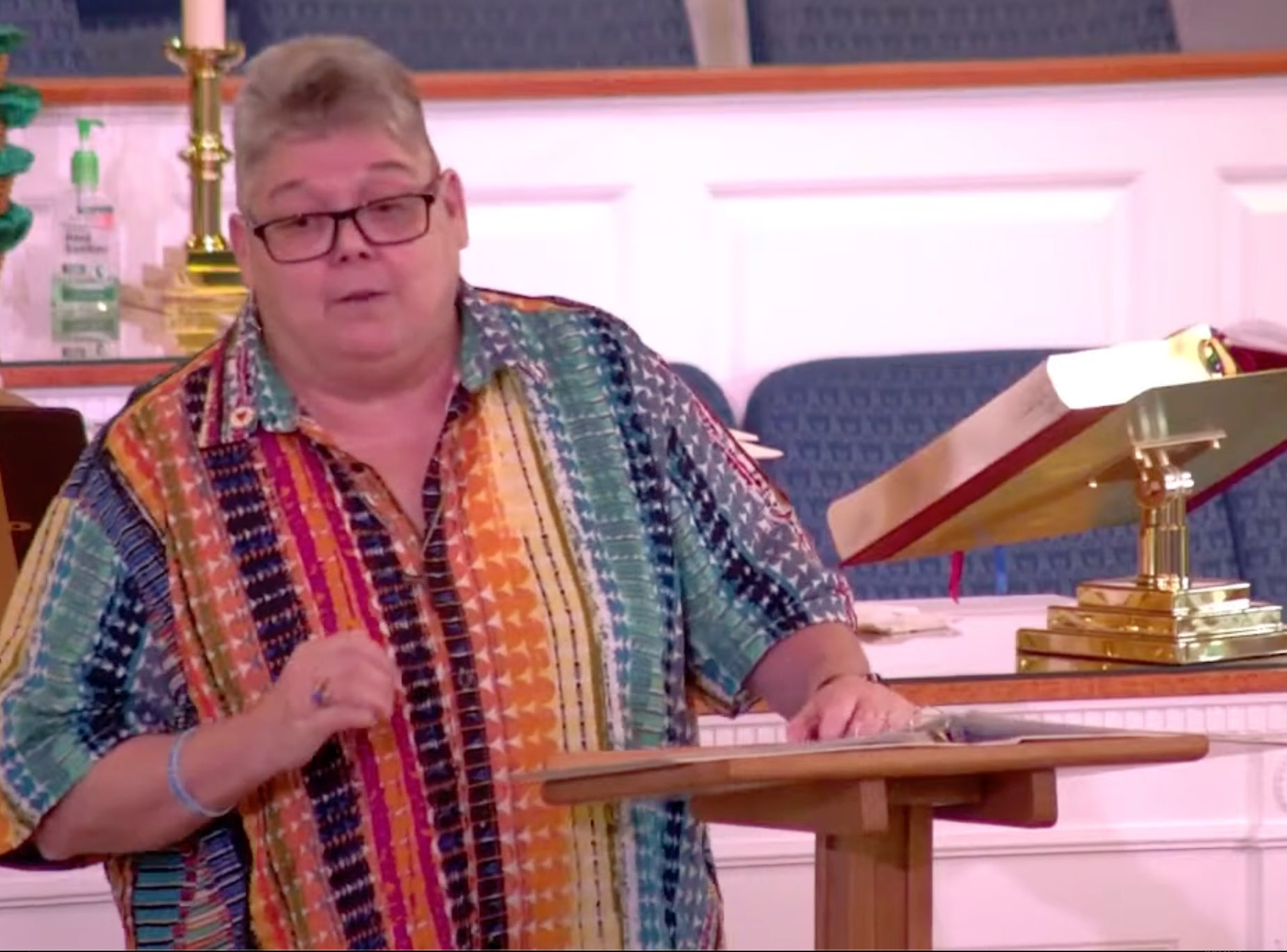
What a Pastoral Ministry Degree Should Equip Leaders to Do
A useful ministry education should prepare students for the actual responsibilities of pastoral leadership. It should combine academic rigor with repeated opportunities to demonstrate practical skill.
A well-designed program should help students:
Interpret Scripture responsibly and communicate its meaning in ways that address real human concerns.
Lead worship and preach with theological depth, pastoral sensitivity, and awareness of the local congregation.
Provide pastoral care to people experiencing illness, grief, trauma, family strain, or spiritual questions.
Build collaborative ministries with congregational members, community partners, and other church leaders.
Respond to local needs through organized service, advocacy, education, and outreach.
Reflect on ministry practice so that each experience contributes to continued growth and discernment.
These competencies prepare graduates to serve beyond the walls of the sanctuary. A pastor may use biblical interpretation while leading a community Bible study, pastoral care while supporting a grief group, and administrative skills while organizing a food pantry or job-training ministry.
The Association of Theological Schools provides a useful accreditation and theological education resource for people comparing seminaries and ministry programs. Prospective students should examine whether a program offers clear outcomes, qualified faculty, strong mentoring, and meaningful connections between study and service.
Learning in the Community You Are Called to Serve
Many aspiring ministers already carry significant responsibilities. They may be working full time, raising children, leading a congregation, serving as a lay minister, or caring for aging parents. Leaving these responsibilities to pursue a traditional residential program is not possible for every student.
Emmanuel Lutheran Global Seminary offers competency-based theological education with learning done in context, including at local churches and within active ministry settings. Students can connect assignments, projects, and demonstrations of learning to the work they are already doing or preparing to do.
The Master of Divinity program reflects this model through formation, biblical study, vocational discernment, theological reflection, and integrated practice. Students work with mentors to shape learning experiences around their ministry context, whether they are developing a youth program, leading worship, teaching, caring for members, or building a new community partnership.
The Bachelor of Arts in Christian Thought and Practice offers a similar foundation for students who are beginning formal theological education or seeking further preparation for Christian service. Its emphasis on formation, reflection, and contextual projects helps students connect academic work with their vocation and daily responsibilities.

Four Ways Theology Creates Community Impact
A pastoral leader does not transform a community through good intentions alone. Faithful impact requires listening, planning, partnership, and sustained service. A pastoral ministry degree can help provide the wisdom and skills needed for each step.
1. Listening Before Leading
Community ministry begins with careful attention. Pastors should listen to residents, congregational members, civic leaders, educators, and people who are often overlooked. Listening helps a church understand whether its neighborhood needs food assistance, youth mentoring, immigration support, transportation, grief care, or other forms of practical service.
This work also requires cultural humility. A pastor must recognize that local residents understand their own circumstances best. The leader’s task is not to arrive with a complete solution but to help the church discern a faithful response with the community.
2. Connecting Scripture to Local Needs
Preaching and teaching should speak to the real conditions of people’s lives. A sermon may address forgiveness after family conflict, hope amid unemployment, reconciliation after racial division, or Christian responsibility toward creation. Biblical proclamation becomes stronger when it is grounded in the questions and struggles of the people who hear it.
This does not mean reducing theology to social commentary. It means applying the whole counsel of Scripture with care, showing how the Gospel shapes both personal discipleship and public responsibility. The pastor helps the congregation see that worship and service belong together.
3. Building Partnerships
Most congregations cannot address complex needs by themselves. Effective pastoral leadership includes the ability to work with schools, nonprofit organizations, health providers, shelters, civic groups, and other churches. Partnerships allow congregations to serve with greater wisdom and avoid duplicating work that others already do well.
The Lutheran World Federation’s work in humanitarian development, justice, peace, and church mission offers a global example of how theological commitments can be expressed through practical action. Its work reminds local leaders that community ministry includes both immediate care and long-term efforts toward dignity, reconciliation, and justice.
4. Measuring Faithful Progress
Community impact should be evaluated with honesty and patience. Leaders can ask how many people are being served, whether relationships are becoming stronger, whether participants are gaining stability, and whether the ministry reflects the congregation’s theological commitments.
Measurement does not replace prayer or dependence on the Holy Spirit. It helps a congregation become a better steward of its time, money, volunteers, and opportunities. A ministry that reflects, learns, and adapts is more likely to serve its neighbors well over time.
The Return on Investment of Ministry Education
Prospective students are rightly concerned about the financial cost of higher education. A ministry calling should not require a person to accept unsustainable debt before beginning service. The return on investment of a pastoral ministry degree includes academic preparation, spiritual formation, leadership development, and the ability to serve with greater confidence and competence.
Emmanuel Lutheran Global Seminary is committed to flexible and affordable theological education. Because learning is connected to existing ministry and vocational contexts, students may be able to continue working and serving while they pursue their educational goals. This can reduce the disruption and relocation costs associated with traditional models.
Graduate without the burden of traditional debt whenever possible, and enter ministry with greater freedom to serve where the need is greatest. Financial health supports long-term pastoral sustainability, family stability, and wise stewardship. It also allows leaders to consider ministry opportunities based on calling and community need rather than debt repayment alone.
For additional perspective, read From Financial Burden to Ministerial Freedom. The article explains how affordability can remove barriers for people who are discerning pastoral leadership while managing work and family commitments.

From Local Formation to Global Mission
A pastor formed in a local context is not limited to local concerns. Every congregation exists within a wider network of cultures, economies, churches, and communities. Students who learn to serve across differences become better prepared for multicultural ministry and global Christian leadership.
The article From Local Leadership to Global Impact explores this relationship between local service and global vision. A leader may begin by serving one neighborhood, but the habits of listening, collaboration, theological reflection, and compassionate action can influence churches far beyond that first setting.
This is also why mentorship matters. A mentor can help students connect academic goals with ministerial responsibilities, evaluate their decisions, and remain attentive to their spiritual life. Through reflection with peers and experienced leaders, students learn that pastoral formation is not an isolated achievement. It is a shared process within the Body of Christ.
The Future Pastor as Community Transformer
The movement from seminary to street is a movement from preparation to participation. Students begin with a calling, pursue disciplined study, and engage in the practices that form a trustworthy pastoral leader. Over time, their learning becomes evident in the way they preach, care, organize, reconcile, teach, and serve.
The future pastor is not simply preparing to occupy a church office. The future pastor is preparing to stand with people in moments of joy and sorrow, to strengthen congregations, and to help communities recognize the presence of God’s grace. This work requires courage, patience, theological depth, and a willingness to remain close to the people being served.
Emmanuel Lutheran Global Seminary invites students, churches, and ministry partners to participate in this broader mission. Together, we can prepare leaders who bring faith into action, pursue excellence in theological education, and serve neighbors with love at the center.
For more information or to discuss your personal discernment and formation plan, please reach out to us via email at Team@ELGS.org. We would be excited to speak with you!
Comments