
From Student to Shepherd: The Mentor’s Mandate and Why Your Local Pastor is Key to Your Pastoral Ministry Degree
Meta Description: Discover how the local parish pastor serves as the cornerstone of formation in competency-based theological education at Emmanuel Lutheran Global Seminary.
Scheduled for: Wednesday, 1 April 2026, 9:00 AM EST
The journey toward ordained ministry has historically been viewed as a solitary academic pursuit within the confines of a distant campus. However, the landscape of theological education is shifting toward a model that prioritizes the local congregation as the primary site of formation. At Emmanuel Lutheran Global Seminary, we believe that the local parish pastor is not merely a supervisor but a vital architect of a student's ministerial identity.
This transition from classroom theory to parish reality requires a dedicated guide who understands the nuances of the local community. The mentor’s mandate is to bridge the gap between abstract theology and the practical needs of the people of God. By integrating the local pastor into the core of the curriculum, we ensure that our graduates are not only academically proficient but also pastorally prepared.
Pursuing a degree in this manner allows students to remain in their current ministry settings while deepening their understanding of Scripture and tradition. This competency-based approach emphasizes the demonstration of skills in real time. It fosters a learning environment where the student and the mentor work in tandem for the benefit of the church.
The Theological Foundation of Contextual Mentorship
The concept of mentorship is deeply rooted in the biblical narrative, particularly in the relationship between Paul and Timothy. Paul did not simply send Timothy a series of lectures to read in isolation. Instead, he invited him into the life of the church and provided direct oversight of his spiritual and professional growth.
In a similar fashion, the local pastor at Emmanuel Lutheran Global Seminary acts as a contemporary Paul to the student's Timothy. They provide the necessary scaffolding for a student to navigate the complexities of congregational life. This relationship ensures that theological concepts are immediately tested and refined within the fire of actual ministry.
By engaging in this level of mentorship, the student moves from being a passive recipient of information to an active participant in the mission of the Gospel. The local pastor helps the student identify their strengths and address their areas of growth. This intentionality is what transforms a standard education into a true formation of the soul.

Bridging Academic Theory and Parish Reality
Academic instruction alone is insufficient for the demands of 21st-century pastoral leadership. While books provide the necessary grammar of faith, the local parish provides the vocabulary of service. The local pastor serves as the essential bridge that connects these two worlds.
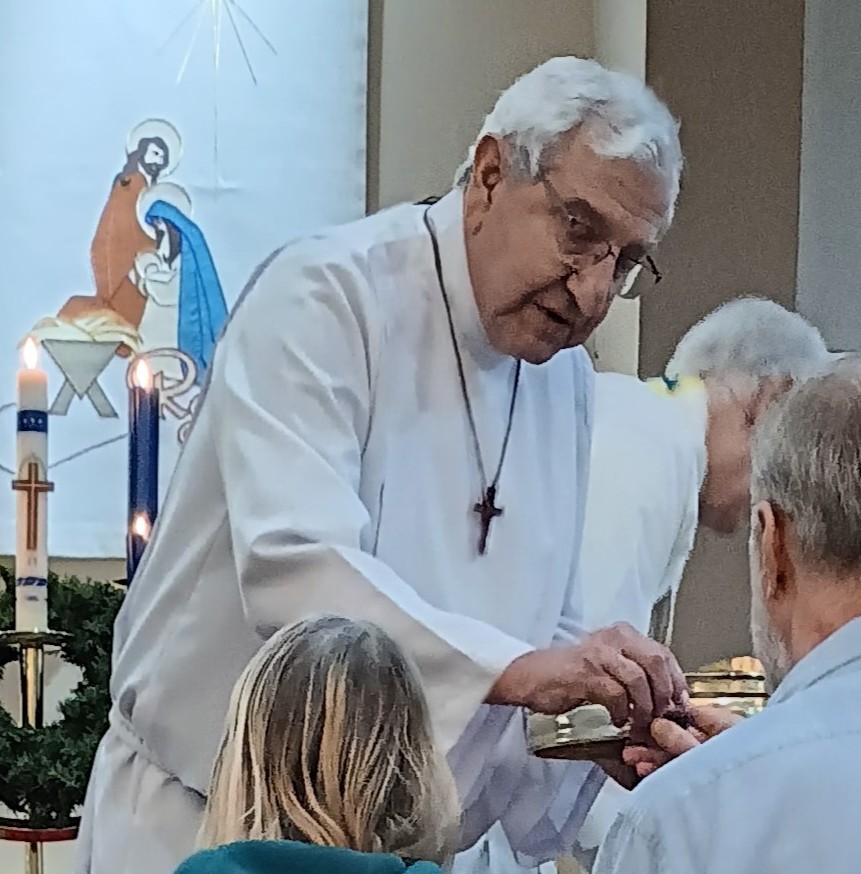
When a student learns about the theology of the sacraments, they simultaneously witness their mentor presiding at the altar. They see how the Word is proclaimed to a grieving family or a joyful wedding party. These moments are educational in a way that no lecture hall can replicate.
The mentor’s mandate includes providing honest and constructive feedback on a weekly basis. Whether it is a critique of a sermon or a discussion about a difficult administrative meeting, this immediate loop is crucial. It allows the student to refine their skills while they are still in the protected environment of their degree program.
Competency-Based Education and the Return on Investment
In the current economic climate, prospective students are rightfully concerned about the financial implications of their education. Traditional campus-based models often result in significant student loan debt that can hinder a graduate's ability to serve smaller or mission-focused congregations. Emmanuel Lutheran Global Seminary offers a different path that emphasizes a high return on investment.
Our competency-based programs allow students to graduate without the burden of traditional debt. Because the learning happens in context, students do not need to relocate or leave their current employment. This model respects the student’s stewardship of their resources while providing a top-tier theological education.
The value of the degree is further enhanced by the practical experience gained under the local pastor. A graduate who has spent years applying their learning in a congregation is more attractive to calling committees. They enter their first post-graduation call with a proven track record of ministerial competence and spiritual maturity. You can learn more about our commitment to accessible education on our Admissions page.
The Practical Pillars of Pastoral Formation
There are several key areas where the local pastor’s influence is most transformative for the seminarian. These pillars form the foundation of the competency-based curriculum and ensure the student is well-equipped for the future of the church.
Liturgical Leadership: The student learns to lead worship not as a performance but as a service to the community.
Pastoral Care: The mentor models how to provide spiritual guidance and support in times of crisis and celebration.
Administrative Stewardship: The student gains insight into the "business" side of the church, including budgets, committee leadership, and strategic planning.
Homiletical Development: Through regular preaching opportunities, the student finds their unique voice under the watchful eye of an experienced orator.
These pillars are not merely boxes to be checked; they are skills to be mastered over time. The mentor ensures that the student is not just performing tasks but is understanding the underlying theology of each action. This deep integration is what distinguishes our approach from traditional internships.
The local pastor also plays a critical role in evaluating the student's progress according to the standards of 1 Timothy 3 and Titus 1. Character development is just as important as academic achievement. A mentor provides the accountability necessary to maintain the high ethical standards of the pastoral office.
Strengthening the Local Congregation Through Education
The presence of a seminarian within a congregation brings a unique vitality to the entire community. As the student learns, the congregation also grows in its understanding of the faith. The parish becomes a teaching church, a place where the next generation of leaders is nurtured and sent out.
This symbiotic relationship benefits the local pastor as well. Mentoring a student often requires the pastor to revisit the fundamentals of their own calling and theology. It can reignite a passion for teaching and provide fresh perspectives on long-standing parish challenges.
The congregation witnesses the transformation of a student into a shepherd firsthand. This communal investment creates a sense of shared mission and pride. For those interested in seeing the real-world impact of this model, we invite you to read about Linda S. Murphy’s Journey to Ministry.
The Long-Term Impact of Mentorship
Research from organizations like the Association of Theological Schools suggests that early mentorship is the greatest predictor of long-term pastoral health. The patterns of self-care, study, and leadership established during seminary often persist throughout a pastor’s career. By providing a strong mentor from the beginning, we are investing in the future stability of the church.
A student who has been well-mentored is less likely to experience burnout or isolation in their early years of ministry. They have already built a network of support and learned how to navigate the stresses of the office. They carry the wisdom of their mentor with them into every new challenge they face.
This model of education is not a shortcut; it is a more rigorous and relevant way to prepare for the holy office. It requires a significant commitment from both the student and the local pastor. However, the result is a leader who is ready to serve from day one.
For those considering advanced studies, our Doctor of Ministry (DMin) program also emphasizes this practical, in-context application of theology. It is designed for leaders who wish to continue their formation while remaining active in their calling.
Conclusion: A Collective Mission for the Future
The mentor’s mandate is a call to the entire church to take responsibility for its future leaders. It is an invitation for local pastors to see themselves as vital educators in the seminary process. It is a promise to students that they will not have to walk the path of formation alone.
As we look toward the future of the church, the need for well-equipped, debt-free, and contextually aware pastors has never been greater. Emmanuel Lutheran Global Seminary is proud to lead the way in this competency-based revolution. We celebrate the partnerships between our faculty, our students, and the local pastors who make this possible.
Together, we are ensuring that the light of the Gospel continues to shine through leaders who are prepared in heart, mind, and hand. We invite you to join us in this mission of transformation and growth.
For more information or to discuss your personal discernment and formation plan, please reach out to us via email at Team@ELGS.org. We would be excited to speak with you!
Comments