
From the Crowded Courtyard to the Fruitful Vineyard: The Temple, the Tree, and Living Faith in Busy Times
Meta Description: Discover how Holy Monday transitions us from the crowded courtyard to the fruitful vineyard. Learn about debt-free theological education and living faith today.
The events of Holy Monday provide a striking contrast between the noise of the world and the quiet growth of the spirit. As Jesus Christ entered Jerusalem, His actions in the temple and His encounter with a fig tree revealed deep truths about the nature of faith. This day serves as a pivotal moment in the liturgical calendar. It invites believers to examine the structures of their lives and the fruits of their devotion.
For the modern student of theology, these biblical narratives are more than historical accounts. They represent a transformative journey from a state of spiritual clutter to a state of purposeful ministry. At Emmanuel Lutheran Global Seminary, the focus remains on equipping leaders to navigate these complexities. This mission is accomplished through a unique educational pedagogy that emphasizes learning within the context of the local church.
Holy Monday challenges the faithful to consider what it means to live a life of significance in a fast-paced world. The narrative suggests that busy schedules should not replace a deep connection to the Divine. Instead, the cleansing of the temple and the lesson of the tree offer a blueprint for spiritual renewal. This renewal is central to the formation of every pastoral leader pursuing a calling in the twenty-first century.
The Cleansing of the Temple: Restoring the Sacred Space
When Jesus entered the temple courts, He encountered a scene of commerce and distraction. The sacred space intended for prayer had become a marketplace for profit and convenience. Jesus took decisive action to clear the area and restored the focus to worship and prayer. This event serves as a powerful reminder of the importance of maintaining holy priorities in our daily lives.
In a professional and academic context, the temple cleansing represents the removal of barriers to true learning. Students often find themselves overwhelmed by the "noise" of traditional educational models. By focusing on competency-based education, Emmanuel Lutheran Global Seminary helps students clear away unnecessary distractions. This approach allows them to focus on the core competencies required for effective ministry.
The Lutheran perspective emphasizes that the heart of the believer is a temple of the Holy Spirit. Just as Jesus cleansed the physical temple, He continues to work within the believer to remove sin and distraction. This process of sanctification is ongoing and vital for anyone engaged in theological study. It ensures that the foundation of ministry remains rooted in the Word of God rather than human traditions.

Restoring the sacred space also involves a commitment to stewardship and integrity. Many students today are concerned about the financial burdens associated with higher education. By offering a path to graduate without the burden of traditional debt, the seminary honors the principle of wise stewardship. This financial freedom allows graduates to enter their fields with a clear focus on service.
The Withered Fig Tree: A Call to Authenticity
On the same day Jesus cleansed the temple, He also encountered a fig tree that bore leaves but no fruit. This encounter was a living parable about the danger of outward appearances without internal substance. The tree appeared healthy from a distance, yet it failed to fulfill its primary purpose. Jesus used this moment to teach His disciples about the power of faith and the necessity of bearing fruit.
For those pursuing a Doctor of Ministry (DMin), the lesson of the fig tree is particularly relevant. It is not enough to possess the academic credentials or the outward symbols of leadership. True ministry requires the production of spiritual fruit that benefits the community and the church. This authenticity is the hallmark of a leader who is deeply rooted in the Gospel.
The educational pedagogy at Emmanuel Lutheran Global Seminary is designed to foster this kind of authentic growth. By learning in context, students are able to apply their studies directly to the needs of their congregations. This hands-on approach ensures that their education is not just theoretical but produces tangible results. The focus is always on the development of practical skills and spiritual maturity.

Authentic faith also requires a commitment to constant discernment and prayer. The withered tree serves as a warning against spiritual complacency and the lure of a busy but hollow life. As believers navigate the challenges of the modern world, they must remain connected to the Vine. This connection is what provides the nourishment needed to grow and thrive in difficult seasons.
Integrating Faith and Learning in Busy Times
The transition from the crowded courtyard of the temple to the fruitful vineyard of the Spirit is a lifelong process. It requires a diligent and proactive approach to both professional and spiritual development. Many individuals today are balancing multifaceted lives with responsibilities in the workplace, the home, and the church. Finding a balance between these roles is essential for long-term success in ministry.
Emmanuel Lutheran Global Seminary recognizes these challenges and provides a supportive environment for busy professionals. The programs are structured to allow students to remain active in their current ministry settings while they study. This integration of faith and learning creates a synergy that benefits both the student and the local church. It is a model of education that respects the complexity of modern life.
The use of specific institutional and ecclesiastical terminology helps to ground this narrative in a formal academic context. Terms such as "competency-based" and "in-context learning" are not just buzzwords. They represent a fundamental shift in how theological education is delivered and experienced. This shift is necessary to meet the needs of a global church that requires agile and well-prepared leaders.

When students are engaged in this type of learning, they experience a profound sense of transformation. They move from being passive recipients of information to active participants in the mission of God. This growth is evidenced by their ability to lead with confidence and compassion in their respective communities. The journey from the temple to the tree is a journey toward wholeness and purpose.
The Return on Investment: A Debt-Free Future
One of the most significant considerations for any prospective student in 2026 is the return on investment for their education. Traditional seminary programs often leave graduates with substantial debt that can hinder their ability to serve effectively. Emmanuel Lutheran Global Seminary is committed to a different path by providing high-quality, accessible education. This commitment ensures that students can focus on their calling rather than their creditors.
The ability to graduate without the burden of traditional debt is a cornerstone of the seminary’s mission. This financial model reflects a deep understanding of the economic realities facing many families and congregations today. By reducing the financial barrier to entry, the seminary opens doors for a diverse group of leaders to pursue their dreams. It is an investment in the future of the global church.
For more information on the history and vision of this institution, readers are encouraged to visit our story. This page provides insights into the values that drive the commitment to affordable theological education. It also highlights the stories of individuals who have benefited from this innovative approach. Their successes are a testament to the effectiveness of the competency-based model.
Investing in a theological education should provide a high return on investment in terms of both skill and spirit. Graduates should feel equipped to handle the administrative, pastoral, and theological demands of their roles. By focusing on practical outcomes, the seminary ensures that every dollar and hour spent is a step toward a more fruitful ministry. This is the essence of a responsible and faithful educational pedagogy.
A Collective Mission for Global Outreach
The lessons of Holy Monday ultimately point toward a collective mission to share the Gospel with the world. The cleansing of the temple and the teaching of the tree are not just individual lessons; they are calls to corporate action. As a community of believers, we are called to maintain the purity of our worship and the productivity of our witness. This mission requires a unified effort from leaders, students, and supporters alike.
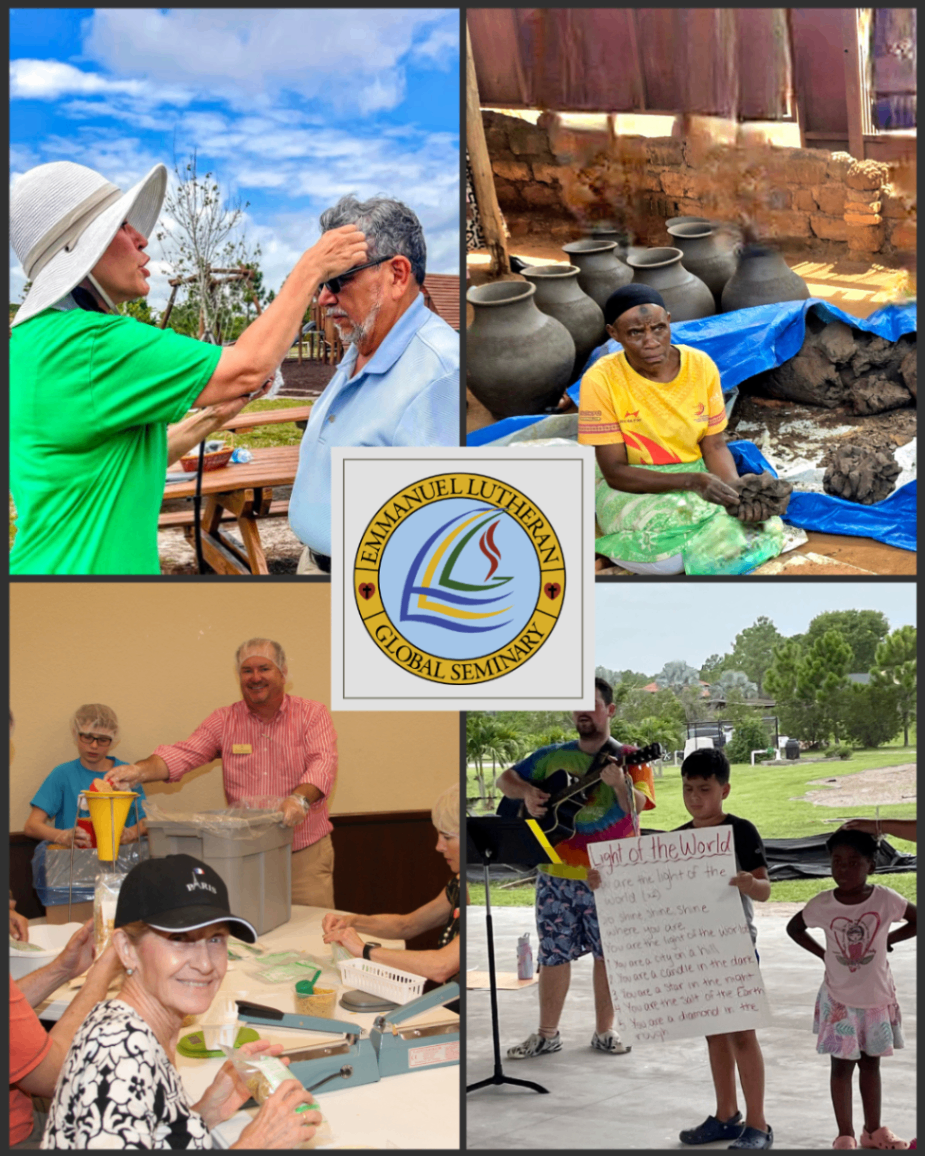
Emmanuel Lutheran Global Seminary serves as a hub for this global outreach, connecting students from various backgrounds and regions. Through common study and shared goals, students develop a sense of solidarity that transcends geographical boundaries. This global perspective is essential for addressing the challenges of the twenty-first century church. It fosters a spirit of collaboration and mutual support that is vital for long-term impact.
The narrative of Holy Monday reminds us that the journey of faith involves both the removal of the old and the cultivation of the new. We must be willing to let go of the "business" that distracts us from our true purpose. Simultaneously, we must be diligent in nurturing the "fruit" that God desires to see in our lives. This balance is the key to a vibrant and enduring faith.
As we look toward the future, the goal remains to equip pastoral leaders who are both academically rigorous and spiritually grounded. The seminary remains dedicated to this vision by offering programs that are relevant, accessible, and faithful to the Lutheran tradition. We invite you to join us in this mission as we work together to build the Kingdom of God. Your participation is a vital part of the story we are writing together.
For more information or to discuss your personal discernment and formation plan, please reach out to us via email at Team@ELGS.org. We would be excited to speak with you!
Comments