
From Traditional Isolation to Community Impact: Why "In-Situ" Pastoral Formation is a Game-Changer for Local Churches
Meta Description: Discover how in-situ pastoral formation transforms local churches. Learn why training leaders within their own communities creates debt-free, high-impact ministry.
For decades, the path to ministry followed a very specific, and often disruptive, pattern. A called individual would pack up their life, leave their home congregation, and move to a distant campus for several years. They would study abstract theories in a classroom, far removed from the people they intended to serve. While this model had its time, the world has changed, and so has the needs of the church.
At Emmanuel Lutheran Global Seminary, we believe that in-situ pastoral formation is the future of theological education. In-situ simply means "in its original place." Instead of pulling leaders away from their communities, we believe the best training happens right where the ministry is already taking place. This approach is a total game-changer for local churches, offering a level of growth and stability that traditional models simply cannot match.
By focusing on competency-based learning within a local context, we are seeing a shift in how leaders are developed. It is no longer about just earning a degree; it is about deepening a calling while actively serving a flock. This method ensures that the education is immediately applicable, relevant, and deeply rooted in the specific needs of a community.
The Power of Presence: Strengthening the Church Today
The most immediate benefit of in-situ training is that the local congregation does not lose its leader. In the old model, a church might identify a gifted member for ministry, only to lose them to a seminary campus for four years. By the time that person graduated, they were often a stranger to their home base, or they were sent elsewhere entirely.
With in-situ formation, the leader stays put. As they learn about homiletics, they are preaching in their home pulpit. As they study pastoral care, they are visiting the sick in their own pews. This creates a beautiful synergy where the leader’s growth directly feeds into the health of the congregation.
The church becomes a "teaching congregation," a living laboratory where faith is explored and practiced in real-time. This active engagement keeps the community vibrant. It allows the congregation to participate in the formation of their own future pastor, fostering a sense of ownership and shared mission that is truly inspirational.
Contextual Wisdom Over Abstract Theory
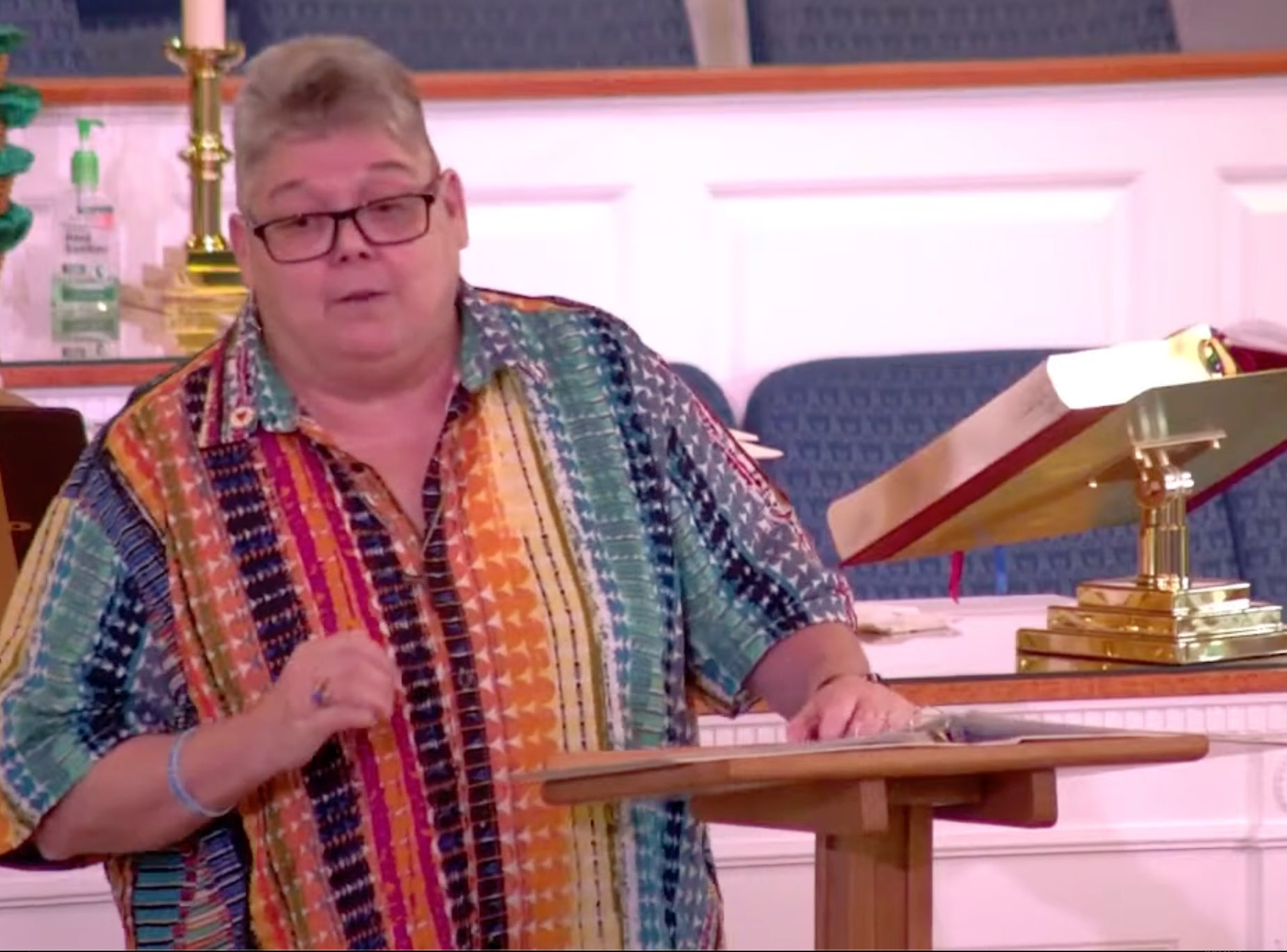
Every community has its own unique "flavor," its own set of challenges, and its own cultural nuances. A textbook can tell you how to lead a vestry meeting, but it cannot tell you how to navigate the specific history of a 100-year-old rural parish or the complexities of an urban ministry center.
In-situ formation prioritizes local context. According to research on experiential learning in ministry, mentoring requires giving the mentee "the gift of place". This "gift of place" allows students to apply theological concepts to the people they actually know. It turns academic study into practical wisdom.
When a student is engaged in programs that value their current location, they do not have to "translate" what they learn. They are already speaking the language of their neighbors. This local immersion ensures that when they complete their formation, they are not just "job-ready", they are "context-ready."
Flexibility for the Modern Leader
Life in 2026 is fast-paced and multifaceted. Many of our students are balancing family responsibilities, full-time jobs, and existing ministry roles. The idea of uprooting their entire life for a traditional residency is not just difficult; it is often impossible.
In-situ training offers the flexibility that modern life demands. Because our pedagogy is competency-based and happens in context, students can tailor their pace to their life circumstances. They do not have to choose between their calling and their responsibilities to their family or community.
This flexibility also allows for a more diverse range of leaders to enter the ministry. We are seeing more second-career professionals, parents, and community leaders answering the call because the barriers of "moving to campus" have been removed. This inclusivity enriches the whole church, bringing a wider array of life experiences to the pulpit.
The Return on Investment: Debt-Free Ministry
We must talk about the elephant in the room: the cost of traditional education. For too long, entering the ministry meant taking on mountains of student debt. This burden often dictates where a new pastor can serve, forcing them toward wealthy congregations and away from the small, local churches that need them most.
At Emmanuel Lutheran Global Seminary, we are committed to a different path. Because our model does not require the massive overhead of a physical campus, we can pass those savings on to our students. Our goal is to help you graduate without the burden of traditional debt.
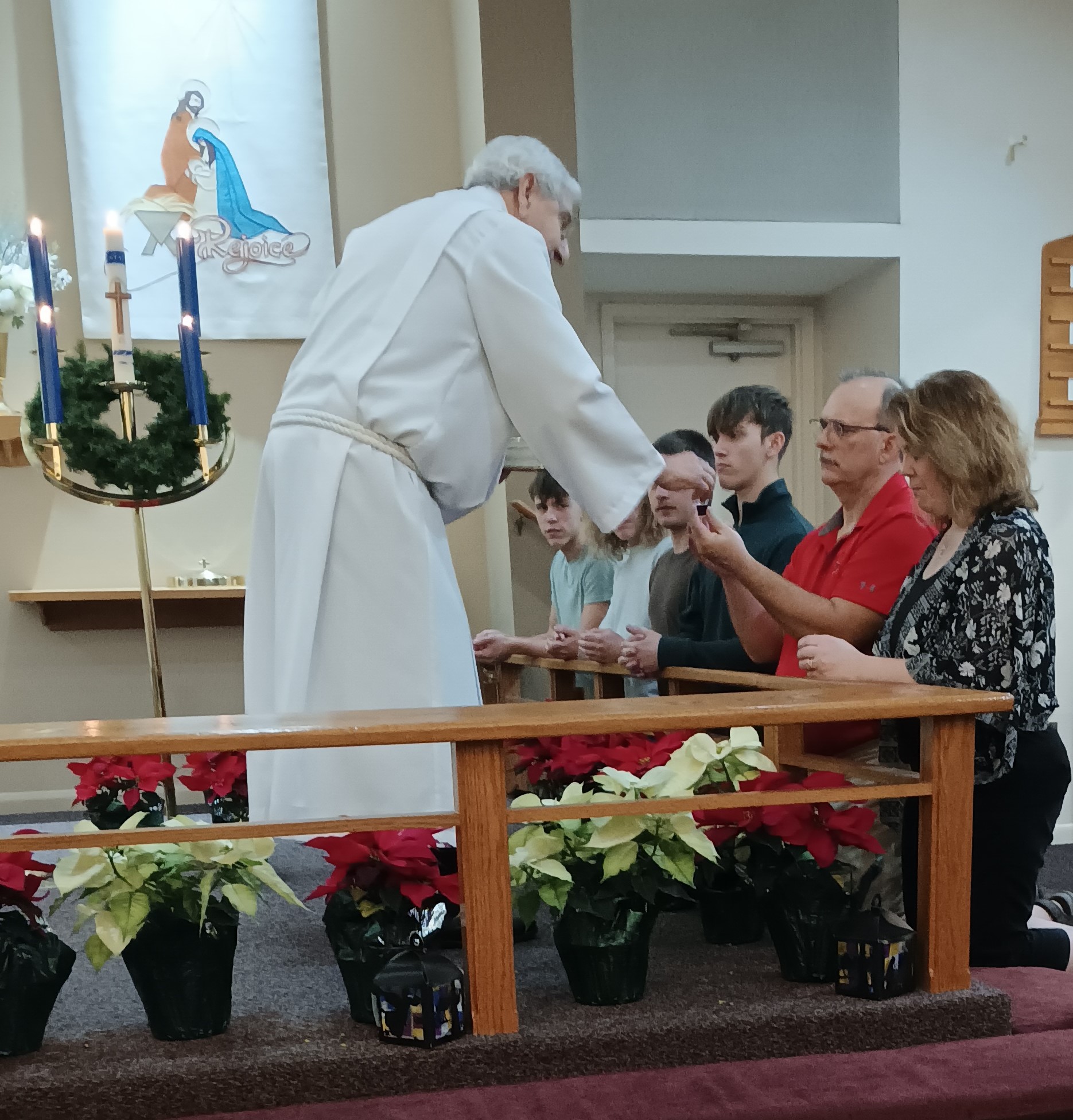
When a leader can enter their calling debt-free, they have the freedom to serve wherever the Spirit leads. This is a massive "Return on Investment" for the individual and the global church. We even offer a full tuition scholarship to ensure that financial barriers never stand in the way of a divine calling. In an era where the Federal Reserve continues to report on the impact of student loans, providing a debt-free alternative is a moral and practical necessity.
Building a Culture of Mentorship
In-situ formation is not a solitary journey. It relies heavily on the relationship between the student, the seminary, and local mentors. This creates a network of support that lasts far beyond graduation. Instead of being isolated in an ivory tower, the student is surrounded by seasoned practitioners who can offer real-world advice.
These mentors are often pastors or lay leaders who are already doing the work. They provide the "space" for theological reflection that is so vital to healthy ministry. This culture of mentorship strengthens the entire leadership structure of the local church.
As the student grows, the mentors are often revitalized in their own callings. It becomes a cycle of mutual encouragement. The seminary provides the academic rigor and theological framework, while the local church provides the heartbeat and the hands-on experience.

From Theory to Practice: A Living Faith
Ultimately, the goal of any pastoral formation is to create leaders who can effectively share the Gospel and care for God's people. In-situ training ensures that this goal is met through constant practice. There is no gap between learning and doing.
Whether it is administering the sacraments, leading a Bible study, or organizing a community outreach program, the student is doing it in real-time. This "hands-on" approach builds confidence and competence in a way that reading about it never could. It turns the entire community into a sanctuary of learning.
When we look at the impact of our students, we see churches that are more engaged, leaders who are more resilient, and a Gospel message that is more deeply integrated into the local culture. It is a transformative way to think about education, and we believe it is the key to a flourishing church in the 21st century.
Why This Matters for Your Church
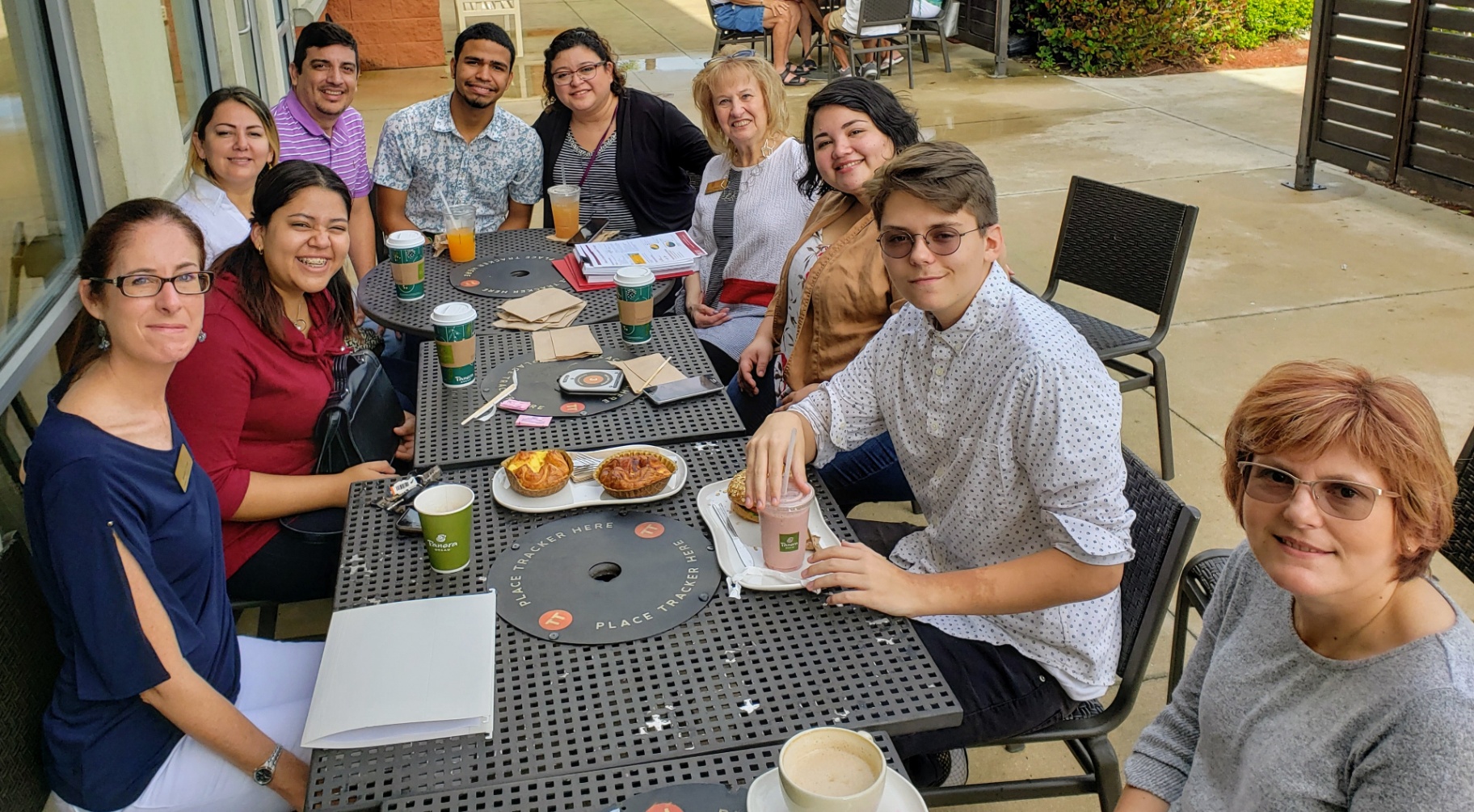
If you are a church leader or a member of a congregation, you might be wondering how this affects you. The answer is simple: in-situ formation empowers your local community to be the primary place where ministry happens. It honors your specific mission and your specific people.
It means that the next generation of leaders will be trained with your community’s values in mind. They will understand your history and your hopes for the future. They will be equipped to lead not just "a" church, but your church.
This approach also ensures the long-term sustainability of the local congregation. By fostering leadership from within and keeping training costs low, churches can focus their resources on mission and service rather than administrative overhead or debt repayment. It is a win-win for everyone involved.
Conclusion: Answering the Call Together
The shift toward in-situ pastoral formation is more than just a trend; it is a return to a more biblical, community-centered way of raising up leaders. It recognizes that God is already at work in our local neighborhoods and that our job is to equip leaders to join that work.
If you feel a nudge toward ministry, or if your church is looking for ways to develop internal leadership, we invite you to explore this path. You do not have to leave your home to find your calling. You can grow, learn, and serve right where you are, supported by a global seminary that believes in the power of the local context.
Together, we can build a future for the church that is rooted, relevant, and debt-free. Let us embrace the "gift of place" and see what God will do in our own backyards.
For more information or to discuss your personal discernment and formation plan, please reach out to us via email at Team@ELGS.org. We would be excited to speak with you!
Comments