
From Traditional Theory to Ministry Mastery: Why Competency-Based Learning is the Future of the Call
date: 2026-05-08 09:00:00 EST slug: /blog/competency-based-learning-ministry-skills/
The landscape of theological education is undergoing a profound transformation. For centuries, the path to pastoral leadership remained confined within the ivory towers of academia. Students spent years studying ancient languages and abstract dogmatics in isolation from the communities they hoped to serve.
Today, a new paradigm is emerging at Emmanuel Lutheran Global Seminary. We are witnessing a shift toward Competency-Based Learning that prioritizes Practical Skills and real-world application. This model ensures that the Ministry leaders of tomorrow are prepared for the complex realities of the twenty-first-century church.
By focusing on what a student can actually do rather than how many hours they sit in a lecture hall, we are redefining excellence. This approach allows students to pursue their calling while remaining deeply embedded in their local congregational contexts. It is a journey that moves from academic theory to genuine ministry mastery.
The Necessity of Practical Skills in Modern Ministry
Modern clergy members face challenges that traditional seminary curricula often overlook. A pastor is no longer just a preacher or a teacher of doctrine. They must also serve as administrators, counselors, financial stewards, and community organizers.
Practical Skills are the essential tools that allow a leader to navigate these diverse responsibilities with grace. Without these competencies, even the most brilliant theologian may struggle to manage a church budget or lead a capital campaign. The future of the church depends on leaders who possess a holistic set of capabilities.
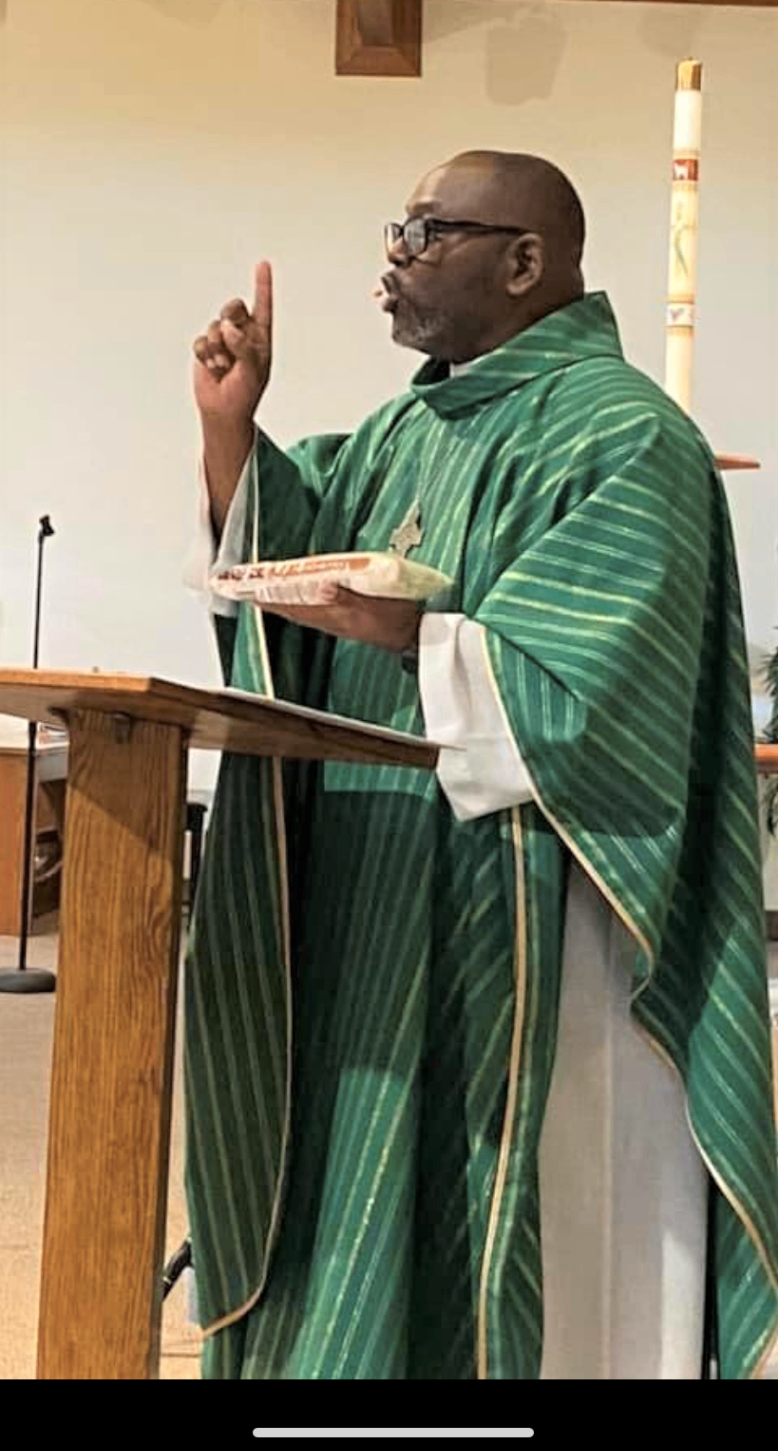
Our programs focus on the integration of theological depth and functional expertise. We believe that spiritual formation and professional development should occur simultaneously. This integrated approach prepares our students for the multifaceted nature of the pastoral office.
Understanding Competency-Based Learning
Competency-Based Learning is a pedagogical model that measures progress by the mastery of specific tasks and knowledge areas. Instead of following a rigid semester-based schedule, students advance as they demonstrate their proficiency. This ensures that every graduate is fully equipped for the demands of their specific vocation.
This model is particularly effective for those who are already engaged in active service. It recognizes the learning that occurs through daily pastoral work and congregational leadership. Learning is done "in context," meaning the local church becomes the primary classroom where theories are tested and skills are honed.
Because we do not rely on a traditional campus-bound structure, our students do not need to relocate their families. They remain in their communities, serving the people they love while they earn their credentials. This "in context" methodology creates a seamless transition from student to ordained leader.
Achieving a Strong Return on Investment
In the current economic climate, the cost of higher education is a significant concern for many prospective students. Traditional seminary debt can be a crushing weight that hinders a pastor's ability to serve effectively. At Emmanuel Lutheran Global Seminary, we are committed to providing a debt-free path to education.
We emphasize a high Return on Investment by keeping our tuition affordable and our programs efficient. Students can graduate without the burden of traditional debt, allowing them to focus entirely on their mission. This financial freedom is a cornerstone of our commitment to the global church.

According to reports from the Association of Theological Schools, student debt remains one of the greatest barriers to entering the ministry. By removing this barrier, we empower a more diverse group of leaders to answer the call. Our scholarship opportunities further ensure that financial constraints do not limit spiritual potential.
You may explore our scholarship opportunities to see how we support our students in achieving their goals. We believe that a calling should not be a financial liability but a spiritual investment. This commitment to affordability is central to our institutional identity.
The Shift from Classroom to Congregation
The transition from a campus-focused model to an "in context" model represents a return to apostolic roots. In the early church, leaders were identified and trained within their local communities. They learned the art of ministry by doing it alongside experienced mentors.
Our faculty members act as guides and assessors in this process. An instructor at Emmanuel Lutheran Global Seminary does not simply deliver lectures. They provide feedback on a student's actual performance in the field, from preaching to pastoral care.

This collaborative environment fosters a sense of accountability and growth. Students are not just numbers in a database; they are active participants in a global network of believers. You can read more about our story to understand the values that drive this community-focused education.
Essential Competencies for the Future Leader
What are the specific Practical Skills that define a competent minister? We have identified several key areas that are vital for success in today’s ecclesiastical environment. These competencies form the core of our programs.
Emotional Intelligence: The ability to navigate interpersonal conflict and provide compassionate pastoral care.
Financial Literacy: Managing church resources with transparency, integrity, and strategic vision.
Visionary Leadership: Leading a congregation through change and articulating a clear mission for the future.
Sacramental Proficiency: Conducting rituals and sacraments with reverence and theological understanding.
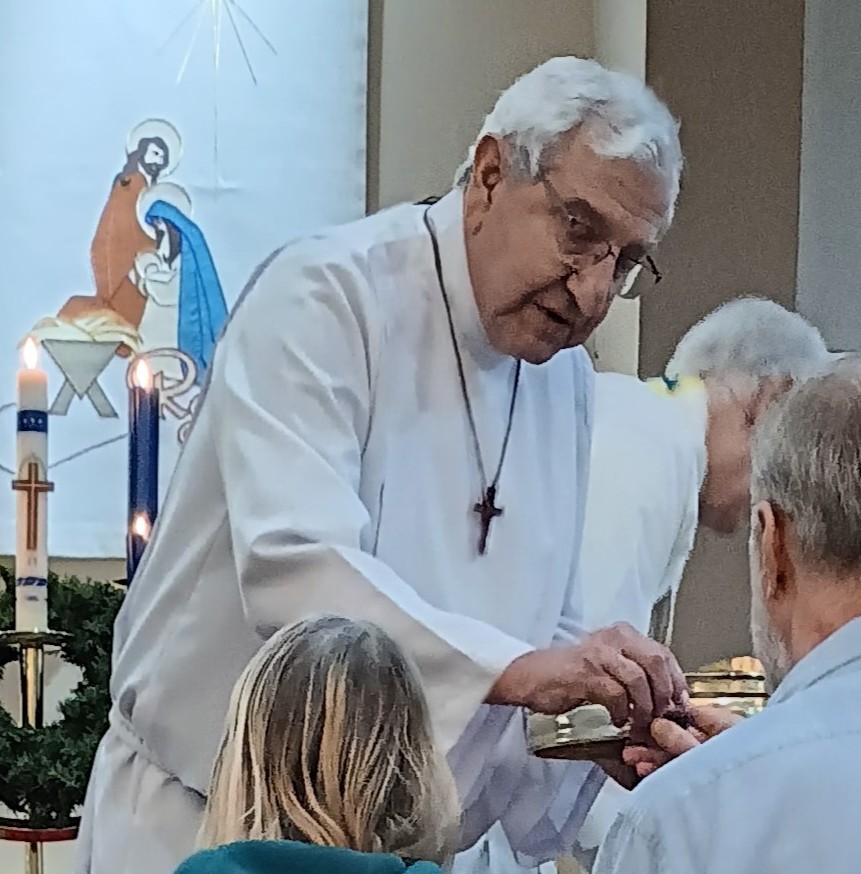
These skills are not merely "soft skills." They are the hard requirements of effective leadership in a changing world. When a student masters these competencies, they gain the confidence needed to lead with authority and humility.
Overcoming the Theory-Practice Divide
For too long, there has been a divide between what is taught in the seminary and what is practiced in the parish. Competency-Based Learning bridges this gap by making practice the primary focus of the curriculum. We believe that theological reflection is most powerful when it is applied to real-world problems.
This educational philosophy encourages students to be agile and responsive. As the church faces new cultural and social challenges, our graduates are ready to adapt. They possess the critical thinking skills necessary to apply eternal truths to temporary circumstances.
The Pew Research Center often highlights the changing demographics and needs of religious communities. Our curriculum is designed to evolve alongside these trends. We prepare our students to be lifelong learners who are always deepening their expertise.
Global Impact through Local Context
By training leaders in their own contexts, we are able to have a truly global impact. We do not require students from different cultures to conform to a single Western academic standard. Instead, we honor the unique traditions and needs of their local churches.
This approach respects the diversity of the body of Christ. It allows for a rich exchange of ideas and practices across national and denominational boundaries. Whether a student is in a rural village or a metropolitan center, their education remains relevant.

We are committed to empowering leaders who will serve as catalysts for transformation. This is the heart of our mission at Emmanuel Lutheran Global Seminary. We invite you to join us in this movement toward a more practical and impactful form of theological education.
The Journey Toward Mastery
The path to ministry is a lifelong journey of growth and discovery. It begins with a sense of calling and continues through disciplined study and faithful service. By choosing a competency-based path, you are choosing a future of excellence and integrity.
We are here to support you at every stage of your development. Our faculty and staff are dedicated to your success and your spiritual well-being. Together, we can ensure that the next generation of leaders is prepared to serve with both heart and hand.
The future of the call is not found in a library alone. It is found in the pulpit, at the font, and in the community. It is found in the mastery of the skills that allow the Gospel to be shared effectively with a hurting world.
For more information or to discuss your personal discernment and formation plan, please reach out to us via email at Team@ELGS.org. We would be excited to speak with you!
Comments