
From Uncertain Discernment to Confident Calling: Does an Accredited Seminary Really Matter in 2026?
- team
- Apr 9
- 8 min read
URL Slug: /blog/importance-of-accredited-seminary-2026/ Meta Description: Is an accredited seminary still relevant in 2026? Discover how earning a theology degree through Emmanuel Lutheran Global Seminary ensures academic and ministerial integrity.
The landscape of religious leadership is changing rapidly as we move through the year 2026. Many individuals feel a profound Ministry Calling but find themselves at a crossroads when choosing the right path for their education. They often ask if attending an Accredited Seminary is still a necessary step for earning a Theology Degree. The answer to this question involves understanding the value of institutional integrity and the future of pastoral formation.
Choosing a path for theological education is a significant decision that impacts your entire future. In a world filled with various educational options, accreditation remains the gold standard for quality and accountability. It provides a framework that ensures the education you receive is both rigorous and respected by the broader church community. This guide will explore why accreditation matters more than ever and how Emmanuel Lutheran Global Seminary (ELGS) provides a path to excellence.
Defining Educational Standards in a Digital Age
Accreditation is a formal process where an external body evaluates an institution to ensure it meets specific standards. These standards cover academic quality, faculty qualifications, and the effectiveness of student learning outcomes. When a student chooses an Accredited Seminary, they are choosing an institution that has submitted itself to rigorous peer review. This process guarantees that the curriculum is deep and the instruction is sound.
In 2026, the proliferation of informal learning programs has made it difficult to discern which certificates hold true weight. Accreditation by recognized bodies, such as the Association of Theological Schools, provides a clear marker of legitimacy. It signals to congregations and denominations that the graduate has been prepared according to established theological and pedagogical norms. This external validation is crucial for maintaining the high standards required for those in leadership.
For many, the journey begins with a sense of wonder and a desire to serve. You may find yourself moving from intellectual study to spiritual maturity as you engage with deep theological truths. Accreditation ensures that this growth is supported by a faculty that possesses the necessary credentials and experience. It provides a foundation that allows the student to focus on their spiritual and academic development without doubting the value of their degree.
The Risks of Pursuing an Unaccredited Theology Degree
While unaccredited programs may seem faster or less expensive, they often carry significant risks for the student. Many of these institutions lack the oversight needed to ensure a balanced and comprehensive education. This can lead to gaps in knowledge that may hinder a person's effectiveness in a real ministry setting. Furthermore, degrees from unaccredited institutions are often not recognized by other academic bodies or denominational authorities.
One of the most practical concerns involves the transfer of credits. If a student begins their studies at an unaccredited school and later wishes to move to an Accredited Seminary, their previous work may not be accepted. This can result in a loss of both time and financial resources. An accredited Theology Degree offers portability, allowing students to continue their education or seek advanced degrees at other reputable institutions.
Professional reputation is also at stake when choosing an educational path. Many churches and non profit organizations verify the credentials of their potential leaders before making a hiring decision. A degree from a recognized institution builds trust and demonstrates a commitment to professional excellence. You can learn more about avoiding these pitfalls by reading about the 7 common mistakes in choosing a seminary.

Evaluating the Return on Investment for Future Clergy
In 2026, prospective students are hyper aware of the financial implications of their education. The concept of Return on Investment (ROI) is no longer reserved for the business world. Students are seeking ways to graduate without the burden of traditional debt. An Accredited Seminary like ELGS focuses on providing high value education that prepares students for the realities of modern ministry.
A debt free education allows a new pastor or ministry leader to serve where they are called without financial strain. Traditional campus models often include high tuition and living expenses that can lead to decades of debt. ELGS utilizes a model where learning happens in context and at local churches. This approach reduces overhead costs and passes those savings directly to the student.
The ROI of an accredited degree also includes the long term benefits of professional recognition. Graduates from accredited programs often have access to higher level positions and better benefits within their denominations. They are viewed as prepared and capable leaders who have met the highest standards of their field. This professional standing is an essential component of a sustainable and impactful career in ministry.
Bridging the Gap Between Academic Rigor and Local Ministry
Emmanuel Lutheran Global Seminary believes that theological education should not happen in isolation. Instead of moving to a remote campus, students remain engaged in their local communities and churches. This in context model allows students to apply what they learn in the classroom directly to their current ministry. It creates a dynamic feedback loop where theory and practice inform one another constantly.
The curriculum at ELGS is competency based, meaning students must demonstrate their mastery of specific skills and knowledge. This ensures that every graduate is not just a scholar but a practitioner ready to lead. By working within their local church, students receive mentorship from experienced pastors while pursuing their Theology Degree. This relationship provides a layer of practical accountability that a traditional classroom cannot replicate.

This model of education honors the tradition of the church while embracing modern pedagogical strategies. It recognizes that the Holy Spirit works through the local body of believers. Students are encouraged to see their current environment as a laboratory for faith and leadership. This approach ensures that the education remains relevant to the needs of the 21st century church.
The Importance of Institutional Integrity and Accountability
Institutions that maintain accreditation are required to demonstrate financial stability and ethical governance. This provides a layer of protection for the student as a consumer of education. You can be confident that the seminary will remain operational and committed to its mission throughout your program. Accreditation bodies, such as the U.S. Department of Education recognized agencies, enforce these standards strictly.
Ethical governance also extends to the way faculty and staff interact with the student body. There are clear policies for grievances, academic freedom, and student support services. This creates an environment of mutual respect and professional conduct. In an era where institutional trust is often fragile, the transparency of an Accredited Seminary is a breath of fresh air.
Choosing an accredited path is an act of stewardship over your Ministry Calling. It shows that you value the tradition of the church enough to seek the best possible preparation. It also reflects a desire to be accountable to the wider body of Christ. This commitment to excellence honors the God who has called you into service.
Transforming Your Future through Competency Based Education
The move toward competency based education is one of the most significant shifts in theological training. Rather than focusing solely on time spent in a seat, this model focuses on the actual skills acquired. Students move through the material as they demonstrate proficiency in key areas of ministry. This allows for a more personalized and efficient educational journey.
At ELGS, this means that your prior experience and current ministry work are valued components of your education. If you are already serving in a leadership role, your daily tasks may contribute to your learning objectives. This integration of life and study makes the pursuit of a Theology Degree more accessible for busy adults. It turns the entire world into a classroom where God is the primary teacher.

The result of this process is a graduate who is confident in their abilities and grounded in their faith. They possess the academic credentials to be respected and the practical skills to be effective. This combination is what the church of 2026 desperately needs. It is a transformation that begins with a simple step of faith and leads to a lifetime of impact.
Sustaining Your Calling with a Recognized Credential
A Ministry Calling is a precious gift that requires careful cultivation and support. Having an accredited degree provides a sense of security and validation as you navigate the challenges of leadership. It serves as a reminder that you have been tested and found ready by a community of scholars and peers. This internal confidence is vital during the difficult seasons that every leader faces.
Furthermore, a recognized credential opens doors for collaborative ministry and global outreach. Whether you are working within the Lutheran tradition or in an ecumenical setting, your degree speaks a universal language of quality. It allows you to engage with other leaders on an equal footing, sharing ideas and resources for the sake of the Gospel. Accreditation is not just a label; it is a bridge to a wider world of service.
As you look toward the future, consider the legacy you wish to leave behind. A strong educational foundation is a gift you give to those you will lead in the years to come. By choosing a path of excellence today, you are ensuring that you will have the wisdom and tools to serve faithfully for decades. The pursuit of truth is a noble endeavor that deserves nothing less than our very best.
A Community of Scholars and Practitioners
When you join ELGS, you are not just enrolling in a program; you are joining a global community. This network includes fellow students, dedicated faculty, and seasoned ministry leaders from around the world. Even though you are learning in context, you are never alone in your journey. The seminary provides numerous opportunities for connection and mutual encouragement through localized workshops and collaborative projects.
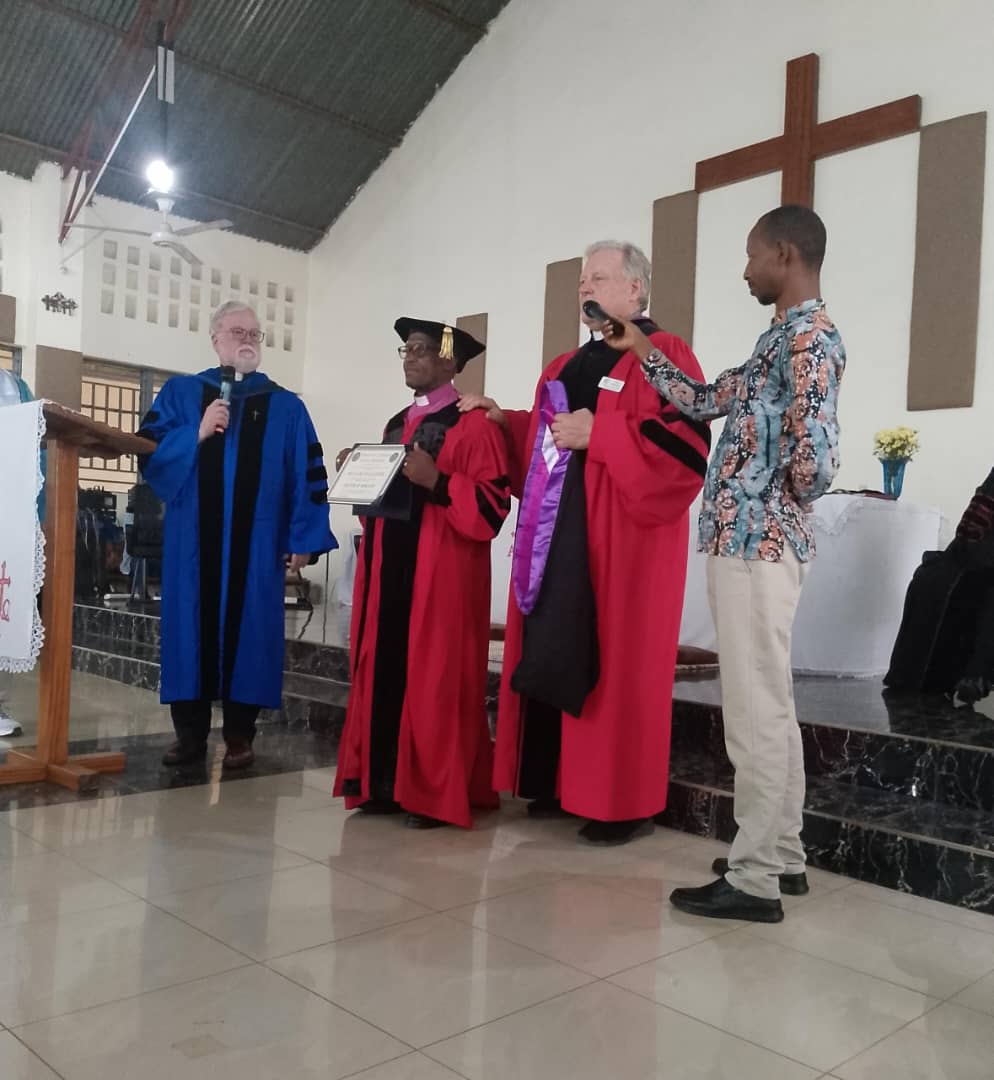

This community is united by a shared commitment to the Lutheran tradition and a passion for the Gospel. We celebrate the diverse backgrounds and experiences that each student brings to the table. This diversity enriches our theological discussions and broadens our understanding of what it means to be the church today. We believe that we are stronger when we learn from one another in a spirit of humility and grace.
The faculty at ELGS are more than just teachers; they are mentors who are deeply invested in your success. They understand the unique challenges of modern ministry because many of them are active practitioners themselves. They are here to guide you through the complexities of theology and help you discern the voice of God in your life. This relationship is at the heart of our mission to train the next generation of leaders.
Taking the Next Step in Your Spiritual Journey
The decision to earn a Theology Degree is a significant milestone in your life of faith. It represents a commitment to growth and a willingness to be shaped by the Word of God. If you feel the tug of a Ministry Calling, we invite you to explore the possibilities that await you at Emmanuel Lutheran Global Seminary. Our accredited programs are designed to meet you where you are and take you where God is leading.
Do not let the complexities of the modern world deter you from your purpose. Accreditation provides the clarity and assurance you need to move forward with confidence. With a focus on debt free education and practical, in context learning, ELGS offers a path that is both faithful and sustainable. Your journey from uncertain discernment to a confident calling begins with the choice to seek excellence in all things.
We are here to support you every step of the way as you pursue the education you need for the ministry you love. Together, we can work toward a future where the church is led by well trained, Spirit filled leaders who are ready to change the world. The time to invest in your calling is now, and we would be honored to be a part of your story.
For more information or to discuss your personal discernment and formation plan, please reach out to us via email at Team@ELGS.org. We would be excited to speak with you!
Comments