
How Competency-Based Learning Prepares You for Real-World Ministry Challenges
- team
- Apr 8
- 7 min read
Meta Description: See how competency-based learning at ELGS builds real ministry skills for working adults and global students, so you can serve with confidence and graduate debt-free.
For many aspiring leaders, the call to ministry arrives in the middle of a flourishing career. If you are exploring a competency-based Master of Divinity because you cannot afford to quit your job, relocate your family, or pause your responsibilities, you are not alone. The real question is whether seminary can prepare you for what ministry actually looks like on Monday morning, not only what it sounds like in a lecture.
At Emmanuel Lutheran Global Seminary, competency-based learning is built around practice, feedback, and formation in context. Students learn where ministry happens: in congregations, workplaces, hospitals, neighborhoods, and living rooms. The goal is clear: bridge the gap between theological study and real pastoral work, so graduates lead with competence, compassion, and confidence.
Competency-Based Learning for Real-World Ministry Challenges
A competency-based Master of Divinity measures progress by demonstrated ability, not by time spent in a classroom. That distinction matters when ministry is complex, fast-moving, and deeply human. Pastors are asked to preach with clarity, care for hurting people, lead volunteers, navigate conflict, and interpret Scripture faithfully in a changing world.
Competency-based learning helps because it is designed around outcomes you can practice, repeat, and strengthen. Instead of only writing about pastoral care, students develop pastoral care skills with guidance. Instead of only studying leadership theory, students apply it with real people and real consequences, then reflect theologically on what happened.
At ELGS, your competencies become your ministry toolkit, and your ministry context becomes your training ground.
From Theory to Pastoral Practice in Your Actual Context
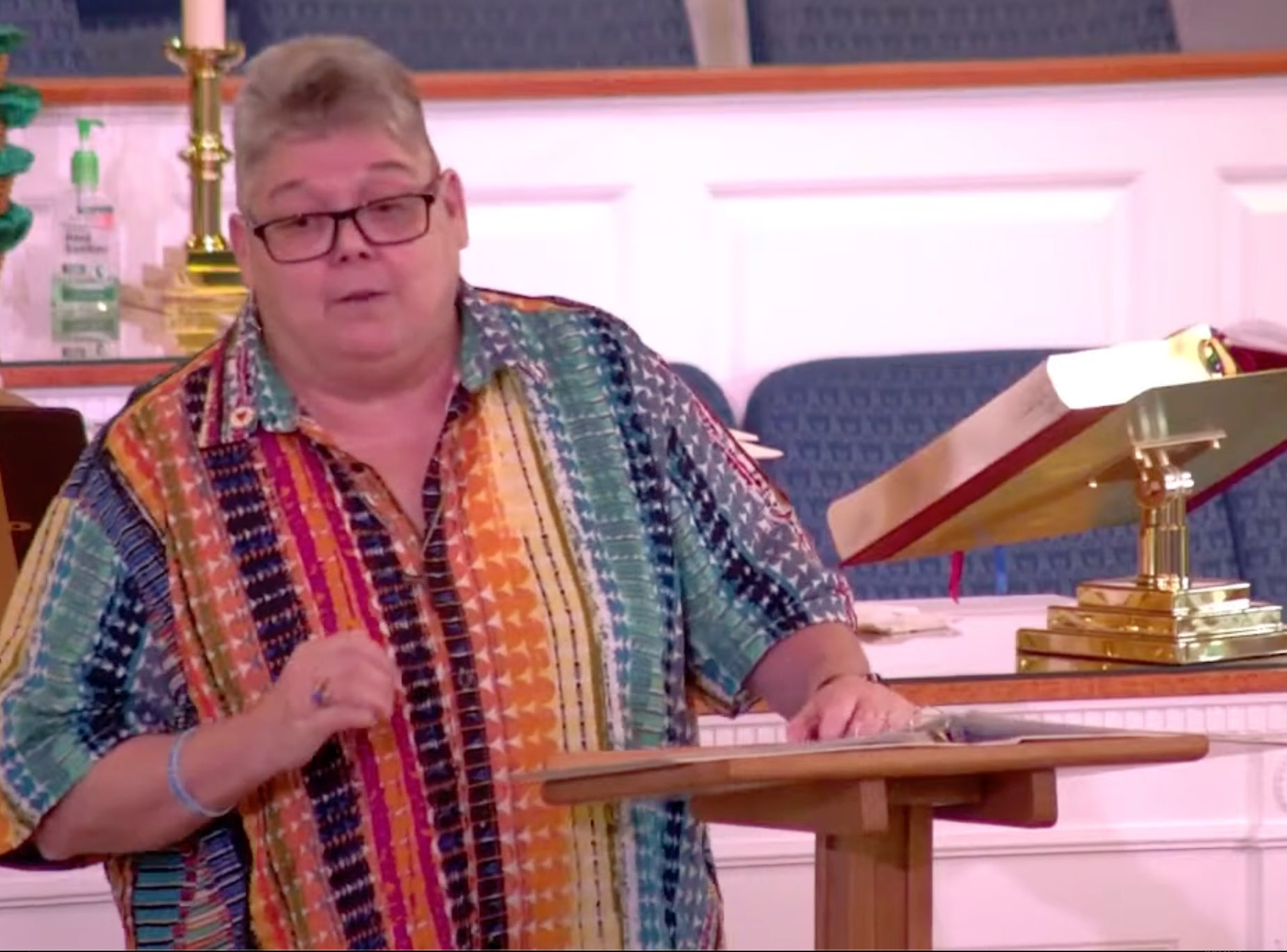
Many students have learned theology in ways that felt disconnected from daily life. ELGS is built to connect the dots. When students study the sacraments, they are also observing, assisting, and serving in worship. When students study homiletics, they are also preparing sermons, receiving feedback, and learning how to preach to the people God has actually placed in front of them.
This is where competency-based education shines. It creates a loop of learning that looks like real formation:
Study Scripture, Lutheran confession, and theological foundations
Practice ministry skills in the local congregation or ministry site
Receive feedback from trained mentors and faculty
Reflect theologically on what you did and what you learned
Demonstrate mastery with clear evidence, not vague participation
This approach supports students who want more than information. It supports students who want readiness.
Why This Works for Working Adults
Working adults often bring leadership experience, communication skills, and a sense of responsibility that can strengthen ministry formation. They also have full calendars. ELGS is structured to meet students where they are, without lowering the standards.
Competency-based learning helps working adults in three practical ways. First, it honors what you already know, so you can focus your energy on growth areas. Second, it allows learning to happen alongside work and family life, not in competition with them. Third, it produces ministry outcomes you can use immediately, which makes the effort feel worthwhile week by week.
Your calling does not need a career pause. Your formation can be integrated into your life right now.
Why This Works for Global Students
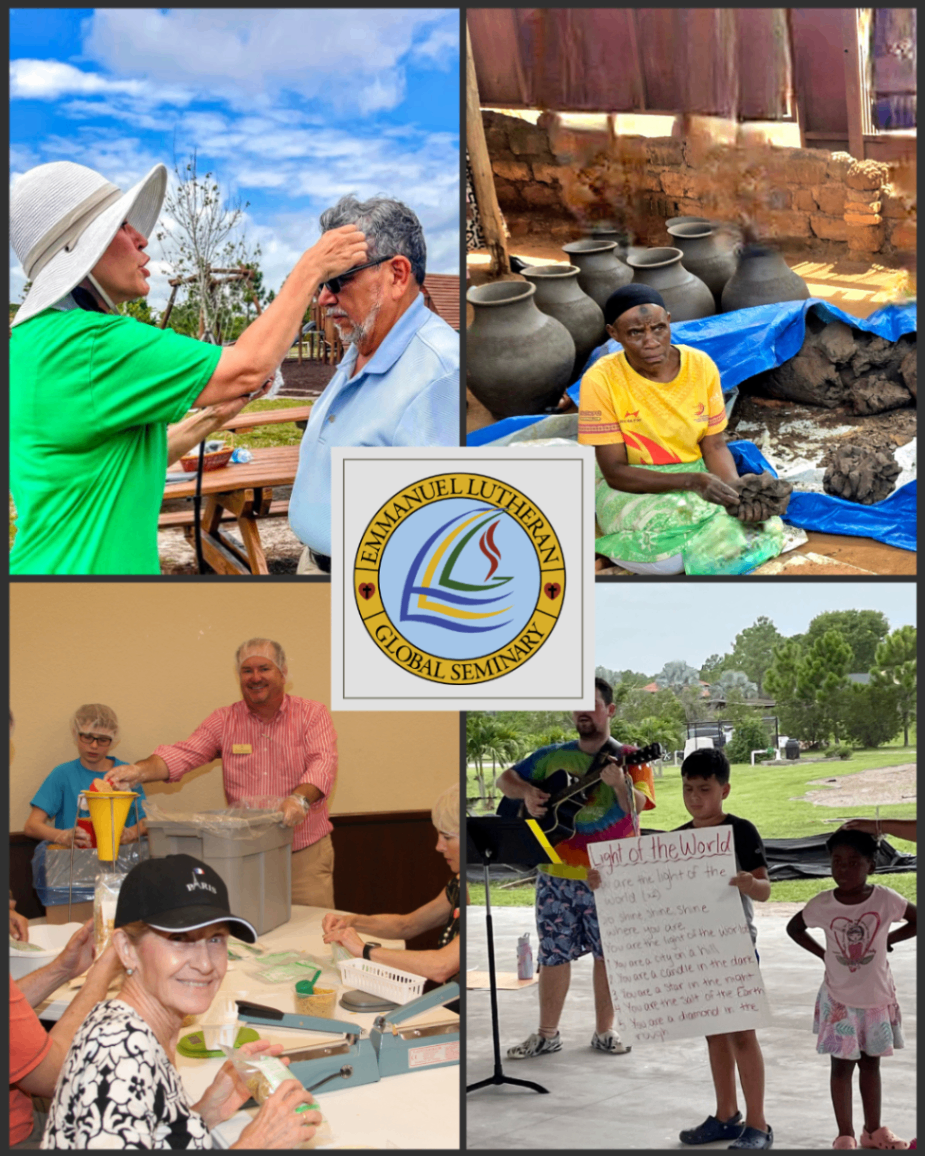
Global students and multicultural leaders often serve in settings where resources are limited and challenges are immediate. A rigid model that requires relocation or a narrow schedule can exclude the very leaders the church needs. Competency-based learning in context expands access while keeping the focus on real ministry skill.
In global contexts, students can demonstrate competencies in their own cultural setting while receiving Lutheran theological grounding and structured assessment. They can practice pastoral care in the language of their community. They can develop preaching that speaks to their people. They can lead with confidence because the work is not hypothetical.
ELGS is committed to a Lutheran tradition that is faithful, thoughtful, and engaged in the world. Competency-based education supports that mission by forming leaders where they are already serving.
You can explore more about our vision for faith and work through Eighth Day Discipleship.
Practical Benefits You Can Feel Week to Week
Competency-based education is not only a different way to measure progress. It is a different way to build pastoral identity. Students often notice the benefits quickly because the learning is tied to ministry practice.
Here are a few outcomes students commonly gain:
Clearer preaching through practice, feedback, and theological reflection
Stronger pastoral care skills for grief, crisis, and everyday discipleship
More confident leadership in meetings, ministry planning, and volunteer development
Better conflict navigation through coached practice and pastoral wisdom
Deeper spiritual maturity through disciplined formation and accountability
The result is not simply knowledge. The result is competence that can serve the church.
Achieving a Debt-Free Theological Education
One of the most significant barriers to theological education today is the burden of student debt. According to the National Center for Education Statistics, the cost of graduate education continues to rise, leaving many new pastors with financial stress. ELGS is committed to a path that respects your financial health and your calling.
Because competency-based learning happens in context, many students can remain in their current jobs and communities while pursuing their degree. That means you can keep income flowing, maintain family stability, and apply what you learn immediately in ministry. Graduate without the burden of traditional debt, and see a stronger return on investment because your learning is producing real ministry capacity as you go.
Our goal is to offer a high-quality, accredited experience that is both affordable and accessible. By leveraging the resources of local congregations and a global faculty, we work to keep costs realistic for working adults and global students.
For a deeper look at how our programs fit real lives and real ministry settings, visit the ELGS blog and explore our degree pathways at Emmanuel Lutheran Global Seminary.
Demonstrating Mastery Through Practical Application
In a competency-based model, your progress is measured by what you can actually do in a ministry setting. You will be asked to lead worship, provide pastoral counseling, and manage church administration under the supervision of your mentors. This focus on outcomes ensures that you are truly ready for the challenges of pastoral leadership.
Traditional programs often rely on exams and papers to measure learning. While these have their place, they cannot replace the experience of standing at a baptismal font, visiting a hospital room, or guiding a family through grief. Competency-based learning insists on evidence of readiness, so students are not guessing whether they can do the work.
The Association of Theological Schools recognizes the value of diverse educational models that meet the needs of a changing church. The U.S. Department of Education also tracks outcomes and costs that matter to students who are weighing affordability and vocational impact, including data through the College Scorecard. ELGS is proud to offer an accredited, competency-based approach that honors Lutheran theological tradition while preparing leaders for the realities of congregational and community ministry.
Balancing Life, Work, and Study
We understand that you are balancing multiple roles as a professional, a family member, and a student. Competency-based education is designed to support that reality with clear expectations and a practical pace. You can plan your learning around your week while still meeting rigorous outcomes.
The key is integration. A theological concept studied early in the week can shape a pastoral conversation, a workplace interaction, or a leadership decision before the week ends. This is how competency-based learning builds readiness: theology is not stored away, it is practiced in real time.
Success in a competency-based program requires discipline, curiosity, and a commitment to lifelong learning. ELGS supports students with faculty guidance, structured assessments, and local mentorship so that you are not carrying the weight alone. If you are discerning your next step, you can also learn more about our mission and programs at elgs.org and connect with our community through the ELGS blog.
The Role of Mentorship in Competency-Based Formation
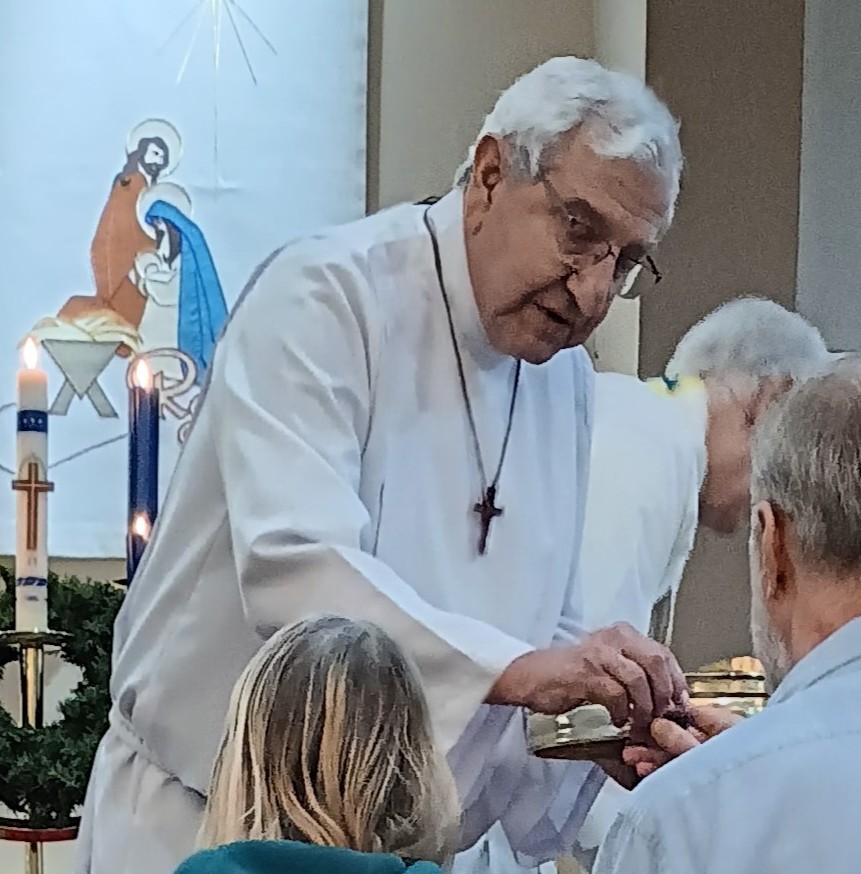
Mentorship is the cornerstone of our in-situ pedagogy. You will be paired with experienced leaders who will guide you through the complexities of pastoral life. These mentors help you bridge the gap between theological theory and the practical needs of your congregation.
Unlike a traditional professor in a remote setting, your mentors see you in action. They can offer real-time encouragement and correction, helping you refine your skills in a supportive environment. This relationship is often cited by our students as the most transformative part of their seminary experience.
The bond between a student and a mentor mirrors the biblical model of discipleship. It is through these relationships that the wisdom of the church is passed down from one generation to the next. We are dedicated to fostering these connections to ensure that our graduates are grounded in the faith and wise in their leadership.
Preparing for Your Future Call
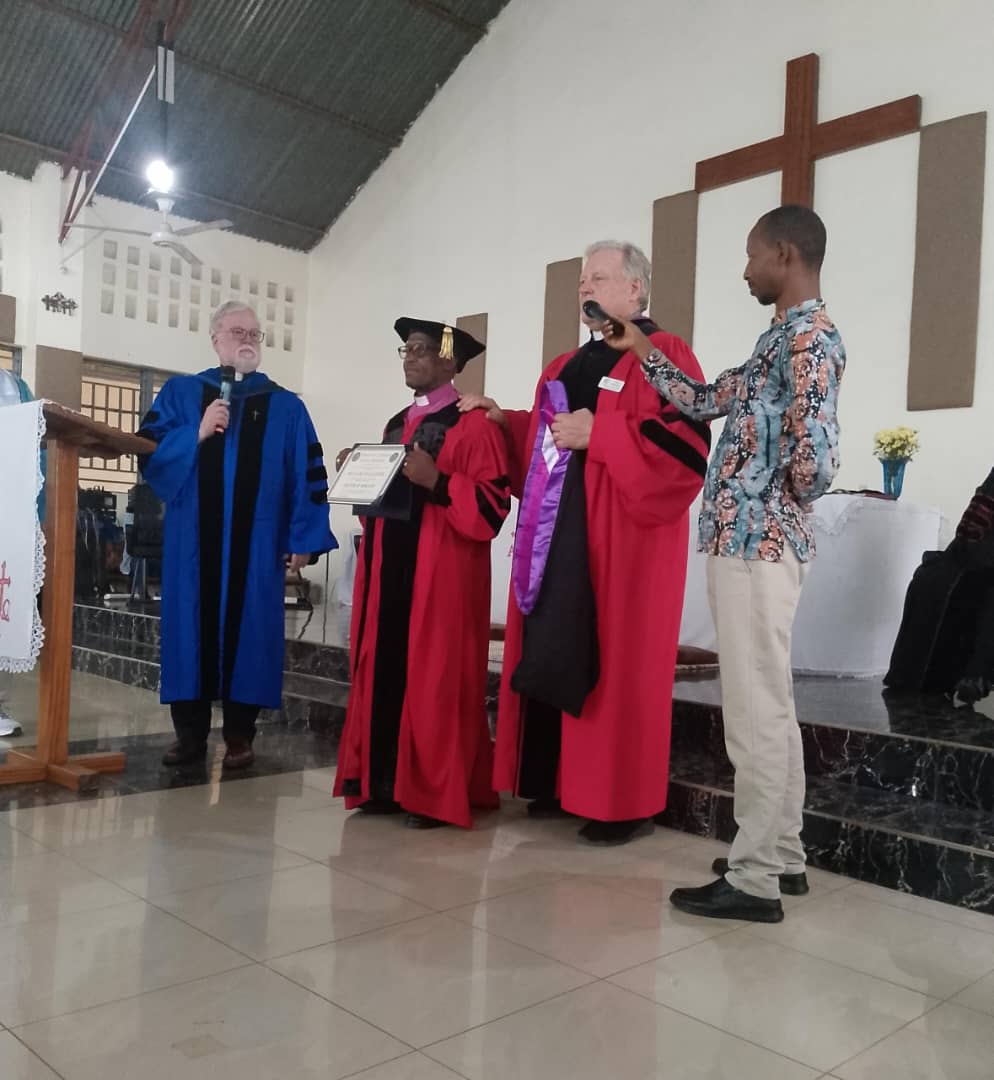
As you move toward the completion of your Master of Divinity, you will feel a growing sense of confidence in your calling. You will have a portfolio of work that demonstrates your competencies and a deep understanding of the Lutheran tradition. You will be prepared to lead with integrity, compassion, and theological depth.
The transition from student to pastor is a sacred journey. By choosing a program that values your local context and your current vocation, you are making a commitment to a holistic form of preparation. You are not just earning a degree; you are becoming the leader that God has called you to be.
We invite you to join a community of learners who are dedicated to the mission of the gospel. Whether you are currently serving in a local church or are just beginning to discern your call, we have a place for you. Together, we can work toward a future where every community has access to well-trained and passionate pastoral leadership.
For more information or to discuss your personal discernment and formation plan, please reach out to us via email at Team@ELGS.org. We would be excited to speak with you!
Comments