
Looking for an Affordable Seminary Online? 10 Things to Know
Meta description: Compare an affordable seminary online by reviewing accreditation, total cost, hidden fees, flexible learning, and debt-conscious ministry formation at ELGS.
URL slug:/post/affordable-seminary-online
Scheduled publication: September 21, 2026, at 9:00 AM ET
For anyone searching for an affordable seminary online, the advertised tuition is only the beginning. Prospective students should compare accreditation, financial aid, travel requirements, lost income, learning structure, and the total cost of completing a pastoral ministry degree.
Emmanuel Lutheran Global Seminary approaches theological education differently. Students learn in context, remain engaged in their churches and communities, and pursue formation through a competency-based model designed for working adults and global learners.
The following ten points can help future seminarians make a wise, faith-centered, and financially responsible decision.
1. Accreditation affects value, recognition, and financial aid
Accreditation provides an important measure of academic quality and institutional accountability. An accredited seminary has undergone review by an external accrediting agency, which evaluates areas such as curriculum, faculty, governance, student services, and educational outcomes.
The Association of Theological Schools explains how accreditation supports quality in theological education. Students should also understand that accreditation does not automatically guarantee federal financial aid. A school must meet additional requirements and participate in eligible aid programs.
The U.S. Department of Education accreditation database can help students verify institutional information and recognized accrediting agencies.
Ask admissions:
Which accrediting agency recognizes the institution or program?
Is the specific degree approved for the intended form of study?
Does the institution participate in federal financial aid?
Are scholarships, grants, or institutional payment plans available?
ELGS identifies its Master of Divinity as ATS-accredited and lists scholarships and financial aid as available. Prospective students should contact admissions to review their individual options.
2. Advertised tuition is not the same as total cost
A low price per credit may look attractive, but it does not always show the full financial commitment. Some programs add technology fees, student service fees, course materials, assessment fees, graduation charges, or field education costs.
Students comparing an online seminary accredited by a recognized agency should calculate the complete cost of the degree. The comparison should include tuition, books, travel, housing, technology, required intensives, and the income that may be lost while attending classes or residencies.
A useful total-cost formula is:
Tuition and required fees
Books and learning materials
Transportation and lodging
Residency or intensive expenses
Childcare or family support
Reduced work hours or lost income
Application and graduation charges
This approach gives students a more accurate picture of their return on investment.
3. Hidden travel and residency costs can change the budget
Many programs described as flexible still require students to attend campus-based intensives, residency weeks, preaching labs, or formation retreats. These requirements may be valuable, but they can also involve airfare, fuel, lodging, meals, and unpaid time away from work.
A student should ask for all residency requirements in writing before enrolling. One or two required trips each year can add thousands of dollars to a degree, especially for international students or working adults with family responsibilities.
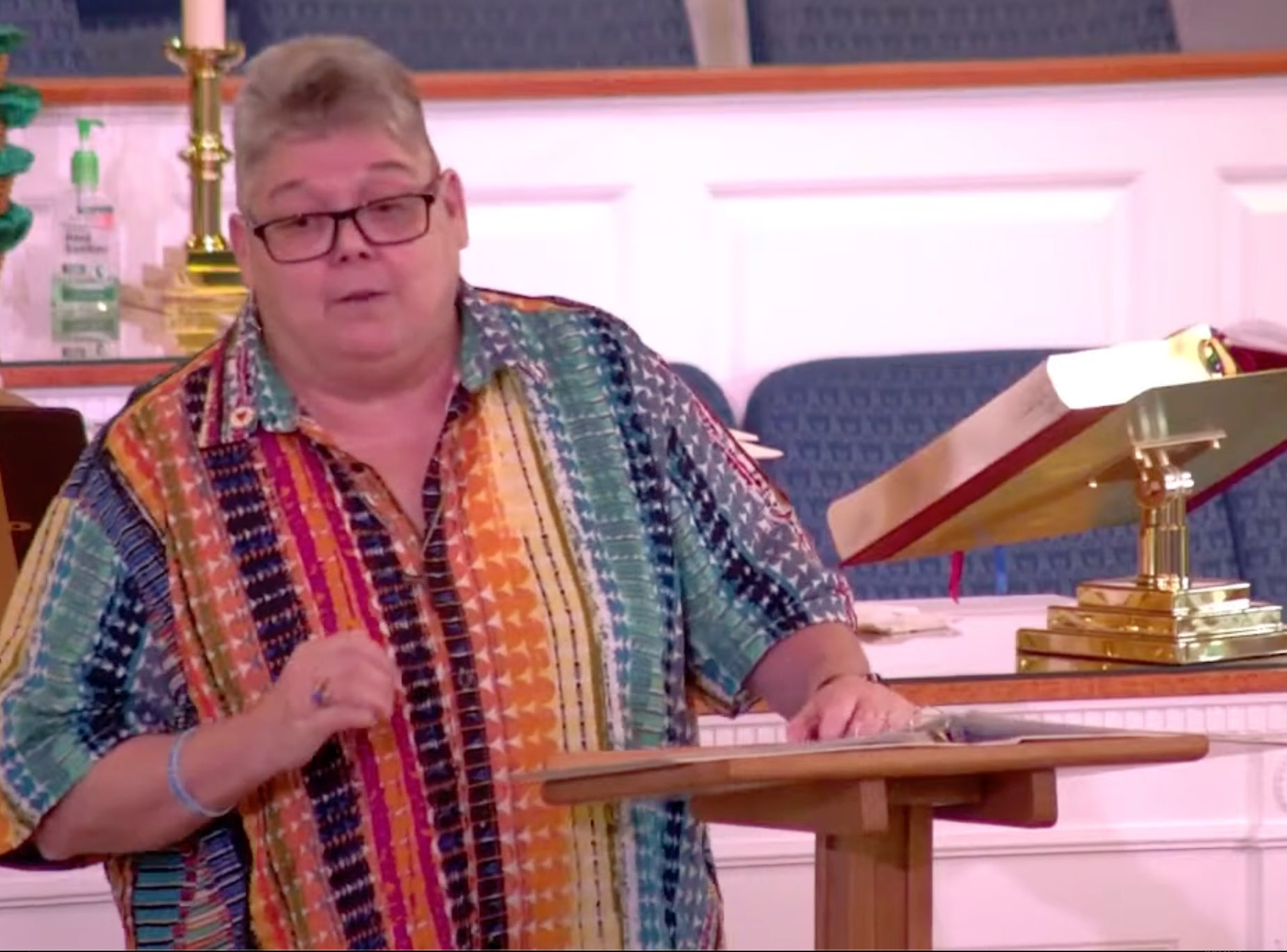
ELGS emphasizes learning in the student’s ministry context. Its mission explains how students can continue working, serving their congregations, and learning within their communities. This in-situ approach may reduce relocation costs and help students remain connected to the people they are preparing to serve.
4. Relocation may create a larger financial burden
Traditional seminary education may require a student to move closer to campus. Relocation can create expenses beyond tuition, including rent, utilities, transportation, moving costs, and changes in employment.
For students with spouses, children, or established ministry responsibilities, relocation may also disrupt family stability and congregational service. A program that allows students to remain in their communities can protect both income and relationships.
Before choosing a seminary, prospective students should ask whether they can complete the degree while remaining employed and active in their current congregation. The best program is not always the one with the lowest listed tuition. It may be the one that allows the student to continue earning while receiving rigorous theological formation.
5. Monthly or flat-rate tuition can make planning easier
Per-credit tuition can make it difficult to predict the final cost of a degree. Monthly, subscription-style, or flat-rate tuition may offer a clearer path for budgeting, especially when the amount remains stable during a defined period.
ELGS states that tuition for its Master of Divinity program is capped at $300 per month. This structure gives students a consistent figure for financial planning and can reduce the uncertainty created by changing course loads or additional fees.
Students should still ask what the monthly amount includes. They should clarify whether the payment covers mentoring, assessments, required learning experiences, books, and other program charges.
A clear tuition model should answer three questions:
What is the regular payment?
What services and requirements are included?
What additional charges could arise before graduation?
6. Competency-based theological education can reduce tuition barriers
Traditional education often measures progress by seat time, course schedules, and fixed academic terms. Competency-based theological education focuses on what students can demonstrate through learning, reflection, ministry practice, and assessment.
This model may be especially helpful for adults who already have professional experience, church responsibilities, or ministry leadership roles. Students can connect their education to actual work in preaching, pastoral care, worship, Christian education, administration, and community service.
A competency-based model may also improve the return on investment because learning is immediately applied. Instead of separating study from ministry, students develop skills while serving in real settings.
The ELGS degree programs describe a competency-based, context-focused learning model supported by faculty, pastoral, and personal mentors.
7. Flexible pacing can help students keep working
Many prospective seminarians are not able to leave employment for full-time study. They may be supporting a family, leading a congregation, working in a public profession, or serving as a volunteer ministry leader.
A flexible program should recognize these responsibilities rather than treat them as obstacles. Self-paced or customized learning can help students organize their work around ministry seasons, family commitments, and professional obligations.
Flexibility does not mean lower academic standards. It means that students demonstrate learning through purposeful work, theological reflection, and practical application. The goal is to form capable pastoral leaders without forcing every student into the same schedule.
8. In-situ formation protects income and strengthens ministry
In-situ formation means that education takes place within the student’s actual ministry and vocational setting. The congregation, workplace, community, and family environment become important places for theological reflection and practical growth.
This approach can lower the financial cost of education because students do not need to stop working or leave their communities. It can also deepen the quality of learning because students address real questions involving pastoral care, leadership, worship, ethics, and mission.
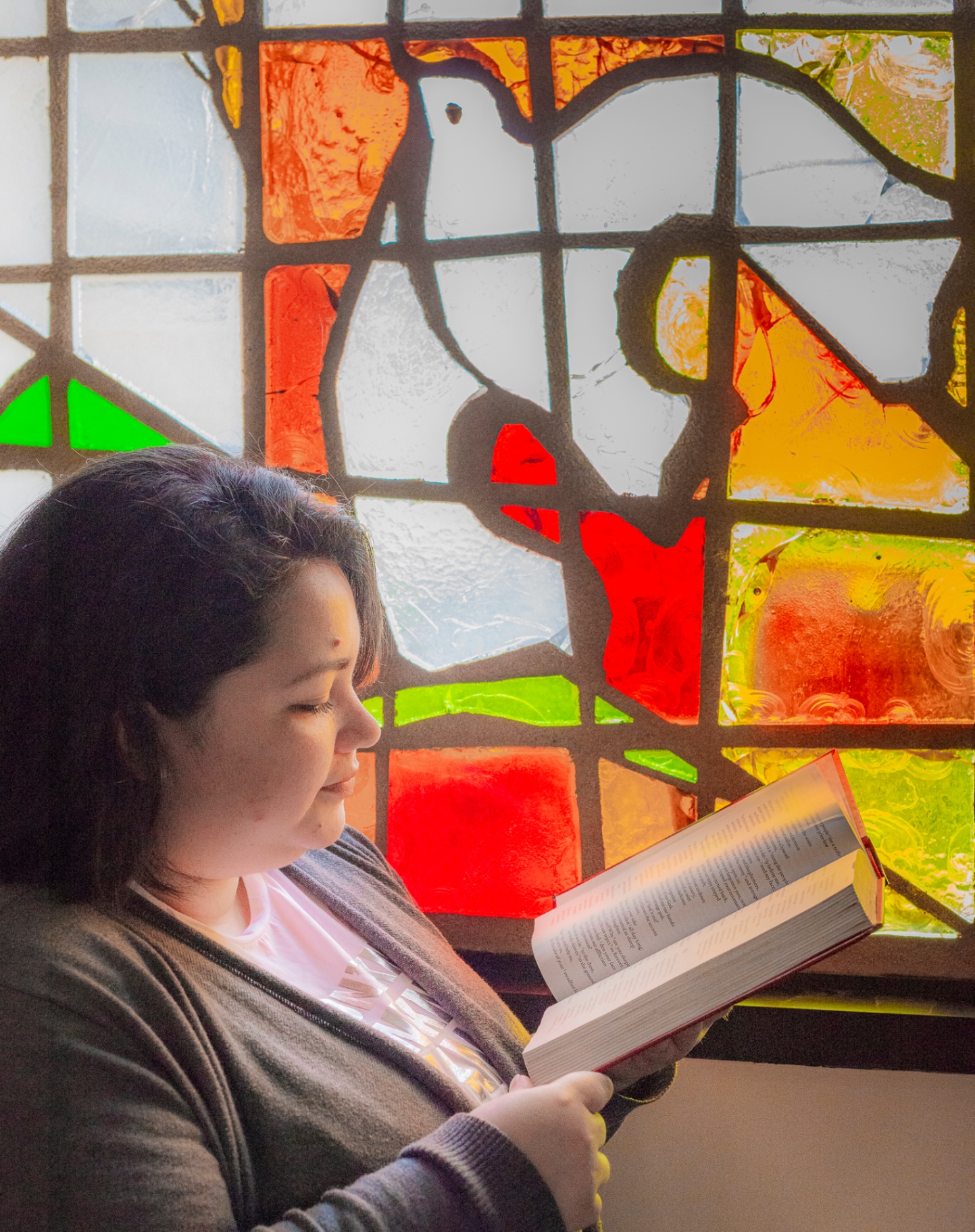
ELGS intentionally connects education with the student’s church and ministry context. This commitment supports a stronger relationship between academic study and faithful service.
9. Compare the return on investment, not only the tuition
The return on investment for theological education includes more than future compensation. It includes preparation for faithful leadership, greater pastoral competence, stronger biblical literacy, improved communication, and the ability to serve a congregation with wisdom and care.
Debt also affects the long-term value of a degree. Students should ask whether the program allows them to graduate without the burden of traditional debt. A lower monthly cost, continued employment, and reduced travel expenses may protect a student’s financial health after graduation.
When comparing a pastoral ministry degree, consider:
Total tuition and fees
Expected time to completion
Ability to keep working
Access to mentoring and pastoral formation
Preparation for ordination or denominational service
Transferability and recognition of the degree
Scholarship and payment options
Long-term debt exposure
Affordable education should support both vocational calling and responsible stewardship.
10. Ask admissions for a complete cost explanation
A trustworthy admissions office should welcome detailed financial questions. Students should not feel pressured to enroll before they understand the program’s academic, spiritual, and financial expectations.
Before submitting an application, ask admissions:
What is the estimated total cost from enrollment through graduation?
Are tuition rates fixed or subject to change?
Are there required campus visits, residencies, or travel weeks?
What fees are separate from tuition?
Can students continue working throughout the program?
How does the program assess competency and progress?
What mentoring and formation support are included?
Which scholarships or financial aid options may apply?
How does the degree support denominational or ordination pathways?
What happens if a student needs to reduce the pace of study?
The ELGS request information page provides a starting point for this conversation. Students can also review the Master of Arts program if their vocational goals call for theological study focused on leadership, pastoral care, spiritual formation, chaplaincy, or another area of ministry.
ELGS is committed to removing financial barriers
The call to ministry should not be limited by excessive tuition, relocation requirements, or traditional academic structures. Emmanuel Lutheran Global Seminary provides flexible, affordable, and academically rigorous theological education for students who are pursuing pastoral leadership while continuing to serve their families, workplaces, and congregations.
Its competency-based and context-focused model connects theological study with faithful action. Through mentoring, practical ministry experience, and educational formation, students can deepen their calling while preparing for service in the church and the wider community.
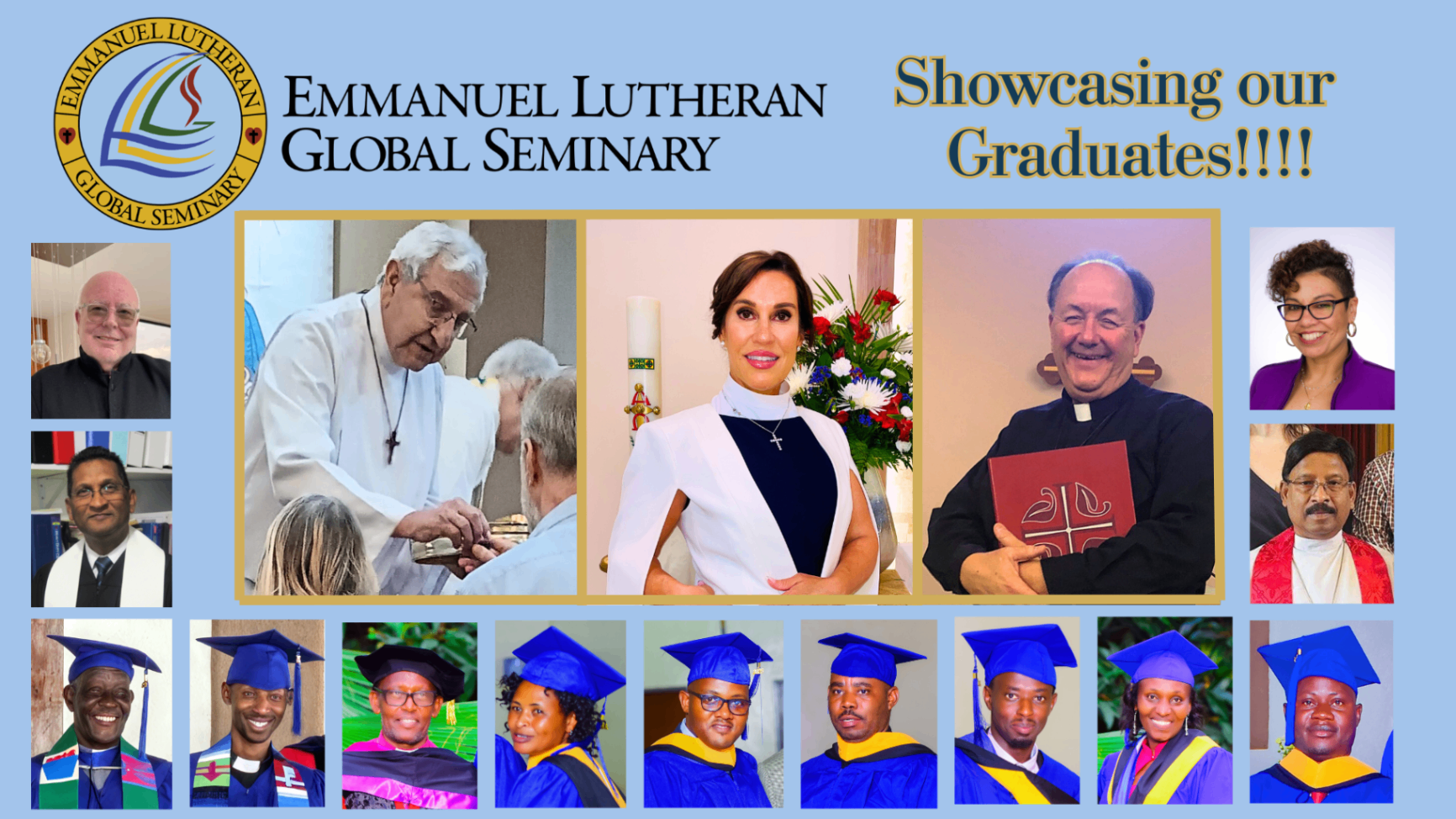
For prospective students, the most important comparison is not simply which institution has the lowest advertised tuition. It is which program offers recognized quality, transparent costs, practical formation, flexible participation, and a responsible path toward ministry leadership.
Those who are discerning a call to pastoral ministry are invited to explore the ELGS mission, review the available programs, and begin a conversation about their educational future. By removing financial barriers to theological education, the church can prepare more faithful, capable, and compassionate leaders for communities in need.
For more information or to discuss your personal discernment and formation plan, please reach out to us via email at Team@ELGS.org. We would be excited to speak with you!
Comments