
Distance Learning Pastoral Ministry: Why In-Context Beats the Commute
Meta description: Distance learning pastoral ministry keeps formation close to your calling, congregation, and community, helping working adults study, serve, and grow in faith.
URL slug:/post/distance-learning-pastoral-ministry
Scheduled publication: Wednesday, August 12, 2026, at 9:00 AM ET, America/New_York
A call to pastoral ministry rarely arrives at a convenient time. It may become clear while a person is working full time, raising a family, serving a congregation, or caring for a community. Distance learning pastoral ministry offers a faithful response to that reality by bringing theological education into the student’s present context instead of requiring a complete move to a campus.
At Emmanuel Lutheran Global Seminary, students pursue theological formation while remaining engaged in the congregations, workplaces, and communities where God has already placed them. The result is a practical model of education that connects biblical study, spiritual growth, ministry leadership, and service to real responsibilities.
Why Distance Learning Pastoral Ministry Matters
Traditional campus education has served the church well, and it remains the right choice for some students. However, relocation can create serious barriers for working adults, international students, caregivers, and church leaders who cannot leave their communities for several years.
A distance learning model removes much of that strain. Students can continue serving their congregations while pursuing an accredited theological program, and they can study without placing every professional or family responsibility on hold.
In-context formation does not make theological education less serious. It makes theological education more connected to the work of ministry.
Pastoral leadership is learned through books, Scripture, prayer, and theological reflection. It is also learned through listening to a grieving family, leading worship, teaching a Bible study, organizing volunteers, responding to conflict, and recognizing the needs of a local community. When those experiences become part of the educational process, students can connect theory with practice as they grow.
The Association of Theological Schools identifies quality standards for theological education, including academic rigor and responsible preparation for ministry. Students evaluating a program should also speak with their denominational leaders or candidacy committees to understand how a particular degree fits their ecclesiastical pathway.
From Campus Commute to Congregational Context
A campus-based program often separates learning from ministry practice. A student may read about pastoral care in a classroom and then apply that knowledge weeks later in a different setting. In-context education narrows that gap.
At ELGS, students work with a mentor team to shape learning experiences around their current or desired vocational context. A student who is developing a youth ministry program may use that work as a contextual project. A student leading worship may connect worship planning with theological reflection, pastoral practice, and congregational leadership.
This approach allows education to address questions that are already present in the student’s ministry:
How can a congregation welcome new families more effectively?
How should a pastor respond to grief, conflict, or spiritual doubt?
What theological principles should guide a community outreach program?
How can worship and preaching speak clearly to a changing congregation?
What leadership practices will help a church serve its neighbors?
Instead of treating these questions as separate from academic work, a competency-based program helps students examine them carefully, act with wisdom, and reflect on the results. Each project can become evidence of growing ministerial skill.
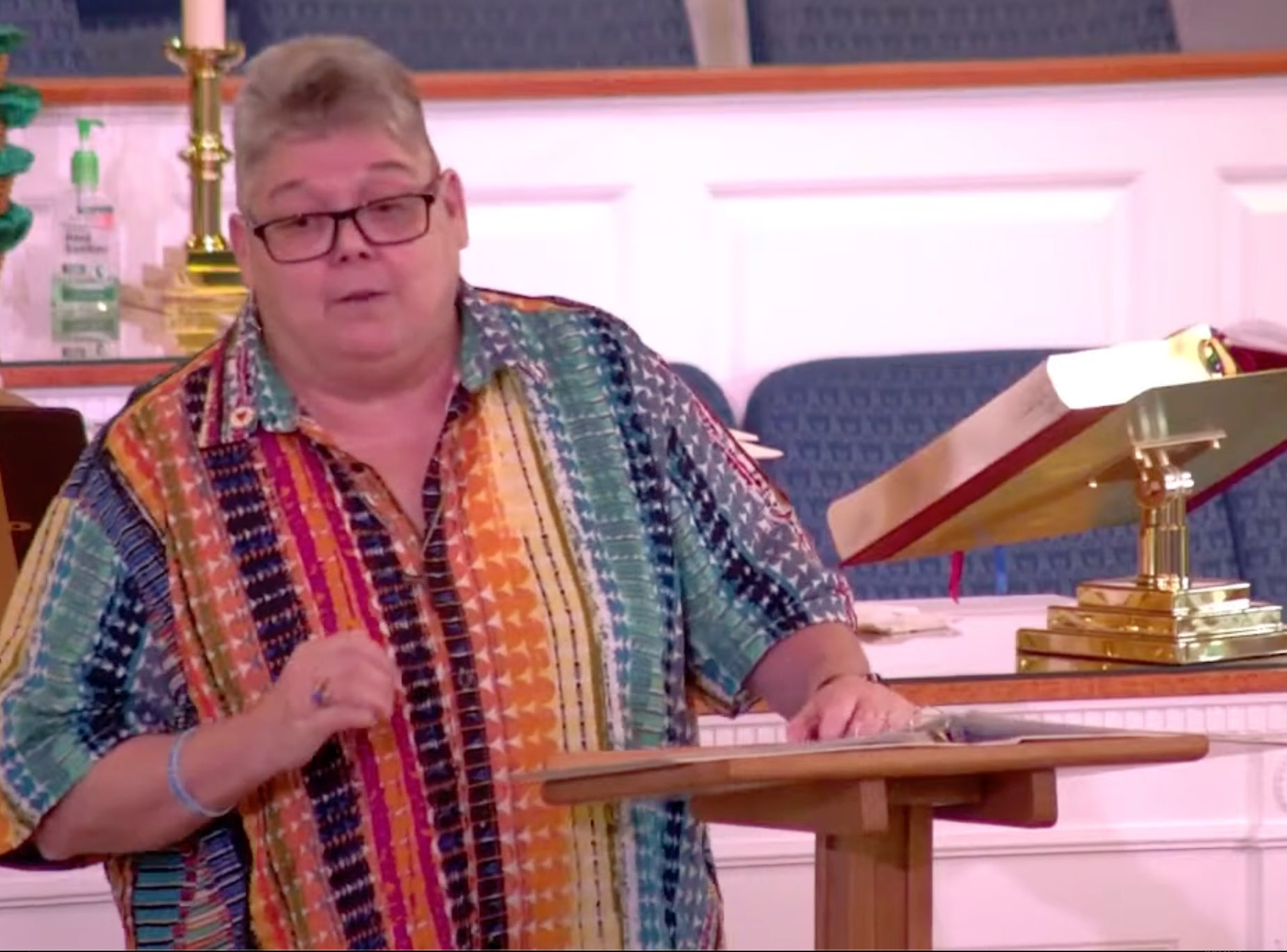
Theological education is strengthened when biblical study and ministry practice remain connected.
How the ELGS Competency-Based Model Works
Competency-based theological education focuses on what a student can understand, practice, and demonstrate. Progress is measured through integrated outcomes rather than through time spent commuting to a classroom.
The ELGS Master of Divinity program brings together formation, biblical study, vocational discernment, theological reflection, and integrated practice. Students develop competencies in areas such as biblical interpretation, Christian tradition, theology, worship, ethics, collaboration, pastoral care, cultural understanding, and continuing growth.
The learning process includes several connected elements:
This structure honors both academic excellence and the wisdom that comes through service. Students do not simply collect information. They pursue faithful action, examine their decisions, and deepen their ability to lead the church with humility and courage.
A Flexible Path for Working Adults
Many people discerning a pastoral call already have significant responsibilities. They may be employed in education, health care, business, nonprofit leadership, public service, or another profession. They may also be serving as lay leaders, assisting with worship, teaching children, or supporting a congregation through a season of transition.
Distance learning pastoral ministry allows those responsibilities to become part of the student’s formation rather than obstacles to it. Students can arrange learning around their vocational commitments, and they can apply theological insight immediately in the places where they work and serve.
This flexibility requires discipline. Students must manage schedules, meet academic expectations, communicate with mentors, and complete meaningful work. The model is not a shortcut. It is a structured path for adults who are prepared to take responsibility for their learning while remaining accountable to the church and the seminary.
The ELGS story reflects a commitment to theological education that serves students as whole persons. Academic preparation, spiritual formation, and vocational discernment are not competing priorities. They belong together.
A Global Model for Ministry Formation
A campus commute can be difficult for students who live far from a seminary or outside the United States. Travel restrictions, visa requirements, family obligations, local employment, and financial limitations can make relocation impossible.
A distance model creates greater access for students from different nations and cultures. It allows a student to study within the language, worship life, and social conditions of the community where ministry will take place. This matters because pastoral leadership is always contextual.
The Lutheran World Federation’s work in theological education recognizes the importance of strengthening theological capacity across the global Lutheran communion. Churches need leaders who understand both the rich inheritance of Christian doctrine and the particular needs of their local communities.
Global students bring valuable insight to theological study. They help peers consider how the gospel is proclaimed across cultures, how congregations respond to poverty and migration, and how Christian leaders can serve with wisdom in diverse settings.
The ELCA’s explanation of faith and Christian service also emphasizes that faith frees Christians to love and serve the neighbor. In-context learning gives students an opportunity to examine what that service requires in their own communities.

Prayer, Scripture, and theological reflection remain central to pastoral formation.
The Return on Investment of In-Context Education
The value of theological education should be measured by more than the title printed on a diploma. A strong program should help a student grow in wisdom, improve ministry practice, serve people more faithfully, and prepare for long-term leadership.
In-context education can offer a meaningful return on investment because learning is connected to work that already matters. A student may develop a congregational care plan, improve a discipleship process, strengthen preaching, train volunteers, or create a ministry response to a local need. These projects can benefit the church while also demonstrating academic and vocational progress.
Affordability is equally important. Prospective students are rightly concerned about debt and the long-term cost of ministry preparation. ELGS is committed to accessible theological education that helps students pursue their calling responsibly. An affordable, competency-based path can help future leaders graduate without the burden of traditional debt while preparing them for faithful service.
The goal is not simply to spend less. The goal is to invest wisely in formation that produces lasting value for the student, the congregation, and the wider community.
From Present Service to Future Ministry
A student may begin with a question about calling and gradually discover a clearer sense of vocation through study and service. The process often moves from present responsibilities toward future leadership.
A working adult may begin by applying theological reflection to a current church role. An international student may develop ministry competencies within a local congregation while learning from peers across cultures. A church leader may pursue the Doctor of Ministry program to address a significant ministry challenge through a focused project.
In each case, progress involves more than professional advancement. Students are deepening their spiritual lives, strengthening their understanding of Scripture, and learning to recognize where the Holy Spirit is guiding their service.
The future state is not only a new position or academic credential. It is a pastor, theologian, chaplain, educator, or church leader who is better prepared to preach, teach, lead, train, serve, and transform communities through faith in action.
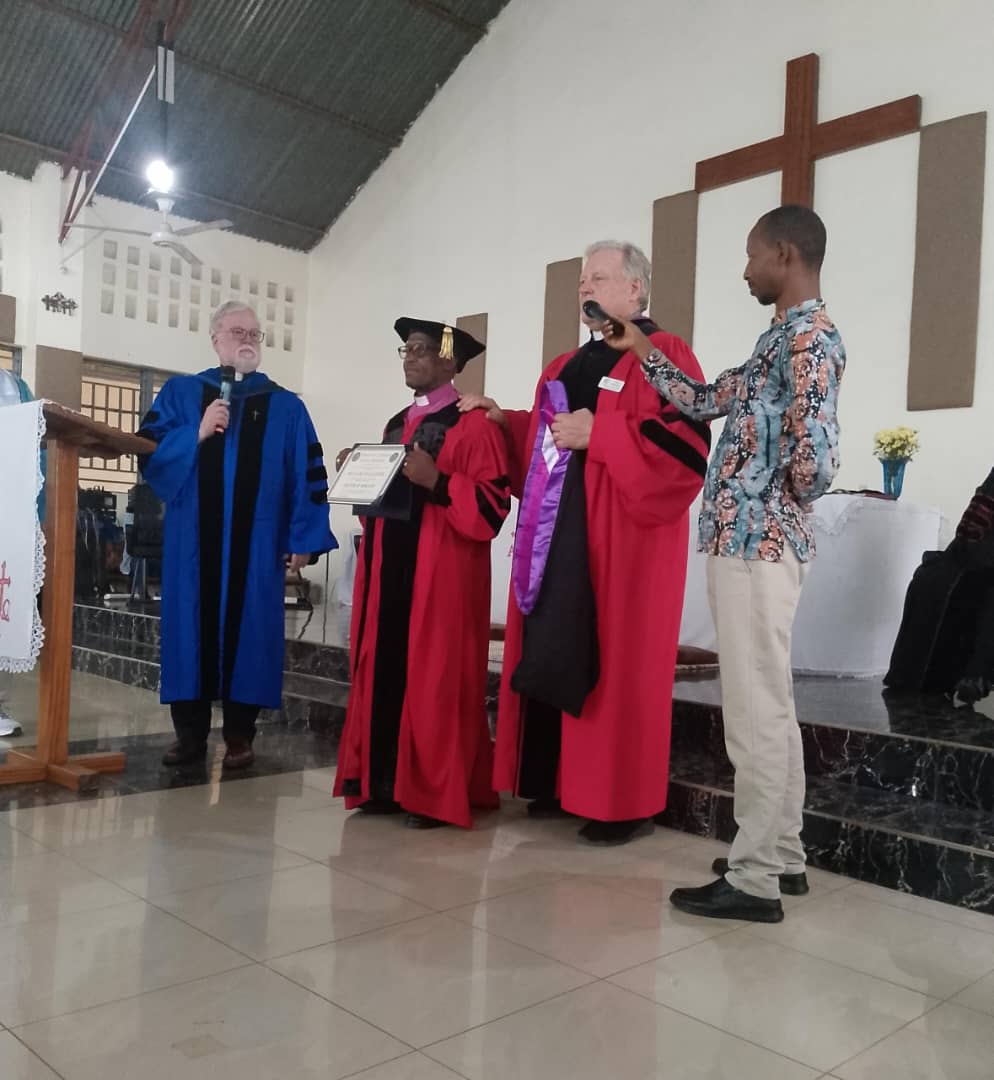
Graduation marks both academic achievement and readiness for continued ministry.
Take the Next Faithful Step
Distance learning pastoral ministry is not about avoiding formation. It is about placing formation where ministry is already happening. Through mentoring, theological study, contextual projects, peer reflection, and demonstrated competencies, students can prepare for future leadership without abandoning the people and responsibilities entrusted to them today.
For those discerning a call, the next step may begin with a conversation. Learn more through the ELGS request information page, review the available programs, and consider how theological education can serve the congregation and community already before you.
When students remain close to their ministry context, the church benefits from leaders whose education is tested by service and shaped by real human needs. Emmanuel Lutheran Global Seminary invites students, congregations, mentors, and ministry partners to participate in a shared mission of faith, love, and excellence in theological education.
For more information or to discuss your personal discernment and formation plan, please reach out to us via email at Team@ELGS.org. We would be excited to speak with you!
Comments