
From Campus-Bound to In-Context: An Affordable Seminary
For many people discerning pastoral ministry, choosing an affordable seminary means weighing more than tuition. Relocation, housing, travel, and lost income can add substantial costs to a campus-based path. Emmanuel Lutheran Global Seminary offers another way: competency-based theological education shaped around the student’s ministry context, with advertised tuition of $300 per month and scholarship opportunities.
This approach invites the Pastoral Candidate to remain engaged in work, family, and local church life while pursuing academic and spiritual formation. The goal is not simply to reduce expenses. It is to prepare faithful leaders who can apply theological learning in service of their communities and, where circumstances allow, graduate without the burden of traditional debt.
The hidden costs of a campus-bound seminary
A residential program may offer valuable academic community and formation. Yet a student who must relocate may also need to find housing, move family members, travel, and adjust or leave employment. These costs vary by location and household, but they belong in any honest comparison of educational options.
The financial picture can include more than a tuition statement:
Relocation and housing: Moving to a new city can bring deposits, rent, utilities, and other start-up expenses.
Income and work changes: Leaving a job or reducing hours can affect household stability and future earnings.
Travel and family commitments: Regular journeys to campus, childcare, or support for dependents may add to the total cost.
These concerns do not make a residential education wrong for every student. They do mean that prospective Seminarians should compare the full cost of attendance and the demands on their lives, not tuition alone.
The Association of Theological Schools has examined educational debt among theological school students and graduates. Debt experiences vary, but the research reinforces the importance of asking clear financial questions before enrollment.
In-context formation: learning where ministry happens
At ELGS, students pursue formation within the settings where they live, work, and serve. A congregation or community is not simply an example to discuss after class. It can become a place where theological insight meets the practice of ministry, with learning connected to real responsibilities and local needs.

This model can suit working adults, second-career leaders, and people already serving in congregations. Rather than asking a student to step away from every existing responsibility, in-context study helps connect those responsibilities with vocational development. A Pastoral Candidate may deepen skills in biblical interpretation, preaching, worship, pastoral care, or leadership while remaining present to the people they serve.
ELGS describes its educational model as competency-based. Students focus on demonstrating capabilities for ministry, not only completing a set amount of classroom time. With guidance from a mentor team, a learning experience may connect with the student’s current vocation or a developing area of service.
Learn more about the ELGS Master of Divinity program and its contextual learning approach. The program page explains the outcomes and mentor support that shape student formation.
What $300 per month means for the return on investment
ELGS lists Master of Divinity tuition at $300 per month, or $3,600 across 12 months at that rate. This figure gives prospective students a useful starting point for planning. It is not, by itself, a complete estimate of the total cost of a degree, since a student’s duration of study and other possible expenses will differ.
A responsible return-on-investment comparison looks at the whole picture. It considers tuition, possible scholarship support, books or other program costs, travel needs, and the income a student can maintain while studying. It also considers what the student gains: theological knowledge, ministerial competencies, guided vocational reflection, and preparation for service.
In-context learning may reduce or avoid some relocation and residential expenses because the student can remain in their own community. Continuing to work may also help preserve income. These are potential financial advantages, not a promise that every student will have no additional expenses or graduate debt-free.
For a clear estimate, prospective students should ask ELGS admissions to confirm current tuition, program fees, expected study timeline, any travel or in-person requirements, and scholarship terms. This step supports informed stewardship and helps families plan with confidence.
Scholarships and a careful path toward lower debt
ELGS states that scholarship support is available to help make theological education accessible. Its scholarship opportunities page and admissions information are useful starting points for students seeking current details.
Scholarship availability does not mean that every applicant will receive an award or that every cost will be covered. Eligibility, award amounts, duration, and covered expenses should be confirmed directly with the seminary. Students can ask admissions which documents are required and whether funding can be renewed as they progress.
When tuition is manageable, scholarship support is secured, and major relocation costs are avoided, some students may be able to graduate without the burden of traditional debt. That outcome depends on each student’s circumstances and the final financial plan. The key is to discuss the full cost before enrolling rather than relying on assumptions.
A practical planning process can help:
Clarify the calling and education goal. Identify the desired degree, ministry context, and any denominational requirements.
Request a full cost estimate. Ask about tuition, fees, duration, materials, travel, and possible changes to the published rate.
Explore scholarships early. Confirm eligibility, deadlines, award conditions, and what costs the support covers.
Compare the whole investment. Include housing, moving expenses, employment changes, and the value of staying connected to the local congregation.
Academic rigor and practical ministry
Affordability matters, but it should not stand alone. Theological preparation calls for disciplined study, spiritual maturity, and the ability to serve faithfully across the varied needs of a congregation. A strong formation plan brings academic work into conversation with prayer, mentorship, community life, and practical responsibility.
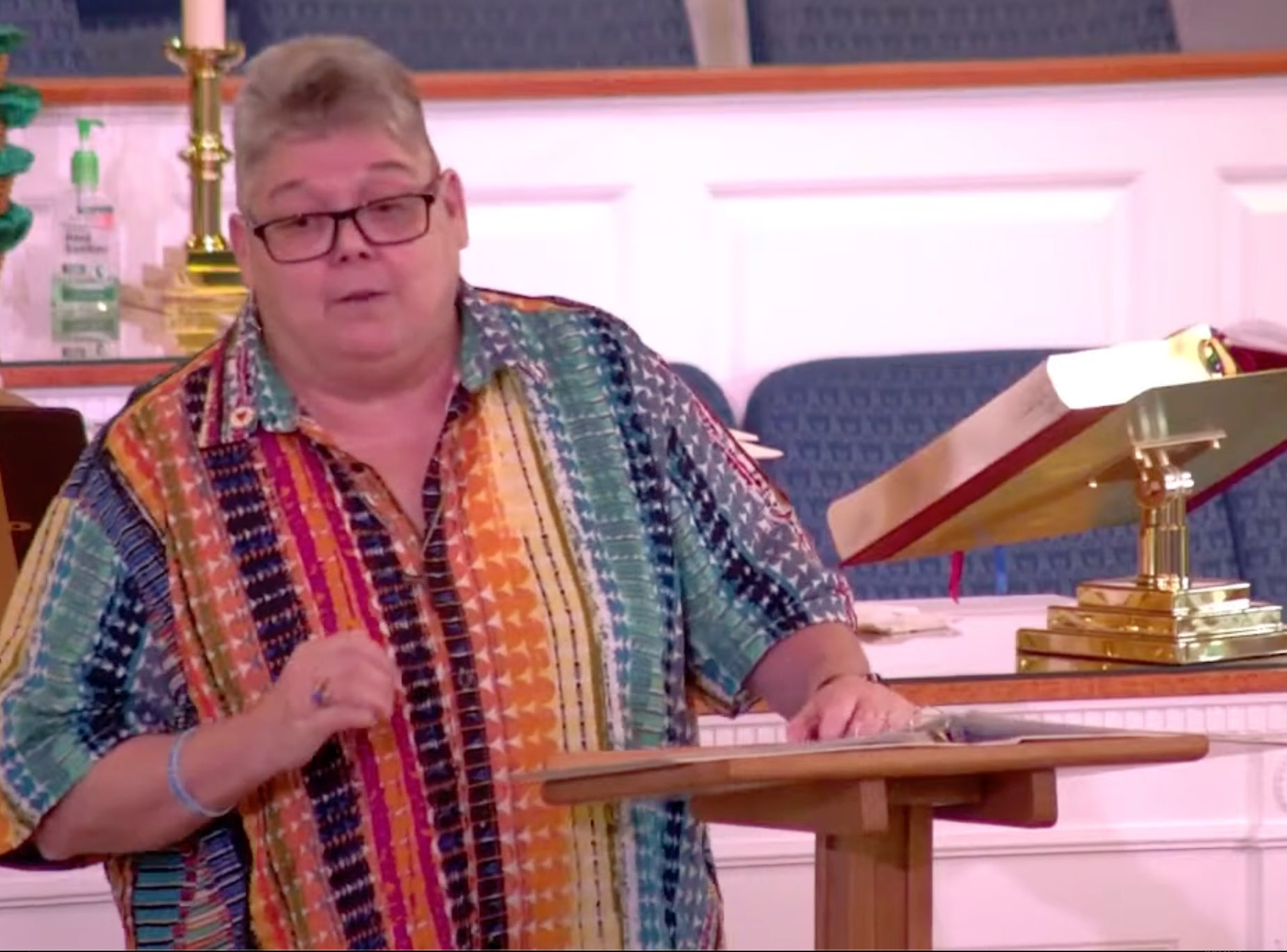
ELGS’s programs include degrees shaped around theological learning and practical ministry experience. The Master of Divinity page states that the degree is issued by its affiliated academic partner, an ATS-accredited institution. Prospective students should discuss accreditation, degree details, and any denominational candidacy requirements with admissions and their church or synod.
Formation also involves discernment with others. The ELCA call process describes a journey that includes guidance and communal discernment. Seminary education can support that work, while the relevant church bodies and candidacy processes help determine preparation for specific forms of public ministry.
From local formation to shared mission
An affordable seminary can make theological study more attainable when students can remain rooted in their communities, pursue competencies in context, and plan carefully for tuition and scholarship support. ELGS’s model is intended to connect rigorous theological education with the congregation and community where ministry takes shape.
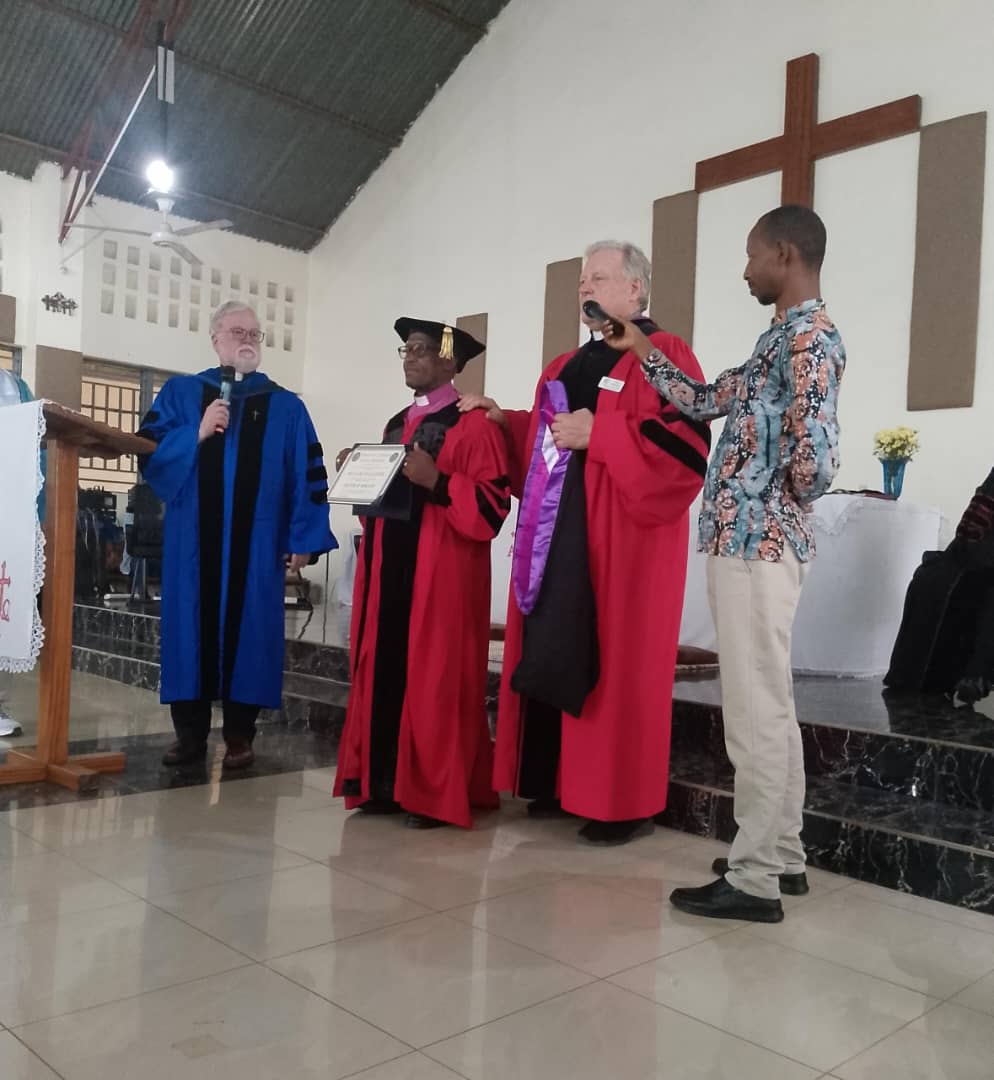
For a student discerning ministry, the return on investment is both practical and vocational. Financial planning can protect household stability, while mentor-guided study helps deepen the wisdom and skills needed for preaching, teaching, leadership, and care. The wider church benefits when leaders are prepared to serve in the places where they are called.
Explore ELGS’s mission, and consider how a flexible, in-context path might serve a personal call and the needs of a local faith community. Together, students, congregations, mentors, and educators can help form leaders for faithful service across communities worldwide.
For more information or to discuss your personal discernment and formation plan, please reach out to us via email at Team@ELGS.org. We would be excited to speak with you!
Comments