
From Faithful Discernment to Pastoral Excellence: Biblical Leadership Principles for a Changing World
The landscape of spiritual leadership is undergoing a profound transformation as we navigate the complexities of 2026. Aspiring pastors and church leaders are increasingly seeking a return to foundational truths while adapting to a rapidly shifting societal environment. At the heart of this movement is a commitment to biblical leadership principles that prioritize service over status and community over institution.
This article explores the journey from initial spiritual discernment to the achievement of pastoral excellence. It illustrates how the integration of rigorous academic standards and practical, in-context learning creates leaders who are prepared to transform their communities. By focusing on stewardship and the pursuit of a debt-free education, the modern student can step into their calling without the traditional financial burdens that often hinder ministry.
The following narrative follows the progression of a faithful leader as they engage with the core values of theological education. Through this exploration, we will define the essential qualities required for effective ministry in the current era. We invite you to consider how these principles might shape your own path toward leadership and service.
The Foundation of Servant Leadership in 2026
The primary requirement for any individual entering the ministry is a heart dedicated to the service of others. In the contemporary context, this is often described as servant leadership, a concept deeply rooted in the life and teachings of Jesus Christ. As students begin their journey at Emmanuel Lutheran Global Seminary, they are encouraged to reflect on the biblical pattern of greatness through service.
A leader must prioritize the needs of the congregation and the surrounding neighborhood above personal ambition or visibility. This commitment to biblical leadership principles ensures that the ministry remains focused on the spiritual and physical well-being of the people. In 2026, where digital metrics and personal branding can easily distract, the servant leader remains an anchor of authentic presence and humility.
The pursuit of holiness and character stands as the second pillar of this foundation. Scripture teaches that leaders are to be above reproach, displaying self-control and hospitality in all their interactions. This emphasis on character over charisma is essential for building long-term trust within a community.
Pursuing Competency-Based Learning in Context
The transition from theory to practice is a critical stage in the development of a pastoral leader. Traditional models of education often separate the student from the very community they are called to serve. However, the current educational pedagogy emphasizes learning that occurs directly within the life of the local church and the community.
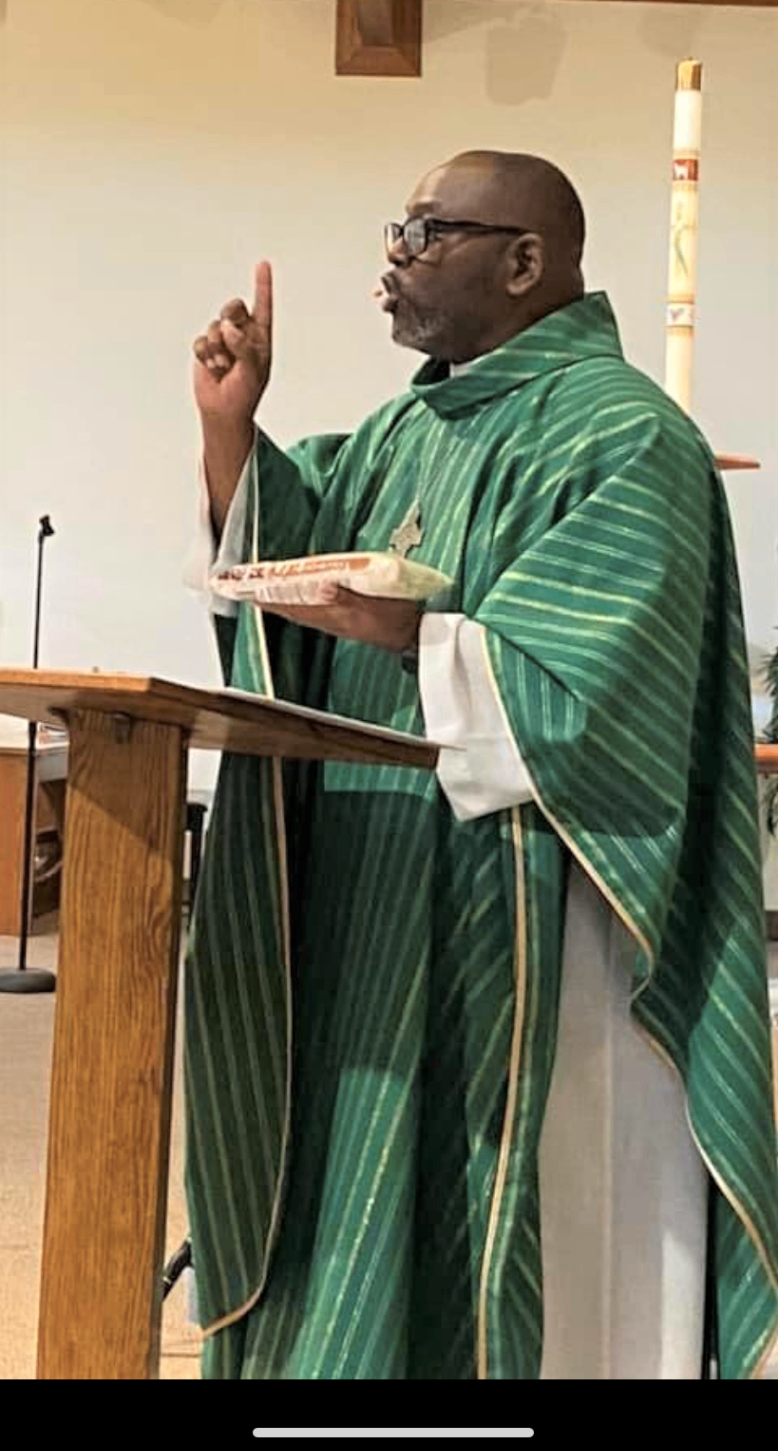
This competency-based approach allows the student to apply theological concepts to real-world situations immediately. For example, a student might study the theology of the sacraments while simultaneously assisting a mentor in the administration of Holy Communion. This integration ensures that the education is not merely an academic exercise but a form of active ministerial training.
By engaging in this manner, the student develops the practical skills needed for preaching, training, and serving. They learn to navigate the specific challenges of their own neighborhood, whether that involves urban revitalisation or rural outreach. This "in context" model fosters a deep sense of connection and accountability to the local body of believers.
The Return on Investment: Stewardship and Debt-Free Education
In 2026, the financial implications of theological education are a primary concern for those discerning a call to ministry. Many prospective students are hyper-aware of the risks associated with high levels of student debt. Therefore, a central component of biblical leadership principles is the wise stewardship of personal and institutional resources.
Emmanuel Lutheran Global Seminary is committed to providing affordable pathways that allow students to graduate without the burden of traditional debt. This focus on affordability is not merely a financial strategy; it is a spiritual commitment to the future of the church. When a leader is free from financial strain, they are better equipped to serve in areas where resources may be limited.
Prospective students should evaluate the "Return on Investment" of their education in terms of both financial stability and ministerial readiness. A debt-free education provides the freedom to follow the Holy Spirit's leading without the constraint of loan repayments. This financial liberty enables a more robust and sustainable lifelong ministry for the individual and the community.

Leading through Team-Based Collaboration
The model of the solitary, superstar pastor is increasingly being replaced by a team-based, collaborative approach to leadership. The New Testament highlights the importance of a plurality of elders and the diverse gifts within the Body of Christ. Effective leaders in 2026 are those who excel at equipping others for the work of ministry as described in Ephesians 4.
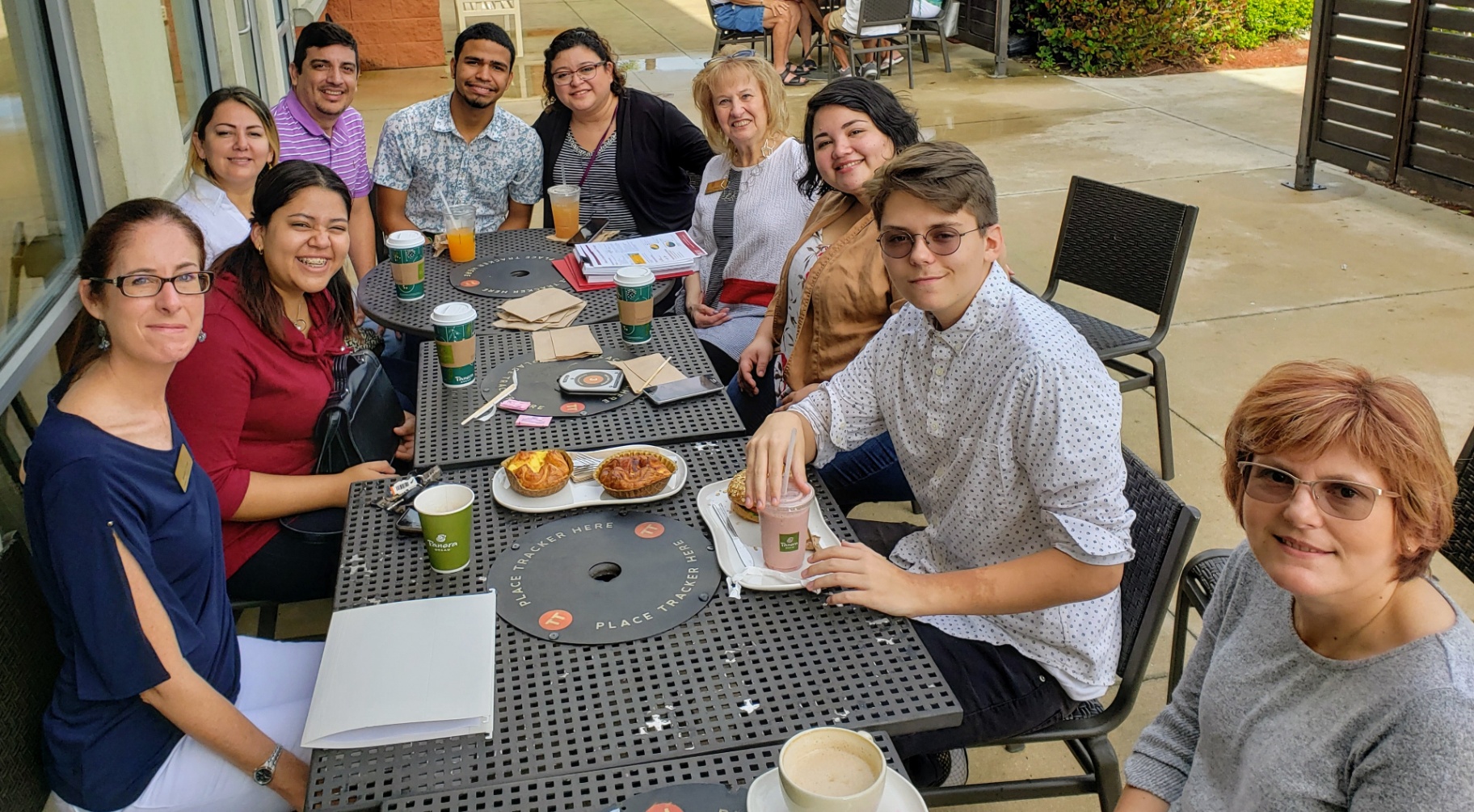
Collaboration allows for a broader range of perspectives and skills to be brought to bear on the mission of the church. This approach reduces the risk of leader burnout and fosters a culture of shared responsibility and mutual support. It also encourages the participation of younger generations, such as Gen Z, who value authenticity and teamwork.
A collaborative leader seeks to identify and nurture the gifts of those around them. They create pipelines for leadership development, ensuring that the congregation is not dependent on a single individual. This multiplication of leadership is a vital strategy for the long-term health and growth of any ministry.
Transforming Communities through Faith in Action
The ultimate goal of theological education is the transformation of communities through the power of the Gospel. Biblical leadership principles call for an incarnational mission that seeks the peace and prosperity of the city. This means that ministry must extend beyond the walls of the church building and into the everyday lives of the people.
Leaders are encouraged to identify the specific needs of their local context and to respond with compassion and wisdom. This might involve initiatives related to social justice, economic development, or healthcare advocacy. By demonstrating faith through action, the church becomes a visible sign of God's love and grace in the world.
The student who is engaged in this work experiences a profound sense of fulfillment and purpose. They see firsthand how the principles they have studied are changing lives and restoring hope. This future state of pastoral excellence is characterized by a deep love for the people and a persistent commitment to the mission of God.
Navigating the Future with Spirit-Led Discernment
As we look toward the future, the need for Spirit-led discernment has never been greater. The rapid pace of cultural and technological change requires leaders who are spiritually alert and biblically grounded. They must be able to distinguish between fleeting trends and the enduring truths of the Christian faith.
Discernment is a communal process that involves prayer, the study of Scripture, and the wisdom of the global church. It allows the leader to make decisions that are aligned with the will of God rather than reacting blindly to the pressures of the moment. This spiritual discipline provides a foundation of peace and clarity in the midst of uncertainty.
According to a recent report by the Pew Research Center, the religious landscape continues to diversify, requiring leaders who can cross cultural and generational boundaries. Leaders must be prepared to engage with a variety of viewpoints while remaining steadfast in their own theological convictions. This balance of openness and firmness is a hallmark of mature biblical leadership.
Conclusion: A Collective Mission for the Global Church
The journey from initial discernment to pastoral excellence is a path of significant growth and transformation. It requires a dedication to biblical leadership principles that honor the past while embracing the challenges of the future. By prioritizing service, stewardship, and collaboration, the modern leader is prepared to make a lasting impact.
Theological education should not be a barrier to ministry but a bridge that connects the called individual to their purpose. We believe that every student has the potential to become a catalyst for change in their community. Together, we are building a global network of leaders who are united by a common mission and a shared passion for the Gospel.
We invite you to participate in this broader goal of transforming the world through faith and excellence in education. Whether you are just beginning to sense a call or are seeking to deepen your existing leadership skills, there is a place for you in this mission. Let us move forward with confidence, knowing that we are guided by the Spirit and supported by the fellowship of believers.

For more information or to discuss your personal discernment and formation plan, please reach out to us via email at Team@ELGS.org. We would be excited to speak with you!
Comments