
From Solo Study to Competency-Based Theological Education
The journey toward church leadership often begins with a personal and quiet sense of calling. However, the path from individual discernment to public service requires more than isolated academic study. At Emmanuel Lutheran Global Seminary, we believe that competency-based theological education flourishes most effectively within a vibrant, supportive community.
The transition from a solitary student to a shared ministerial calling represents a profound shift in spiritual formation. This model ensures that your preparation for a master of divinity is not an academic exercise performed in a vacuum. Instead, it is a deeply relational process that happens in the context of the local church and global peer networks.
Aspiring leaders frequently find that the most significant growth occurs during shared reflection and collective prayer. By engaging in this communal pedagogy, students move from individual theory to shared practice. This blog post explores why ministry formation is most potent when we walk the path together.
The Relational Heart of the Master of Divinity
Traditional academic models sometimes prioritize the accumulation of credit hours over the cultivation of character. In contrast, our approach to the master of divinity focuses on the holistic development of the student within their own social and ecclesiastical context. We believe that a seminary should function as a bridge between ancient wisdom and contemporary community needs.
When students engage in learning "in context," they are never truly alone. They are surrounded by a cloud of witnesses, including local mentors, congregational members, and fellow learners from around the globe. This network provides a "practice field" where theological concepts are tested by the realities of human relationships and pastoral care.
The communal nature of our program helps students develop the virtues necessary for long-term ministry. Patience, humility, and compassion are not qualities one can master by reading a textbook in isolation. These traits are forged in the fires of communal life, where diverse perspectives challenge and refine our understanding of the Gospel.
By learning alongside others, students gain a deeper comprehension of the diverse multicultural world they are called to serve. This shared experience fosters intercultural competence and empathy. Such skills are vital for anyone pursuing a pastoral ministry degree in our increasingly globalized society.

Mentorship and the Pastoral Ministry Degree
Mentorship is the primary engine that drives our model of competency-based theological education. We pair each student with experienced pastoral leaders who provide guidance, accountability, and spiritual shepherding. This relationship ensures that the transition from a student to a pastor is guided by those who have walked the path before.
A mentor does more than grade assignments; they observe the student in real-life ministry settings. They provide immediate feedback on preaching, teaching, and administrative leadership. This "side-by-side" learning model is a hallmark of our commitment to excellence and practical wisdom.
Mentors also play a crucial role in the discernment of a calling. They help students identify their spiritual gifts and address areas that require further growth. This personalized attention ensures that every graduate is not only academically prepared but also spiritually mature and relationally healthy.
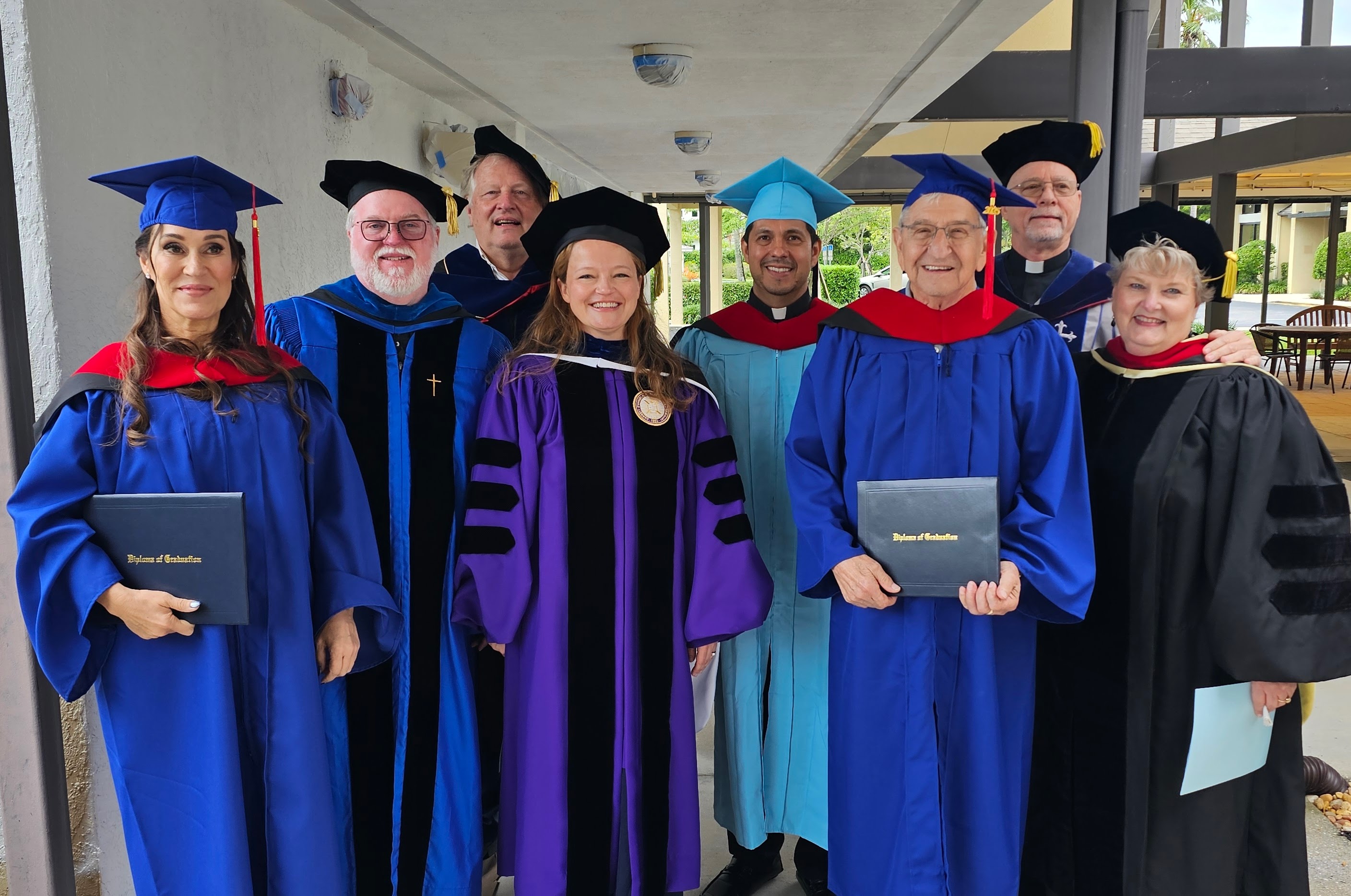
Through these mentorships, we bridge the gap between theoretical knowledge and the healing presence required in ministry. Our faculty members, often wearing a white clerical collar to signify their sacred office, serve as living examples of the integration of faith and scholarship. They embody the commitment to Lutheran theological tradition that defines our institution.

The Local Church as the Primary Classroom
Our students do not leave their communities to attend a seminary; they bring the seminary into their communities. We believe the local church is the most effective classroom for ministerial formation. This "in context" approach allows students to remain engaged in their current roles while deepening their theological expertise.
When learning happens within a congregation, the entire community participates in the formation of the future pastor. The congregation provides the relational data and real-world challenges that make theology come alive. This interaction creates a "community hermeneutic" where Scripture is interpreted through the lens of shared experience.
This model of education is highly beneficial for working adults and international students. It removes the need for expensive relocation and allows students to apply what they learn immediately. The integration of study and service ensures that students remain grounded in the needs of the people they are called to lead.
Furthermore, learning in context encourages a sense of "love at the core." As students serve their neighbors while pursuing their pastoral ministry degree, they demonstrate faith in action. This hands-on approach produces leaders who are ready to transform their communities from day one.
Financial Freedom and Return on Investment
In the current economic landscape, prospective students are rightly concerned about the cost of higher education. We are committed to providing an affordable and flexible path to ministry. Our goal is to ensure that students can pursue their calling without the heavy burden of traditional educational debt.
The master of divinity at our institution is designed with a high return on investment in mind. By avoiding the costs associated with campus-based residency, we pass those savings directly to the student. This financial stewardship allows graduates to enter the mission field with freedom and focus.
We believe that financial barriers should never stand in the way of a divine calling. Our competency-based model allows students to progress at their own pace, which can lead to significant cost savings. This efficiency does not sacrifice quality; rather, it prioritizes the mastery of essential skills.
Graduating without the burden of traditional debt is a form of ministerial empowerment. It allows new pastors to accept calls based on mission and need rather than financial necessity. This commitment to affordability is a core component of our service to the global church and its future leaders.

Collective Mission and Global Transformation
The ultimate goal of competency-based theological education is the transformation of the world through the Gospel of Jesus Christ. We are not merely training individuals; we are building a global movement of faith leaders. Each student is a vital part of a collective mission to bring hope and healing to every corner of the earth.
As our students move from academic commitment to professional ministry, they join a global network of alumni and partners. This community of practice provides ongoing support long after the formal education is complete. The bonds formed during the program serve as a foundation for lifelong learning and collaborative service.
We invite you to consider how your unique gifts and calling might flourish within our community. Whether you are in the United States or serving an international congregation, our flexible options are designed for you. Join us as we work together to equip the next generation of pastoral leaders.
The future of the church depends on leaders who are both competent in their skills and compassionate in their hearts. By choosing a path that emphasizes community, mentorship, and contextual learning, you are choosing a path of excellence. Let us walk this journey together, empowered by the Spirit and united in our mission.
For more information on the Master of Divinity and how our in situ approach can benefit your vocational discernment, please explore our resources. You may also find valuable information regarding theological standards at the Association of Theological Schools or learn more about our tradition through the Evangelical Lutheran Church in America.
For more information or to discuss your personal discernment and formation plan, please reach out to us via email at Team@ELGS.org. We would be excited to speak with you!
Comments