
From Study to Service: Competency-Based Master of Divinity
A call to pastoral ministry grows through study, service, reflection, and the wisdom of others. In a competency-based Master of Divinity, the student does not pursue formation alone. A three-person mentor team connects theological learning with the student’s ministry setting and helps the student recognize where growth is taking place.
This model is especially meaningful for a working adult or Pastoral Candidate already serving a congregation or community. The student brings real questions from ministry, while mentors bring academic guidance, pastoral experience, and attention to personal formation. Together, they make learning visible, accountable, and connected to the church’s life.
Who is on a competency-based Master of Divinity mentor team?
The ELGS Master of Divinity is built around a mentor team with three distinct roles: a faculty mentor, a pastoral mentor, and a personal mentor. Each brings a different perspective, and together they support the Seminarian’s theological, vocational, and personal development.
The faculty mentor helps connect ministry practice with Scripture, theology, church history, ethics, and academic standards. When a student prepares a sermon or reflects on a pastoral decision, this mentor helps the student ask: What is the theological claim? How does the biblical text inform the response? What evidence shows that the learning outcome is being met?
The pastoral mentor brings experience from congregational or community ministry. This mentor helps the student consider how an idea will work with real people and real responsibilities. They may ask whether a proposed response respects confidentiality, serves the congregation, or recognizes the needs and limits of the student’s role.
The personal mentor attends to the student as a whole person. Ministry can involve family commitments, demanding work, spiritual questions, and emotional strain. This mentor offers a space to consider how the student’s character, habits, and well-being relate to the call being discerned.
These roles are complementary, not interchangeable. A faculty mentor can help clarify theological reasoning, while a pastoral mentor can test its application in a ministry setting. A personal mentor can help the student notice what the work is asking of them and where additional support may be needed.
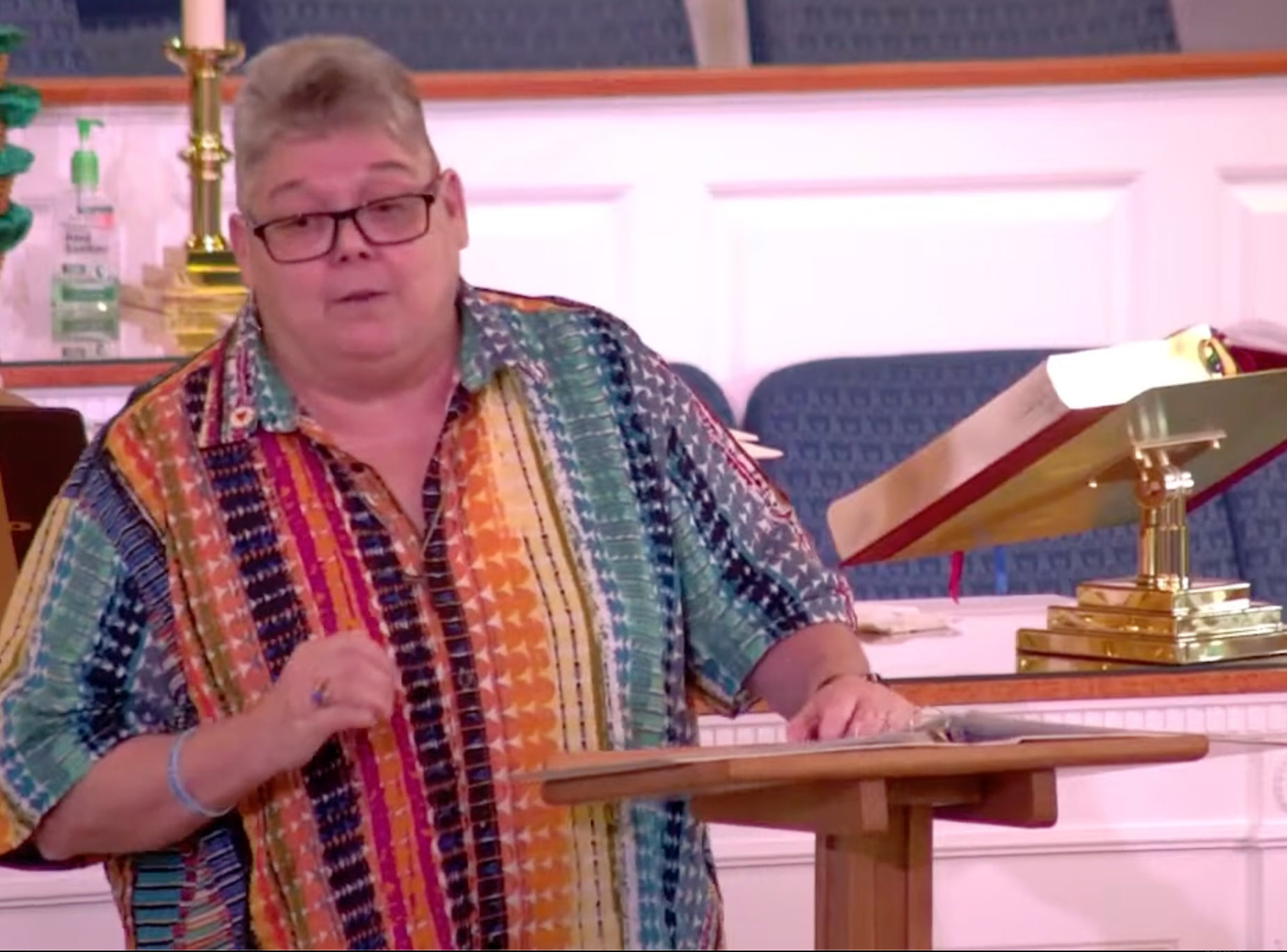
The ELGS Master of Divinity program describes a learning path shaped by formation, biblical study, vocational discernment, theological reflection, and integrated practice. Its outcomes include areas such as biblical exegesis, proclamation, theology and worship, Christian ethics, collaboration and care, and contextual ministry. The team helps students work with those outcomes in relation to their own vocation and setting.
What does a mentoring session actually look like?
A mentoring conversation is not simply a check-in about how busy the student has been. It follows a repeatable rhythm that connects ministry experience with learning and clear next steps.
This rhythm keeps assessment connected to real practice. A student does not simply say, “I understand pastoral care.” The student examines a particular ministry situation, identifies what they did and why, considers feedback, and shows how their judgment is developing.
The approach also recognizes that learning takes time. A first attempt may reveal a need for more study or practice. The mentor team can help the student name that need and return to it with new evidence. Progress is measured by demonstrated learning and increasing readiness, not by a single conversation.
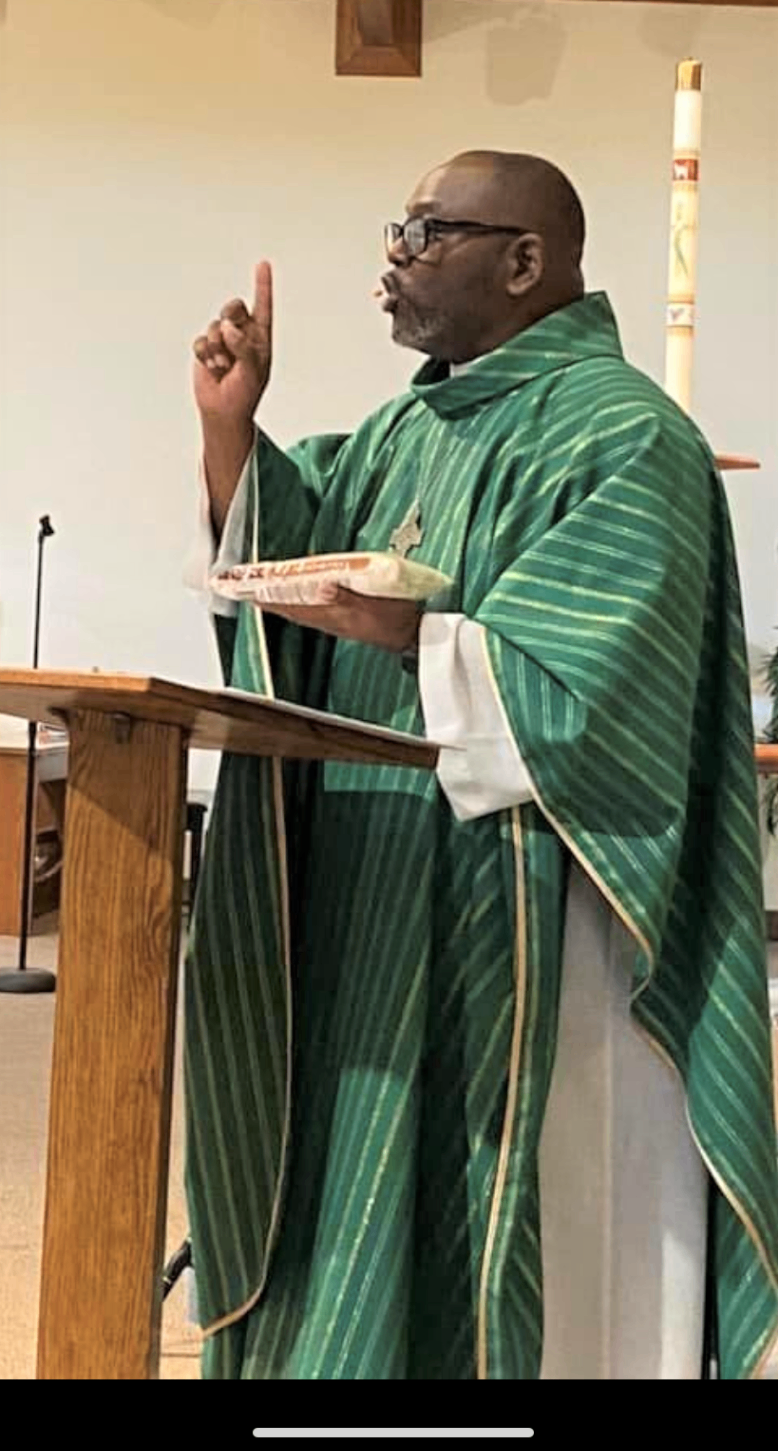
The Association of Theological Schools’ standards of accreditation emphasize clear learning outcomes, sound assessment, faculty oversight, and attention to formation. These principles help explain why mentoring is more than encouragement: it supports accountable learning while recognizing that academic and ministerial growth must be considered together.
Why does a mentor team matter for pastoral judgment?
Formation without accompaniment can become private and isolated. A student may study theology, make decisions in ministry, and reflect on both without hearing how others understand the situation. In pastoral leadership, that isolation can make it harder to recognize a blind spot, test an assumption, or see how a decision affects people beyond the student’s immediate circle.
A team creates a structured space for more than one kind of question. The faculty mentor can ask whether the student’s interpretation is sound. The pastoral mentor can help consider the likely effect on a congregation. The personal mentor can invite reflection on motivation, boundaries, and spiritual well-being.
That shared attention matters because pastoral judgment is not just the ability to make a quick choice. It involves listening, discerning what is at stake, considering the people affected, and acting with care. Feedback from mentors helps a student see that judgment can deepen through reflection and correction.
The team also gives formation a communal shape. Ministry takes place among people, so preparation for ministry should include conversation with people who can offer guidance. A mentor’s questions do not replace the student’s responsibility. They help the student become more thoughtful and accountable in carrying it.
ELGS describes this kind of learning as in context, with ministry serving as a setting for theological reflection and practice. Read more about in-situ pastoral formation and ministry as your classroom, where everyday responsibilities can become opportunities for focused learning.
For Lutheran Pastoral Candidates, seminary formation is one part of a broader process of vocational discernment and preparation. The ELCA candidacy resources offer information on that churchwide process. A mentor team can support a student’s growth, while the appropriate church bodies and processes continue to guide candidacy.
What is the cost and return on investment?
The financial structure of theological education can affect whether a person is able to pursue a call. Students may be balancing employment, family care, and ministry service while considering the cost of a degree. A model that allows learning to take place in the student’s context can help reduce the need to pause those responsibilities or relocate for study.
ELGS lists Master of Divinity tuition at $300 per month. Students continue serving and earning in their own context while pursuing their degree. This can support a path to graduate without the burden of traditional debt, although each student’s total costs and financial situation will differ.
The return is not measured only in dollars. Students develop their ministry while studying, rather than waiting until graduation to begin applying theological learning. A sermon can become an opportunity to deepen biblical interpretation. A congregational responsibility can invite growth in collaboration, care, or ethical leadership.
The ELGS programs page outlines the seminary’s context-focused degree options, and the admissions page is a place to begin asking questions about a student’s next steps. For a prospective Seminarian, the central question is whether this formation model can support both a call to ministry and the responsibilities already present in daily life.
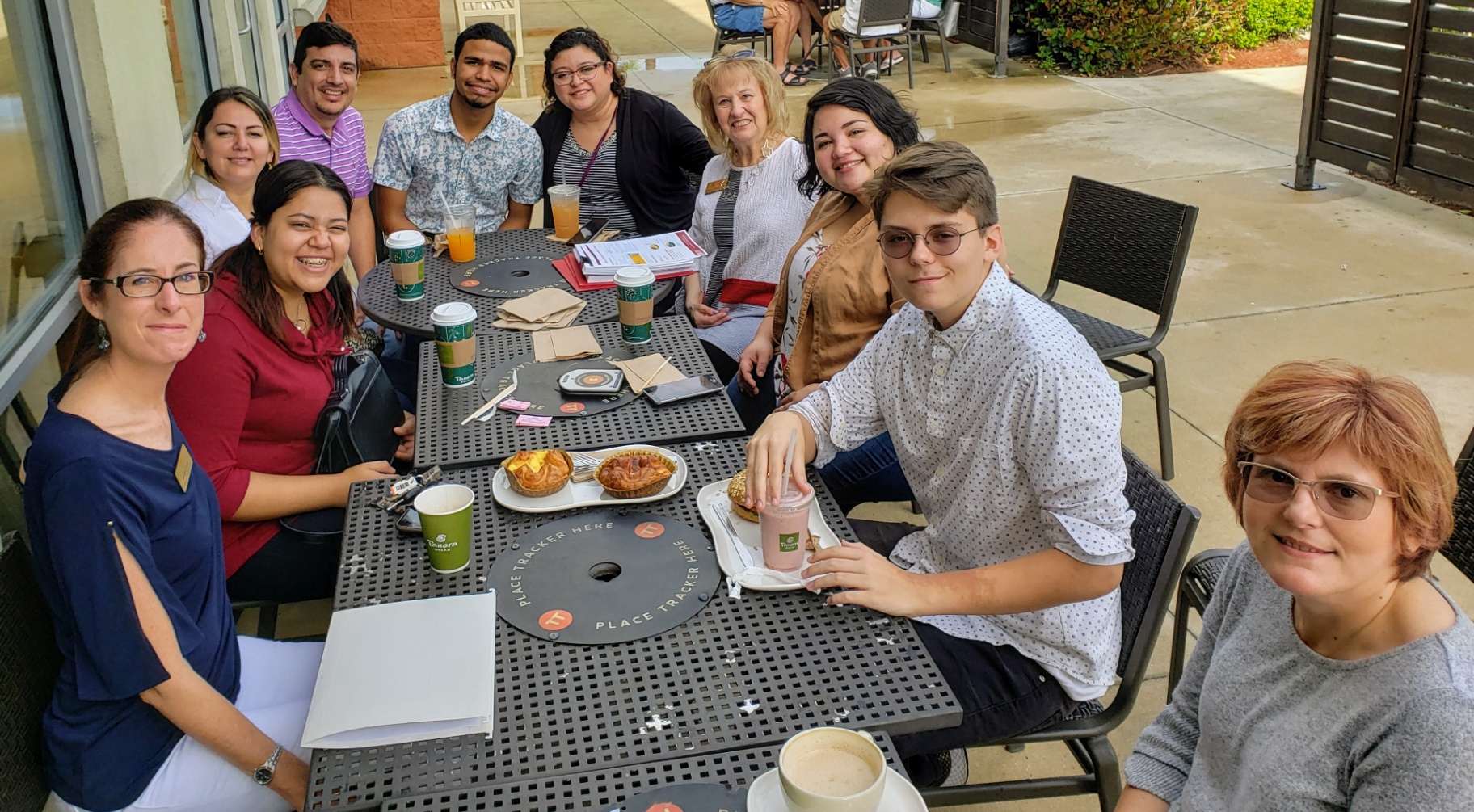
From individual effort to shared formation
The mentor team helps move the student from current responsibilities toward greater readiness for pastoral leadership. The student brings ministry experience and questions; the team brings disciplined feedback, theological perspective, and personal support. Each conversation can help turn practice into learning and learning into faithful service.
This shared work reflects a broader mission: preparing leaders who can serve the church and their communities with wisdom, compassion, and theological depth. Readers who are discerning a call, supporting a Pastoral Candidate, or seeking stronger ministry leadership are invited to learn more about how Emmanuel Lutheran Global Seminary forms leaders for service.
For more information or to discuss your personal discernment and formation plan, please reach out to us via email at Team@ELGS.org. We would be excited to speak with you!
Comments