
In-Situ Pastoral Formation: Ministry as Your Classroom
A theology classroom can explain pastoral care, ethics, leadership, and preaching. Yet the work of ministry becomes real when a pastor enters a hospital room, listens to a grieving family, reviews a tangled church budget, or helps a divided board seek a faithful way forward. In-situ pastoral formation places theological education within these real responsibilities, where the pastor actually lives and serves.
This approach does not reject academic study. It joins academic study to congregational life, professional experience, and community engagement. Through mentor teams, theological reflection, and demonstrated competencies, the student moves from current ministry responsibilities toward future pastoral leadership.
Why In-Situ Pastoral Formation Matters
Residential seminary education has served the church in important ways. However, relocating to a distant campus can separate students from the people, institutions, cultures, and challenges that will shape their ministry. A student may study congregational leadership in one setting while preparing to serve a very different community after graduation.
In-situ pastoral formation closes that distance. The congregation, workplace, and neighborhood become places of observation, service, reflection, and assessment. The student does not wait until graduation to apply theological learning. The student practices faithful ministry while receiving guidance from faculty, pastoral mentors, personal mentors, and the local church.
The central principle is simple: ministry is learned most faithfully where ministry is happening.
A hospital visit can become an assessed exercise in pastoral presence, confidentiality, grief care, and prayer. A difficult budget meeting can become an opportunity to study stewardship, ethics, transparency, and collaborative leadership. A neighborhood experiencing demographic change can become a setting for missiology, intercultural awareness, and public witness.
This model reflects the reality that pastoral ministry is both theological and practical. Scripture, doctrine, history, worship, and ethics must be brought into conversation with human pain, institutional decisions, and the daily needs of the people of God.
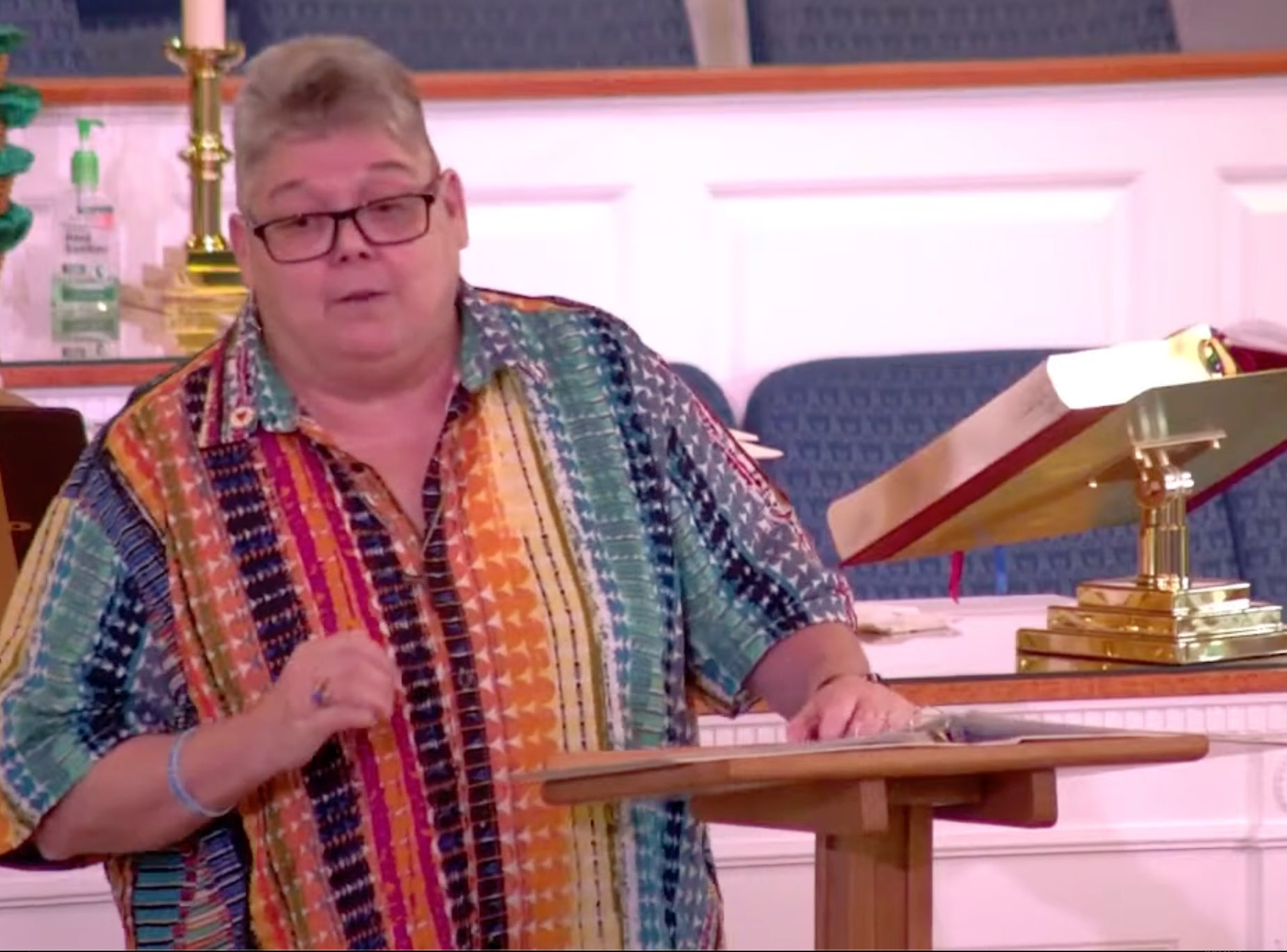
In-Situ Pastoral Formation and Competency-Based Theological Education
In-situ pastoral formation works especially well with competency-based theological education. Instead of measuring progress only through course completion or time spent in a classroom, this model asks whether the student can demonstrate the knowledge, skills, judgment, and spiritual maturity required for ministry.
The Association of Theological Schools standards emphasize clearly defined learning outcomes, supervised practical experiences, and ongoing assessment. ATS also provides guidance for competency-based theological education, showing that competency-based programs can maintain academic rigor while using flexible and contextual methods.
At Emmanuel Lutheran Global Seminary, the student’s ministry context becomes a structured site for learning. A mentor team helps the student identify strengths, address gaps, connect experience with theology, and document evidence of growth. The process is not based on unstructured experience. It is built around clear outcomes and accountable review.
A student may be assessed through:
The goal is not simply to complete tasks. The goal is to show that the student can interpret situations theologically, act with pastoral wisdom, receive feedback, and make responsible decisions in service to the church.
When Ordinary Ministry Becomes Assessed Learning
In-situ formation treats ordinary ministry moments as serious educational opportunities. The student remains attentive to the needs of the congregation while learning to examine those needs through biblical, theological, pastoral, and ethical frameworks.
Preaching and Worship
A student preparing a sermon begins with exegesis and theological interpretation. The student then considers the congregation’s history, fears, hopes, language, and current circumstances before crafting a faithful proclamation.
Assessment may include the sermon manuscript, a recording or observation report, feedback from a pastoral mentor, and a written theological reflection. The student demonstrates not only communication skill, but also biblical responsibility, pastoral sensitivity, and awareness of context.
Pastoral Care
A grieving family requires more than a memorized method. The student must listen carefully, respect boundaries, recognize trauma, offer appropriate prayer, and understand when referral to a professional caregiver is necessary.
A mentor can observe the student’s pastoral presence and review the student’s reflection without exposing confidential information. The assessment focuses on compassion, discernment, confidentiality, emotional maturity, and the ability to connect pastoral care with Christian hope.
Ethics and Stewardship
Church finances are not merely administrative concerns. They involve trust, justice, accountability, and the responsible use of resources dedicated to the mission of God.
When a student participates in a budget process, the experience can become a study in ecclesiastical ethics and stewardship. The student may prepare an analysis of competing needs, identify potential conflicts of interest, and explain how transparent leadership supports congregational health.
Leadership and Conflict
A divided board reveals the complexity of pastoral leadership. The student must listen to competing perspectives, identify the underlying concerns, communicate clearly, and help the group move toward a constructive decision.
A competency-based assessment can examine preparation, meeting leadership, conflict engagement, follow-through, and theological reflection. The student learns that leadership is not control. It is a form of service shaped by humility, courage, and responsibility.
Cross-Cultural and Community Ministry
A neighborhood in transition may include new languages, different religious traditions, changing economic conditions, and communities that have not felt welcomed by the church. The student can engage local organizations, listen to residents, and study how the congregation may serve without assuming that it already understands the community.
The resulting project may demonstrate cultural awareness, public leadership, missional imagination, and respect for the dignity of neighbors. This is theological education rooted in place and directed toward faithful action.
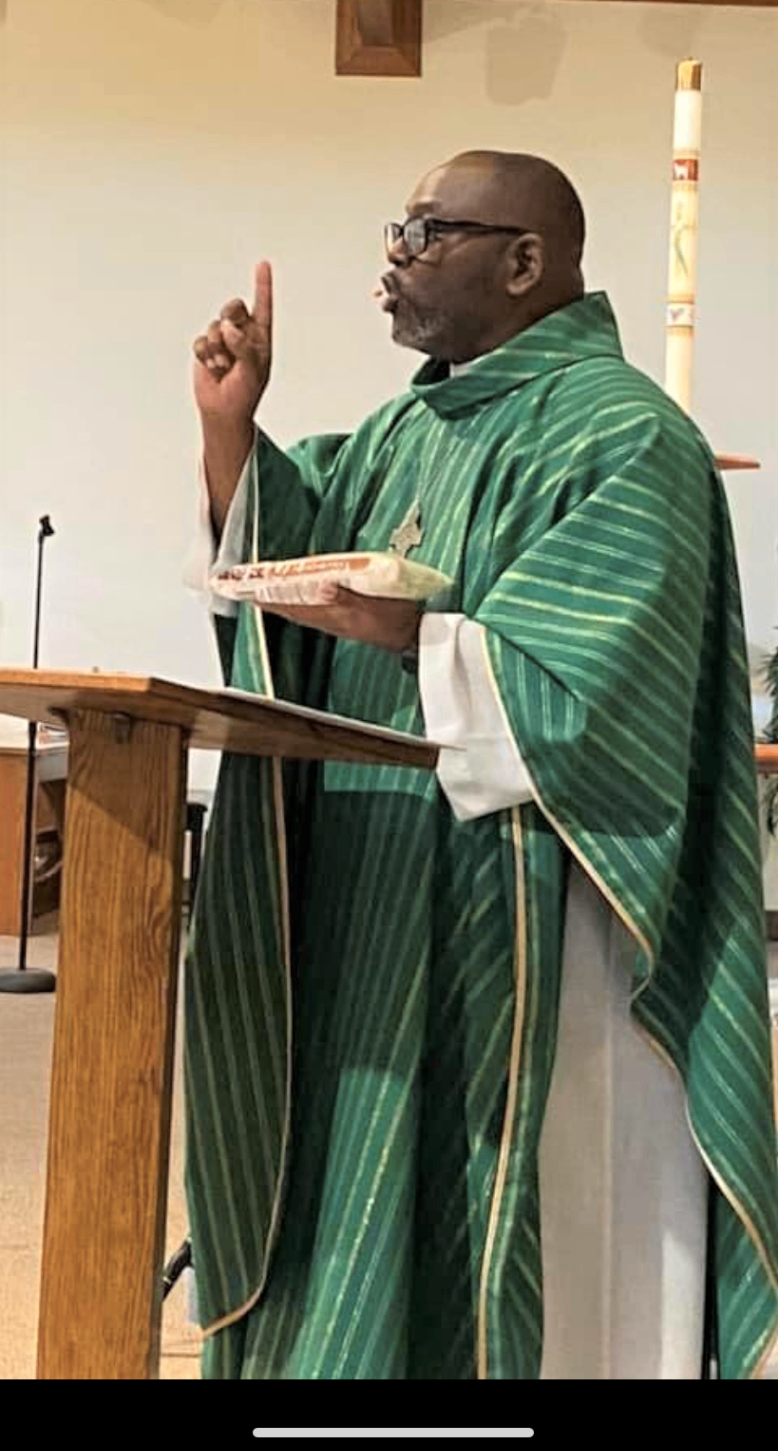
Is This Less Rigorous Than Residential Seminary?
This is an honest and necessary question. If learning takes place in a congregation or community rather than primarily on a campus, how can a student be sure that the education is academically serious?
The answer is found in standards, supervision, and evidence. A credible in-situ program does not replace theological scholarship with informal experience. It connects theological scholarship to ministry practice and requires the student to demonstrate the ability to integrate both.
A rigorous program includes:
The Princeton Theological Seminary field education program offers a helpful example of how supervised ministry placements can support vocational discernment, theological reflection, leadership formation, and applied ministry skills. Field education is not an escape from academic responsibility. It is one of the places where academic responsibility is tested and deepened.
For ELGS students, accountability also comes through the mentor team model. Faculty mentors attend to academic formation, pastoral mentors focus on ministerial practice, and personal mentors support the student’s broader development. Together, they help ensure that learning is holistic, measurable, and connected to vocation.
A Better Return on Investment for Ministry Preparation
The financial question also matters. Many prospective students are seeking a pastoral ministry degree while managing employment, family responsibilities, and existing community commitments. Relocating for a traditional residential program may require leaving work, moving away from family, or taking on significant debt.
In-situ pastoral formation offers a different path. Students can continue serving in their communities while developing the competencies required for pastoral leadership. They do not have to choose between every current responsibility and the call to theological education.
This creates a meaningful return on investment:
Affordability must never mean reduced quality. The goal is an accredited, theologically rigorous education that prepares students to preach, teach, lead, serve, and care for the people entrusted to them. ELGS describes its degree programs as flexible, affordable, and context-focused because formation should remove unnecessary barriers while preserving high standards.
The ELGS resource on competency-based theological education explains how demonstrated learning can support working adults and global students. Another resource, From Solo Study to Competency-Based Theological Education, highlights the importance of mentorship and communal formation.
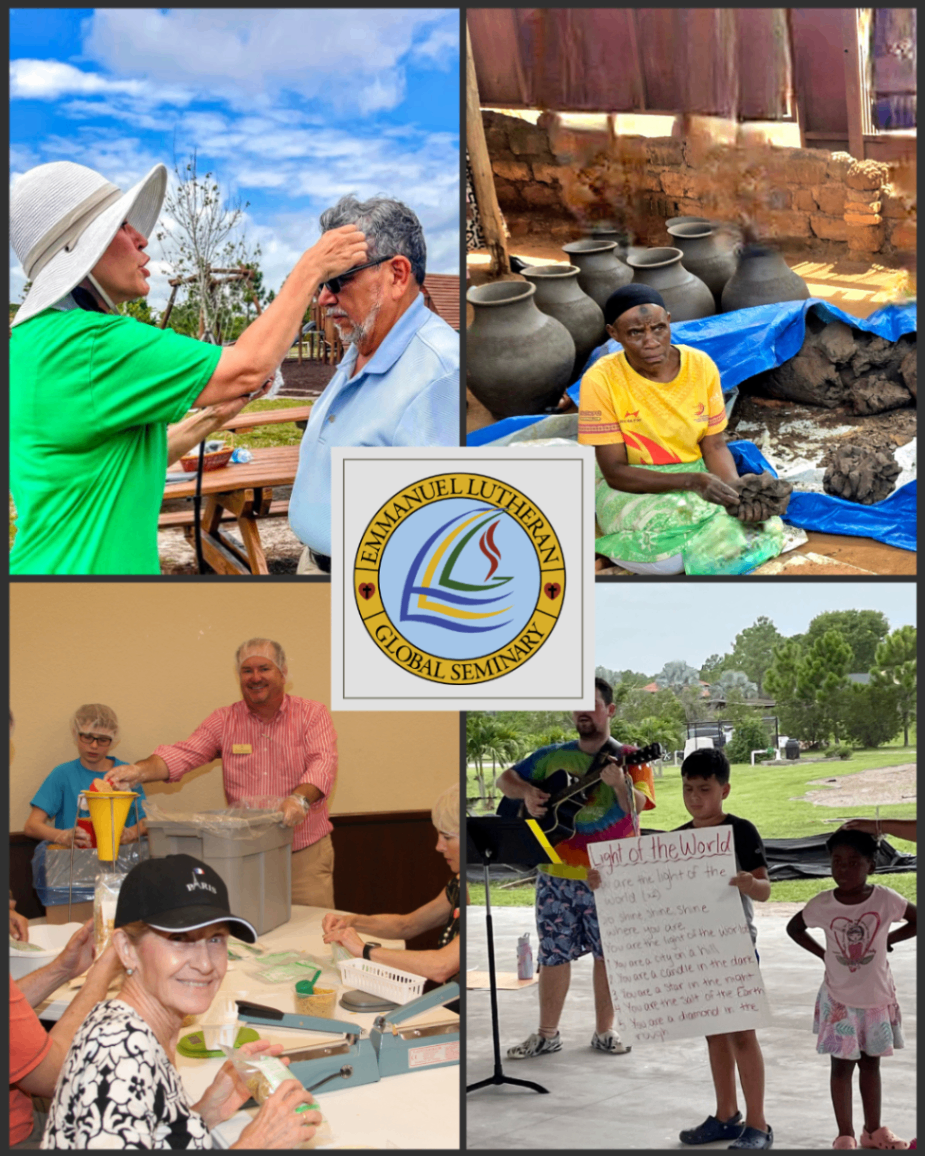
From Current Ministry Responsibilities to Future Pastoral Leadership
The person discerning a call to ministry rarely begins without experience. The student may already be leading worship, serving on a church council, teaching children, managing a nonprofit, visiting the sick, or organizing community programs.
In-situ pastoral formation receives that experience seriously and places it within a disciplined educational process. The student learns to name the theological questions beneath daily responsibilities, to connect professional skills with pastoral service, and to grow through honest feedback.
The movement is from current state to future state. A church volunteer develops into a trained ministry leader. An experienced professional becomes more prepared for ecclesiastical leadership. A congregation becomes not only a place of service, but also a community that participates in the formation of its future pastor.
This is ministry education shaped by calling, strengthened by accountability, and grounded in love for the neighbor. It prepares leaders who can serve faithfully because they have learned to see theology and ministry as one integrated vocation.
Read more about the financial pathway from financial burden to faithful service, and consider how an in-context pastoral ministry degree may support the next step in discernment.
The church needs leaders who can bring theological depth into hospital rooms, board meetings, sanctuaries, homes, workplaces, and neighborhoods. Emmanuel Lutheran Global Seminary invites students, congregations, and ministry partners to participate in this broader mission of forming capable, compassionate, and faithful pastoral leaders for the life of the world.
For more information or to discuss your personal discernment and formation plan, please reach out to us via email at Team@ELGS.org. We would be excited to speak with you!
Comments