
Preaching That Moves People to Act: Beyond the Sunday Sermon
- team
- 18 hours ago
- 6 min read
Meta description: Learn how a theology degree equips pastors to preach with clarity, connect faith to community needs, and guide congregations toward action beyond Sunday worship.
URL slug:/post/theology-degree-preaching-action
Series: Faith in Action: The Pastor as Community Transformer Publication date: August 19, 2026, at 9:00 AM EST
A sermon may begin in the sanctuary, but its work continues in homes, workplaces, neighborhoods, and community ministries. For the aspiring pastor pursuing a theology degree, preaching is not only an academic exercise or a weekly speaking responsibility. It is a pastoral practice that connects Scripture, Lutheran doctrine, human experience, and faithful action.
The future pastor learns to proclaim the gospel with clarity while helping a congregation recognize where God is already at work. Through theological study, spiritual formation, and ministry in context, preaching becomes a bridge between Sunday worship and the daily vocation of serving the neighbor.
From Sunday Listening to Weekday Witness
Preaching that moves people to act begins with a clear understanding of the sermon’s purpose. The preacher does not seek action through pressure or emotional manipulation. Instead, proclamation announces the grace of God in Jesus Christ, strengthens faith, and helps people respond through love and service.
The ELCA explains that faith is more than agreement with statements of belief. Faith is trust in God that frees people to love and serve others. This Lutheran understanding gives preaching a strong foundation: the congregation acts not to earn God’s favor, but because God’s grace has already called and equipped the community.
A sermon becomes active when it speaks honestly to the conditions people face. It may address loneliness, poverty, racial division, family strain, addiction, grief, or the need for reconciliation. It may also identify the gifts already present in the congregation, including professional knowledge, cultural wisdom, practical skills, and a willingness to serve.
Effective preaching connects three realities:
The biblical text, studied through careful exegesis and theological reflection.
The lived context, understood through listening, observation, and pastoral presence.
The next faithful step, expressed through concrete practices of mercy, justice, care, and witness.
How a Theology Degree Forms an Action-Oriented Preacher
A theology degree should prepare a student to do more than explain Christian doctrine. It should form a pastoral leader who can interpret Scripture faithfully, understand a community wisely, and communicate the gospel in ways that guide people toward responsible discipleship.
At Emmanuel Lutheran Global Seminary, the Master of Divinity program integrates biblical study, vocational discernment, theological reflection, formation, and practical ministry. Its outcomes include skillful biblical exegesis, cultural exegesis and gospel proclamation, Christian ethics, collaboration and care, integration in community, and contextual projects.
These competencies support a preaching ministry that is both academically grounded and pastorally responsive. The student learns to ask important questions: What does this text reveal about God? What is happening in the lives of the people hearing it? How might the congregation embody this gospel during the coming week?
The answer may take the form of a ministry visit, a small-group conversation, a food distribution project, a youth leadership effort, a public advocacy initiative, or a renewed commitment to reconciliation. The sermon does not complete the work. It helps the church discern how to continue the work together.
Preaching Begins with Listening
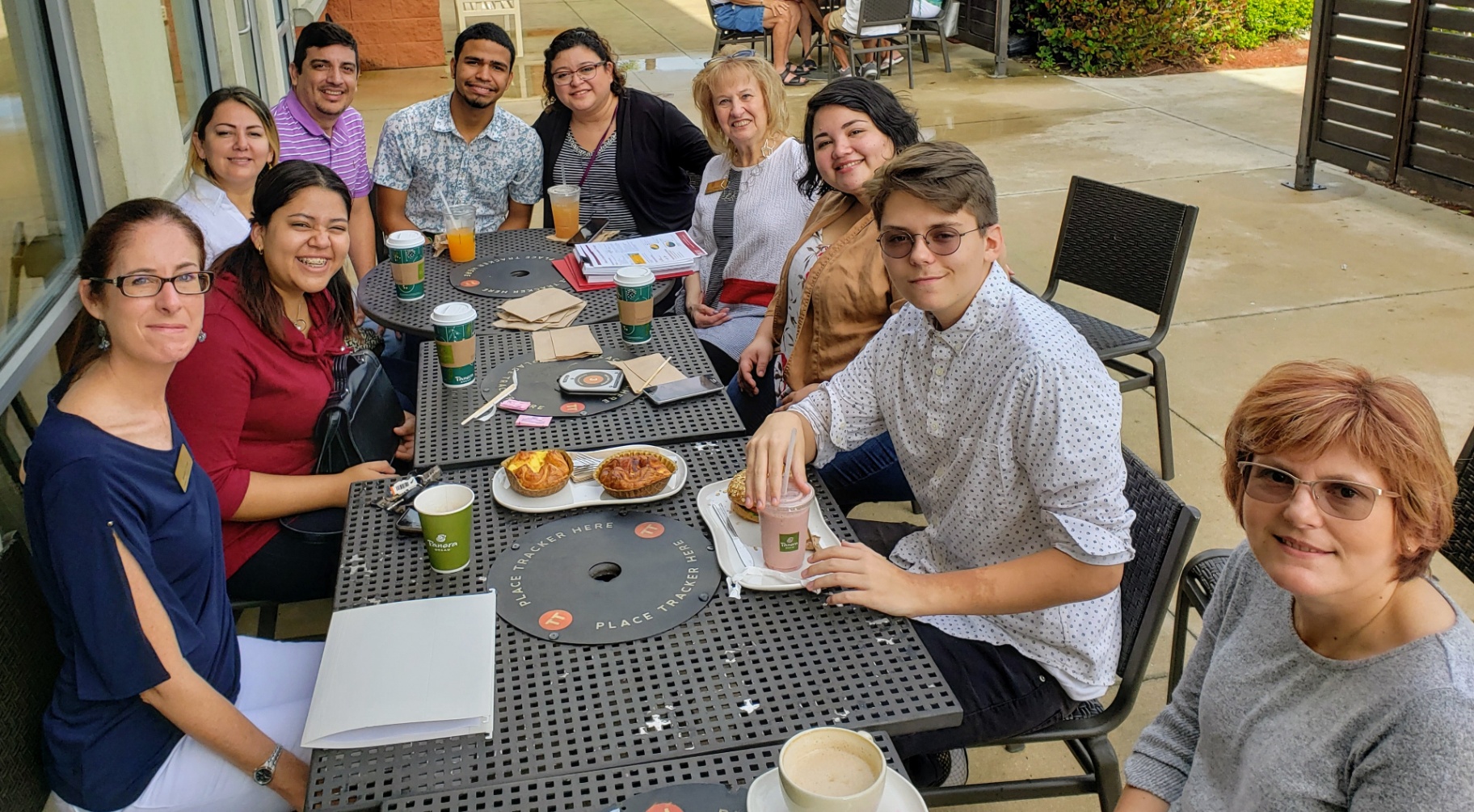
A pastor cannot preach meaningfully to a community that the pastor does not know. Faithful proclamation requires sustained attention to the congregation’s stories, concerns, history, culture, and hopes.
For this reason, the student preacher is engaged in more than manuscript preparation. The student is learning to listen during pastoral visits, ministry meetings, community conversations, and moments of worship. These experiences help the future pastor recognize the questions beneath the questions and the needs that may remain unspoken.
Listening also protects preaching from becoming abstract. A sermon shaped by the real lives of people can speak with greater compassion and precision. It can honor the congregation’s pain without reducing people to their problems, and it can name opportunities for service without overlooking the complexity of local conditions.
The Lutheran World Federation describes its work through the language of justice, peace, reconciliation, dignity, humanitarian service, and the strengthening of churches in their gospel witness. These themes remind future preachers that Christian proclamation belongs within the wider ministry of diakonia, which expresses the church’s care for people and creation.
Moving from Sermon Themes to Shared Practices
A sermon may identify a faithful concern, but lasting action usually requires a shared process. The pastor helps the congregation move from inspiration to organization, and from individual concern to communal responsibility.
This process does not require every sermon to include a large program or public campaign. Often, the most faithful response begins with a small and specific practice that can be sustained over time.
A congregation can move from proclamation to action through four steps:
Discern the need. The pastor and congregation identify a concern that is already visible in the community.
Study the issue. Members listen to affected neighbors, consult trusted information, and examine the concern through Scripture and Christian ethics.
Form a ministry response. Leaders define a practical goal, identify responsibilities, and invite people with appropriate gifts to participate.
Reflect and continue. The congregation evaluates what it has learned, gives thanks for God’s work, and determines the next faithful step.
This approach keeps preaching connected to the life of the church. It also encourages collaboration rather than placing the full burden of ministry on one pastor. The preacher proclaims, the congregation discerns, and the community serves together.
Contextual Learning Strengthens the Sermon
For a working adult or international student, theological education is most valuable when it remains connected to current ministry responsibilities. At ELGS, learning is completed in context, including at local churches and within the student’s actual vocational setting.
A student may use a current preaching assignment as an opportunity to demonstrate biblical exegesis, cultural awareness, theological communication, and pastoral care. Another student may connect a contextual project to a neighborhood partnership, a new worshiping community, or a congregational response to local poverty.
This model gives students a direct way to test theological insight through ministry practice. They are not waiting until graduation to begin serving. They are pursuing academic formation while already preaching, leading, teaching, caring, and discerning with others.
The result is a stronger return on investment. Education contributes immediately to the congregation, while the student develops evidence of ministerial competence. Because students remain rooted in their communities, they can continue working and serving while progressing through their program.

The Financial Freedom to Follow a Calling
Prospective students in 2026 are rightly attentive to the financial cost of theological education. A pastoral calling should not require a person to accept an unsustainable burden before ministry begins.
ELGS is committed to flexible and affordable theological education that helps students pursue formation while remaining engaged in their current work and church communities. Learning in context can reduce the disruption and relocation costs associated with traditional residential education.
The goal is to help students graduate without the burden of traditional debt, so they can consider ministry opportunities based on calling, community need, and faithful service rather than financial pressure alone. This is an important part of the return on investment of a theology degree.
Affordability, however, must remain connected to academic quality. Competency-based learning does not mean lower standards. It means that students demonstrate mastery through practical work, reflection, theological reasoning, and ministry evidence. The future pastor is assessed not only by what can be recalled, but also by what can be faithfully practiced.
From Prepared Preacher to Community Transformer
As the student progresses, the connection between preaching and community transformation becomes clearer. The preacher begins by studying the text, listening to the people, and receiving guidance from mentors. The preacher then develops a message that announces grace and identifies the faithful possibilities before the congregation.
Over time, the sermon becomes part of a larger pastoral rhythm. Worship leads to reflection. Reflection leads to discernment. Discernment leads to service. Service leads the congregation back to worship with deeper gratitude, greater humility, and a clearer understanding of God’s work in the world.
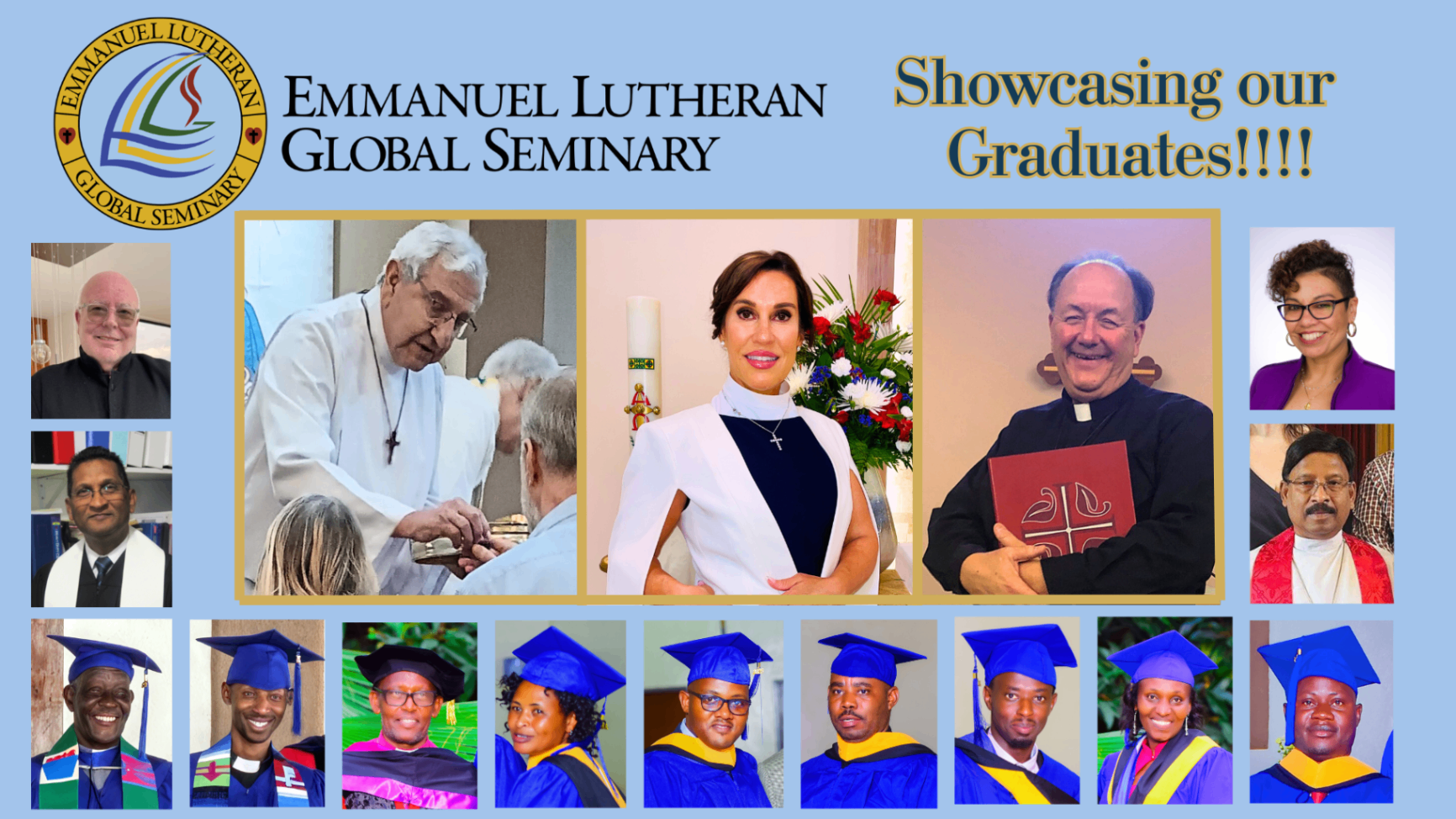
This rhythm forms leaders who can serve across cultures and contexts. It strengthens congregations that want their faith to be visible in the neighborhood. It also reflects the Lutheran conviction that God works through ordinary people and ordinary vocations to bring mercy, healing, justice, and hope.
A theology degree is therefore not simply a credential. It is a disciplined path of preparation for a life of proclamation and service. Through faithful study and engaged ministry, the aspiring pastor moves from seeking confidence in preaching to guiding a congregation toward active participation in God’s mission.
The broader mission belongs to the whole church. Emmanuel Lutheran Global Seminary invites students, congregations, mentors, and ministry partners to participate in forming pastoral leaders whose preaching continues beyond Sunday and whose faith becomes visible through love of neighbor.
For more information or to discuss your personal discernment and formation plan, please reach out to us via email at Team@ELGS.org. We would be excited to speak with you!
Comments