
Self-Paced Theology Degree: Earn an MDiv With Flexibility
The Self-Paced Theology Degree: Earning Your MDiv Without Putting Life on Hold
Series: Your Calling, Your Way, Post 2 Publication schedule: Tuesday, August 11, 2026, at 9:00 AM EST URL slug:/post/self-paced-theology-degree Meta description: Discover how a self-paced theology degree helps working adults pursue an MDiv through flexible, in-context learning, practical formation, and lower debt.
For many working adults, the call to pastoral ministry grows alongside employment, family responsibilities, congregational service, and community leadership. A self-paced theology degree can provide a faithful path forward, allowing students to pursue an MDiv or theology degree while continuing to serve where God has already placed them.
This model does not treat flexibility as a lesser form of education. Instead, competency-based theological education connects academic study with real ministry practice, allowing students to build on existing strengths, address areas for growth, and develop learning experiences shaped by their vocational goals.
What Is a Self-Paced Theology Degree?
A self-paced theology degree allows a student to make steady academic progress according to a manageable rhythm rather than following a rigid campus schedule. The student still works toward clear learning outcomes, completes assessments, engages mentors and faculty, and demonstrates practical ministerial competence.
Self-paced does not mean isolated or directionless. It means the educational process recognizes that adult learners bring valuable experience from professional work, church service, family life, and community involvement. Their formation can begin with what they already know and move toward the specific knowledge and skills needed for faithful ministry.
At Emmanuel Lutheran Global Seminary, learning is competency-based and takes place in context. Students can connect theological study with the ministry settings, churches, workplaces, and communities where they are already engaged.
The central principle is simple: students do not have to put their lives on hold to prepare for ministry. Their current responsibilities can become part of the learning process.
How Competency-Based Learning Works
Traditional academic programs often measure progress by completed courses and accumulated credit hours. Competency-based education places greater emphasis on what the student can understand, practice, communicate, and demonstrate.
In theological education, this may include biblical interpretation, preaching, worship leadership, pastoral care, Christian ethics, spiritual formation, congregational leadership, and the ability to relate theology to a specific cultural context.
A competency-based program may ask a student to demonstrate learning through a combination of:
Biblical and theological reflection
Written projects and ministry plans
Preaching, teaching, or worship resources
Pastoral care practices
Community engagement
Contextual ministry projects
Mentor conversations and guided reflection
Evidence of personal and spiritual formation
This approach helps students see the connection between academic study and ministerial responsibility. A working adult who leads a Bible study, coordinates volunteers, manages a nonprofit, or serves in pastoral care may already possess important skills that can be examined and strengthened through theological reflection.
The result is a more focused educational journey. Students are not merely completing assignments. They are pursuing greater readiness for preaching, leading, training, serving, and transforming communities through faith.
From Existing Strengths to Ministerial Excellence
Many adults who discern a call to ministry already have years of experience in other fields. They may have worked in education, healthcare, business, technology, counseling, public service, construction, or administration. These experiences should not be treated as unrelated to ministry.
A teacher may bring strong communication and instructional skills to Christian education. A healthcare professional may bring attentiveness and compassion to pastoral care. A business leader may contribute organizational wisdom to congregational administration. A community advocate may bring experience in collaboration, justice, and public service.
A self-paced theology degree gives students room to identify these strengths and apply them in a theological framework. The purpose is not to replace professional experience with academic theory. The purpose is to deepen that experience through Scripture, Lutheran theology, Christian tradition, ethical reflection, and pastoral practice.
At the same time, students can identify weaknesses without shame or discouragement. A student may need to strengthen biblical languages, preaching, conflict resolution, worship planning, theological writing, or cross-cultural communication. A customized learning path makes it possible to give additional attention to these areas.
Healthy formation builds from strength while also pursuing growth where greater preparation is needed.
Customized Learning for a Specific Calling
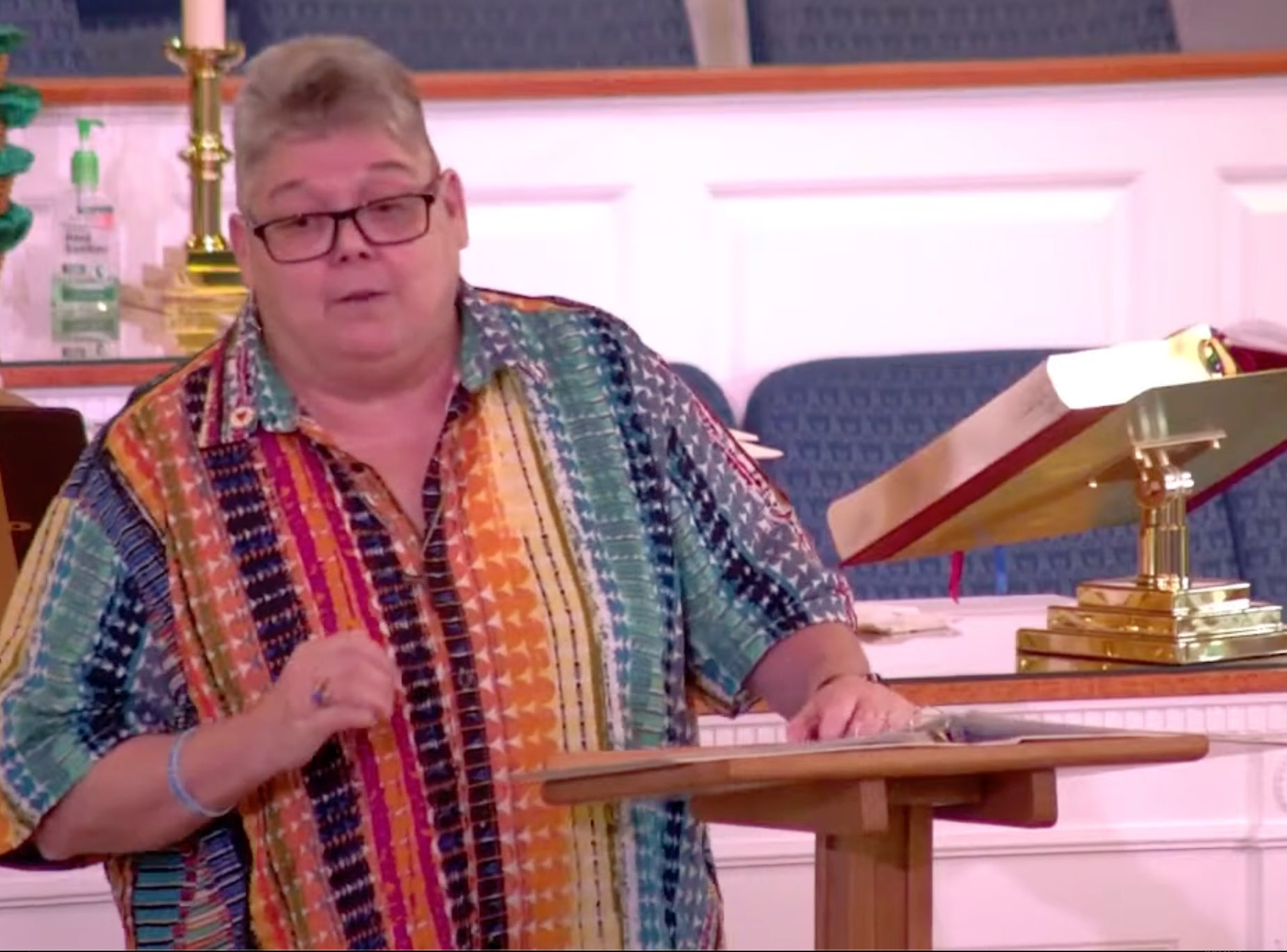
Theological education is most effective when it is connected to a student’s calling. Not every aspiring pastor will serve in the same setting, and not every church will face the same challenges. A rural congregation, an urban parish, a multicultural church, a chaplaincy setting, and a church plant each require thoughtful preparation.
Students may shape learning experiences around areas such as:
Pastoral care and spiritual direction
Preaching and biblical exegesis
Congregational development
Youth and family ministry
Chaplaincy and specialized pastoral care
Mission and community transformation
Lutheran theology and worship
Cross-cultural ministry
Church administration and stewardship
Strategic leadership and conflict management
The ELGS Master of Divinity program reflects this emphasis on formation, biblical study, vocational discernment, theological reflection, and integrated practice. Its program outcomes include biblical exegesis, gospel proclamation, Christian ethics, collaboration and care, community integration, contextual projects, mentored life, and continuing formation.
This structure is especially valuable for working adults because learning can be connected to actual ministry responsibilities. A student who is developing a youth ministry program may use that work as a contextual project. A student who is leading worship may reflect on liturgical theology and pastoral practice through that service.
A Manageable Path for Working Adults
Working adults often carry several responsibilities at once. They may be supporting children or aging parents, maintaining full-time employment, serving in a congregation, and discerning a future in ordained or lay ministry. A rigid schedule can make theological education feel unreachable, even when the call remains strong.
A self-paced program offers a more sustainable alternative. Students can plan their educational work around employment and ministry commitments, establish realistic goals with mentors, and progress through learning experiences in a manner that supports long-term faithfulness.
This flexibility requires discipline. Students must create time for reading, reflection, prayer, writing, ministry practice, and rest. The benefit is that academic progress becomes integrated with daily life rather than competing with every other responsibility.
The journey may not move at the same speed for every student. Some seasons may allow greater academic focus, while others may require a slower pace because of work, family, or congregational needs. The calling remains active through each season, and formation continues through patient, intentional progress.
The Return on Investment of Theological Education
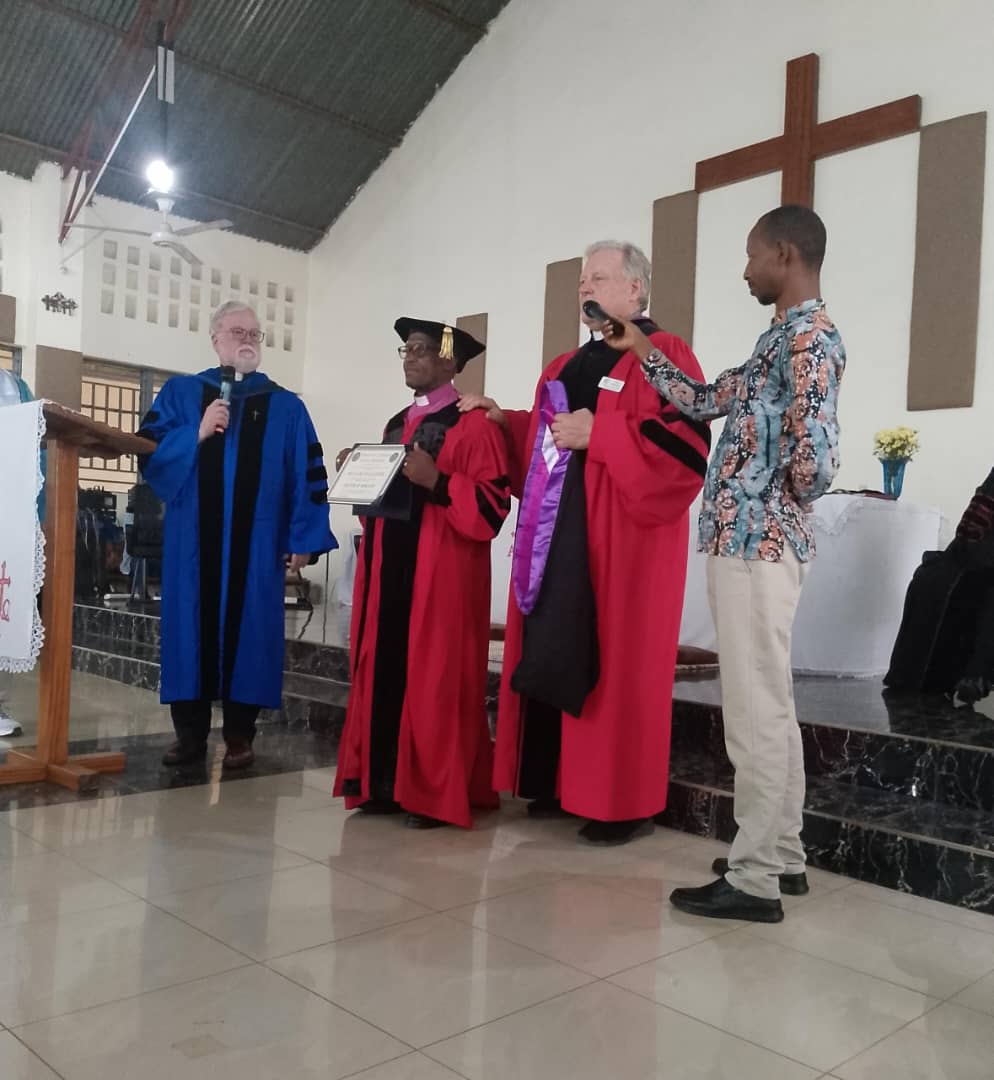
Prospective students are rightly attentive to the cost of graduate education. A ministry degree should support faithful service without creating an unsustainable financial burden. Affordability, flexibility, and practical learning all contribute to the return on investment.
A competency-based, in-context program can reduce the indirect costs associated with relocating, leaving employment, or stepping away from existing ministry responsibilities. Students can continue serving their communities while developing the theological and leadership skills needed for future ministry.
The financial return is only one part of the larger investment. A strong MDiv or theology degree can also provide:
Greater confidence in biblical interpretation
Stronger preaching and teaching skills
Improved pastoral care and communication
Greater readiness for congregational leadership
Deeper understanding of Lutheran theology and tradition
More effective service in multicultural communities
A foundation for continued ecclesial and academic development
Students should ask direct questions about tuition, fees, pacing, mentoring, graduation requirements, and denominational expectations. They should also confirm how a program aligns with the requirements of their synod, church body, ordination process, or ministry setting.
The Association of Theological Schools guidelines for competency-based theological education explain how competency-based programs must maintain clear outcomes, sound assessment, faculty oversight, student support, and academic quality. These standards remind prospective students that flexibility and rigor can exist together.
The goal is not simply to earn a credential. The goal is to graduate prepared for faithful and effective service, ideally without the burden of traditional educational debt.
From Personal Discernment to Service in the Church
A theology degree is part of a wider process of vocational discernment. Students should remain attentive to prayer, Scripture, the wisdom of trusted pastors, the counsel of their congregations, and the guidance of ecclesial leaders.
The ELCA resource for future leaders describes a journey that connects discernment, educational opportunity, Lutheran tradition, and leadership in the church. It points people toward resources that help them explore their gifts and consider how God may be calling them to serve.
For some students, the next step may be an MDiv. For others, a Bachelor of Arts in Christian Thought and Practice may provide the appropriate foundation for deeper theological study and ministry development. The important question is not whether every student follows the same route. The important question is whether the educational path faithfully supports the person, the calling, and the community being served.
Your Life Can Be Part of the Classroom
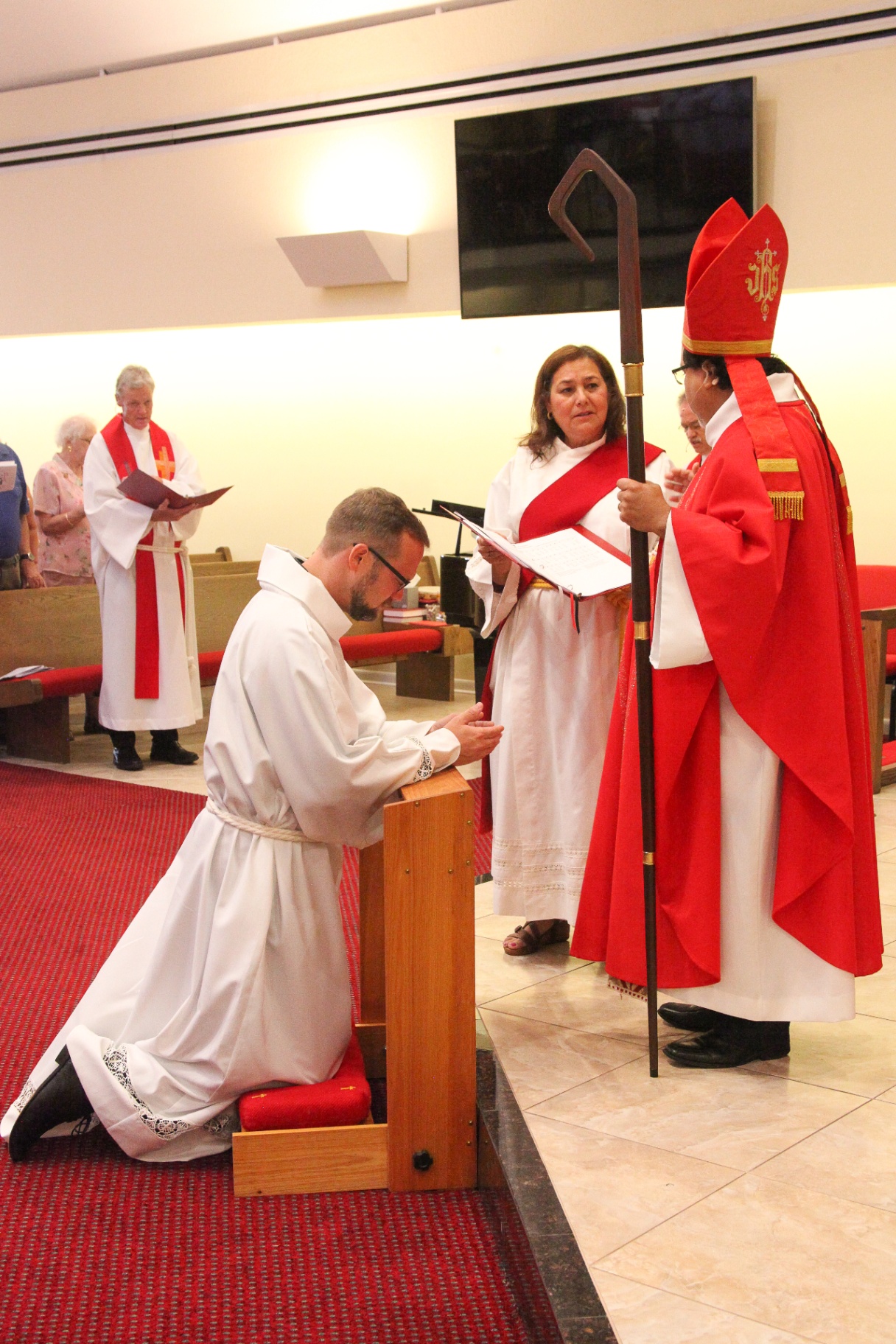
The self-paced theology degree offers a clear message to adults who sense a call but cannot leave their responsibilities behind: the life they are already living can become part of their preparation.
Employment can teach diligence, leadership, and stewardship. Family life can deepen patience, compassion, and forgiveness. Congregational service can reveal gifts and weaknesses. Community involvement can expose the real needs that pastoral leaders are called to address.
Through mentoring, theological reflection, competency assessment, and contextual practice, students can move from uncertainty toward greater readiness. They can pursue an MDiv or theology degree while strengthening the churches and communities they already serve.
Emmanuel Lutheran Global Seminary welcomes students who are discerning a call, deepening their theological understanding, and preparing for faithful leadership. The seminary’s mission is to make high-quality theological education more flexible, affordable, practical, and accessible to students serving in many contexts around the world.
The movement from a full and demanding life to a future of ministerial excellence does not require abandoning present responsibilities. With faith, discipline, wise mentorship, and a learning path shaped around a calling, working adults can continue pursuing the education necessary to serve Christ and neighbor.
To begin a conversation about your next step, visit the ELGS request information page. Together, students, mentors, churches, and theological educators can help prepare leaders for a future marked by faith in action, love at the core, and excellence in service.
For more information or to discuss your personal discernment and formation plan, please reach out to us via email at Team@ELGS.org. We would be excited to speak with you!
Comments