
Self Paced Theology Degree for Bi-Vocational Ministry
Meta description: Discover a self paced theology degree for bi-vocational ministry through calling, mentorship, weekly rhythm, in-context learning, and debt-aware formation.
URL slug:/post/self-paced-theology-degree-framework
Scheduled publication: 9:00 AM EST, America/New_York
Working adults discerning pastoral ministry need more than a flexible schedule. They need a clear formation process that connects theological study with employment, family responsibility, congregational service, and a faithful response to God’s calling. A self paced theology degree for bi-vocational ministry can provide that structure when learning is guided by mentors, measured through competencies, and grounded in the student’s real ministry context.
The need is timely. Churches across the United States are facing a shortage of pastors, especially in rural communities, small congregations, and settings where a full-time salary is not possible. NPR reports on the growing difficulty churches face in finding pastors, while Lifeway Research reports that 35 percent of U.S. clergy and 47 percent of evangelical pastors are bi-vocational.
The answer is not to lower academic standards. It is to develop a practical framework that allows called leaders to remain engaged in their communities while pursuing accredited theological education. The following model moves a student from a demanding current state toward a future of deeper competence, stronger pastoral identity, and faithful service.
Why a Self Paced Theology Degree for Bi-Vocational Ministry Matters
Bi-vocational ministry is not simply a temporary response to financial pressure. For many leaders, employment outside the congregation becomes part of a long-term vocational pattern. A pastor may serve a congregation while also working in education, health care, business, public service, construction, or another profession.
This structure creates both challenges and opportunities. A working minister must manage preaching, pastoral care, worship leadership, administration, family life, employment, and academic study. At the same time, daily work can deepen a leader’s understanding of vocation, suffering, justice, stewardship, and community life.
The Association of Theological Schools annual data tables show how strongly theological education has shifted toward flexible forms of delivery. Recent summaries of ATS data indicate that nearly half of seminary students were enrolled in online-only study by 2025. That trend confirms the demand for flexibility, but it also raises an important question: What kind of flexibility produces faithful pastoral formation?
A strong model does not treat students as isolated consumers of courses. It connects biblical study, theological reflection, ecclesiastical practice, supervised ministry, and personal discernment.
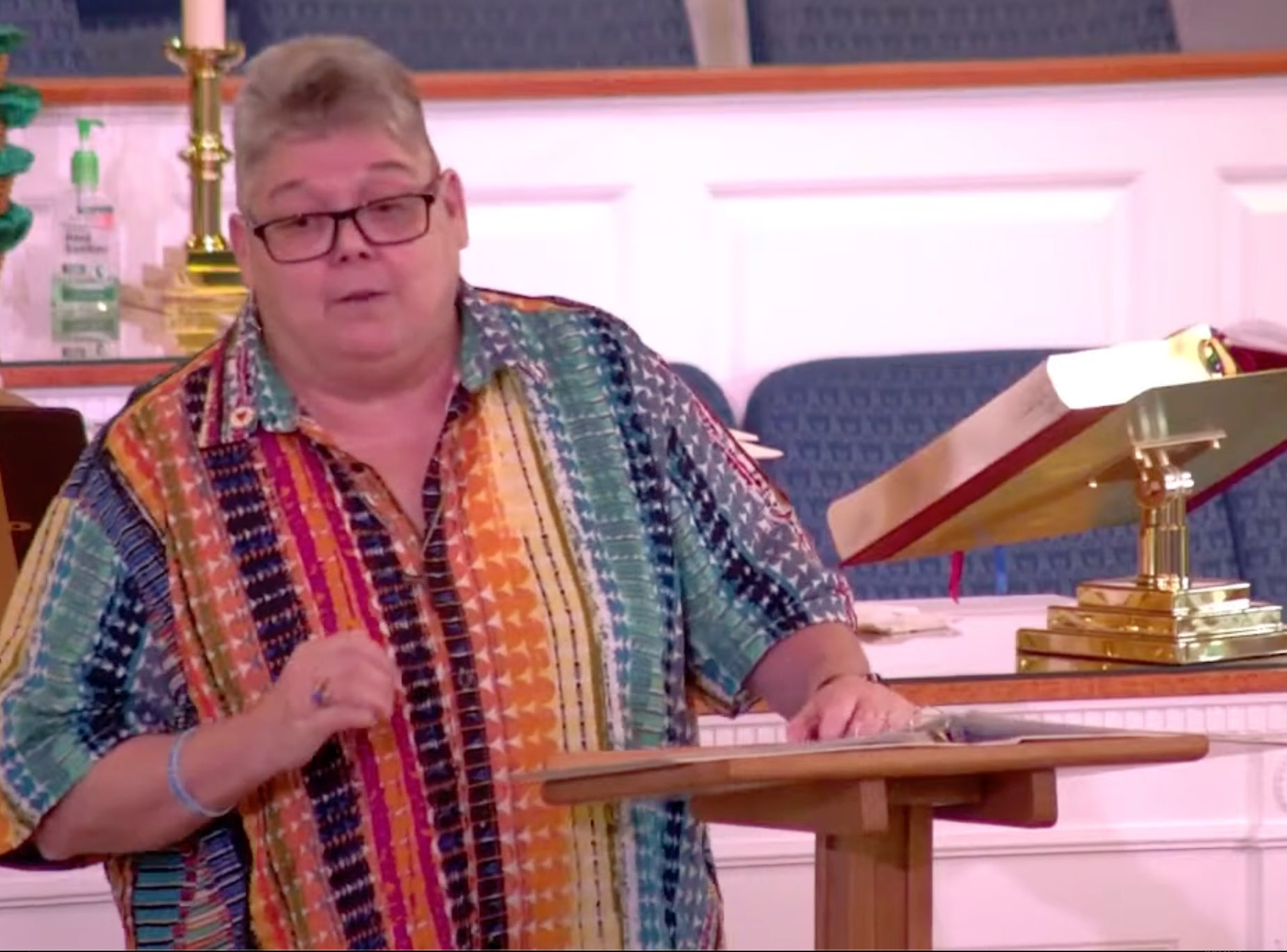
In-context theological education connects academic study with the ministry setting where formation is taking place.
The Six-Part Self-Paced Theology Degree Framework
A self-paced framework should not mean that a student works without guidance or accountability. It means that the student progresses through clearly defined competencies while receiving support from a mentor team and applying learning in a congregation or ministry setting.
1. Assess the Calling and Current Ministry Context
The process begins with careful vocational discernment. The student identifies the nature of the calling, the community being served, the denomination or ecclesiastical body involved, and the practical responsibilities already carried.
This assessment should answer several questions:
What ministry responsibilities are already present?
What pastoral or theological competencies are required for the intended role?
What does the congregation or community need from its future leader?
What academic, financial, family, and employment commitments must be considered?
What ordination or denominational expectations apply?
This first step prevents a student from pursuing a degree in the abstract. It creates a formation plan that is connected to a real congregation, real people, and a real vocational future.
2. Map the Competencies Already in Place
Working adults often bring significant experience into theological education. A church leader may already have skills in public speaking, conflict resolution, counseling, teaching, leadership, project management, budgeting, or community organizing.
A competency map recognizes those abilities while identifying areas that require further development. Existing ministry experience does not replace theological study, but it can help the student focus academic energy where it is most needed.
The map may include:
Biblical interpretation and theological reasoning
Preaching and worship leadership
Pastoral care and spiritual formation
Christian education and congregational development
Ethics, administration, and conflict management
Mission, evangelism, and community engagement
Lutheran theology, ecclesiology, and sacramental practice
The goal is not to rush through a degree. The goal is to pursue the right learning at the right depth for the student’s vocation.
3. Choose a Mentor and Formation Team
No pastoral leader should be formed alone. A mentor and formation team provide theological guidance, spiritual accountability, practical feedback, and a connection to the wider church.
The team may include a faculty mentor, pastor, congregational leader, denominational representative, and trusted spiritual companion. Each person contributes a different perspective, and the student receives support across academic, spiritual, and vocational dimensions.
At Emmanuel Lutheran Global Seminary, mentor-based learning is central to the educational model. The seminary’s mission emphasizes spiritual, intellectual, and vocational formation through affordable and flexible education that remains connected to communities and congregations.
4. Establish a Realistic Weekly Rhythm
A working adult needs a schedule that can be sustained through ordinary weeks, not only ideal weeks. The student should build an academic rhythm around employment, worship, family care, transportation, rest, and congregational responsibilities.
A realistic weekly plan may include:
Two focused study periods for reading and theological reflection
One writing or project period
One meeting with a mentor or formation group
Time for prayer, worship preparation, and pastoral practice
A weekly review to identify progress and barriers
The rhythm should protect rest. Sustainable formation requires discipline, but it also requires wisdom about human limits. A student who works full-time may progress more faithfully through a measured course load than through an accelerated plan that leads to exhaustion.
This is where competency-based learning can serve working adults well. Progress is connected to demonstrated learning and ministerial ability, while the pace remains responsive to the student’s context and responsibilities.
5. Count In-Situ Ministry as a Learning Laboratory
A congregation is not merely the place where a student volunteers after class. It can become the primary setting for pastoral formation. Sermon preparation, hospital visits, Bible studies, funerals, youth ministry, council meetings, outreach, and community partnerships all provide opportunities for intentional learning.
In-situ formation requires reflection. The student does not simply complete a ministry task and move on. The student asks what happened, what theological questions arose, how people were served, and what could be improved.
A contextual project might include:
Developing a congregational outreach plan
Creating a pastoral care process for homebound members
Preaching a series and evaluating its theological clarity
Training volunteers for Christian education
Studying the needs of a multicultural or multilingual community
Building a ministry partnership with a local organization
These projects translate academic work into measurable ministerial competencies. They also help congregations benefit from the student’s growth during the degree rather than waiting until graduation.

Pastoral formation develops through study, service, reflection, and continued engagement with the community.
6. Review and Adjust at the End of Each Term
A strong formation plan remains flexible because ministry contexts change. Employment may become more demanding, a family member may need care, or a congregation may enter a new season of transition.
At the end of each term, the student and mentor team should review:
Competencies completed
Areas requiring additional study
Ministry experiences that produced significant learning
Academic workload and personal sustainability
Financial needs and available support
The next term’s priorities
This review keeps the program purposeful. It also allows the student to make informed adjustments without losing sight of the larger vocational goal.
How ELGS Creates a Strong Return on Investment
The return on investment in theological education is measured in more than income. It includes deeper pastoral competence, stronger congregational leadership, improved community service, and preparation for faithful long-term ministry. Still, financial responsibility matters, especially for adults who cannot leave employment or assume substantial educational debt.
Emmanuel Lutheran Global Seminary addresses that concern through several connected commitments:
Flexibility: Students can pursue formation while continuing to work, serve, and care for family.
Affordability: Financial support helps remove barriers for those called to ministry.
Accredited education: Academic standards provide credibility for students, congregations, and ecclesiastical partners.
Competency-based learning: Students develop practical skills for preaching, teaching, leading, serving, and transforming communities.
In-context formation: The congregation and ministry setting become part of the educational process.
Lutheran theological tradition: Students are formed within a clear ecclesial and theological heritage while serving communities worldwide.
The ELGS scholarship opportunities page explains how financial assistance can help make theological education more accessible. A thoughtful plan may help a student graduate without the burden of traditional debt, especially when scholarships, careful course planning, continued employment, and congregational support are combined.
For prospective students, the financial question should be practical and direct:
What will the degree cost from beginning to completion?
Which scholarships or tuition supports may be available?
Can the student remain employed while studying?
What ministry responsibilities can contribute to competency development?
What long-term pastoral opportunities may follow the degree?
These questions help students evaluate education as a vocational investment rather than an isolated expense.
From Current Commitments to Future Ministry
At the beginning of the process, a working adult may feel divided between employment, family responsibilities, congregational service, and a growing sense of call. The framework provides a way to bring those commitments into a coherent plan.
As the student progresses, existing professional skills become ministry assets. Communication supports preaching. Leadership experience supports congregational administration. Caregiving experience deepens pastoral sensitivity. Community engagement strengthens mission. Ethical decision-making becomes a foundation for public Christian witness.
Over time, the student moves from informal service toward recognized ministerial competence. Academic study gives theological depth to practical experience, while in-context ministry gives practical direction to academic study. The result is a leader prepared to serve faithfully in the actual conditions facing the church.
The ELGS Bachelor of Arts program and Master of Arts program provide pathways for students at different stages of educational and vocational development. Those discerning their next step can also begin with the ELGS admissions page and review available program options with the admissions team.
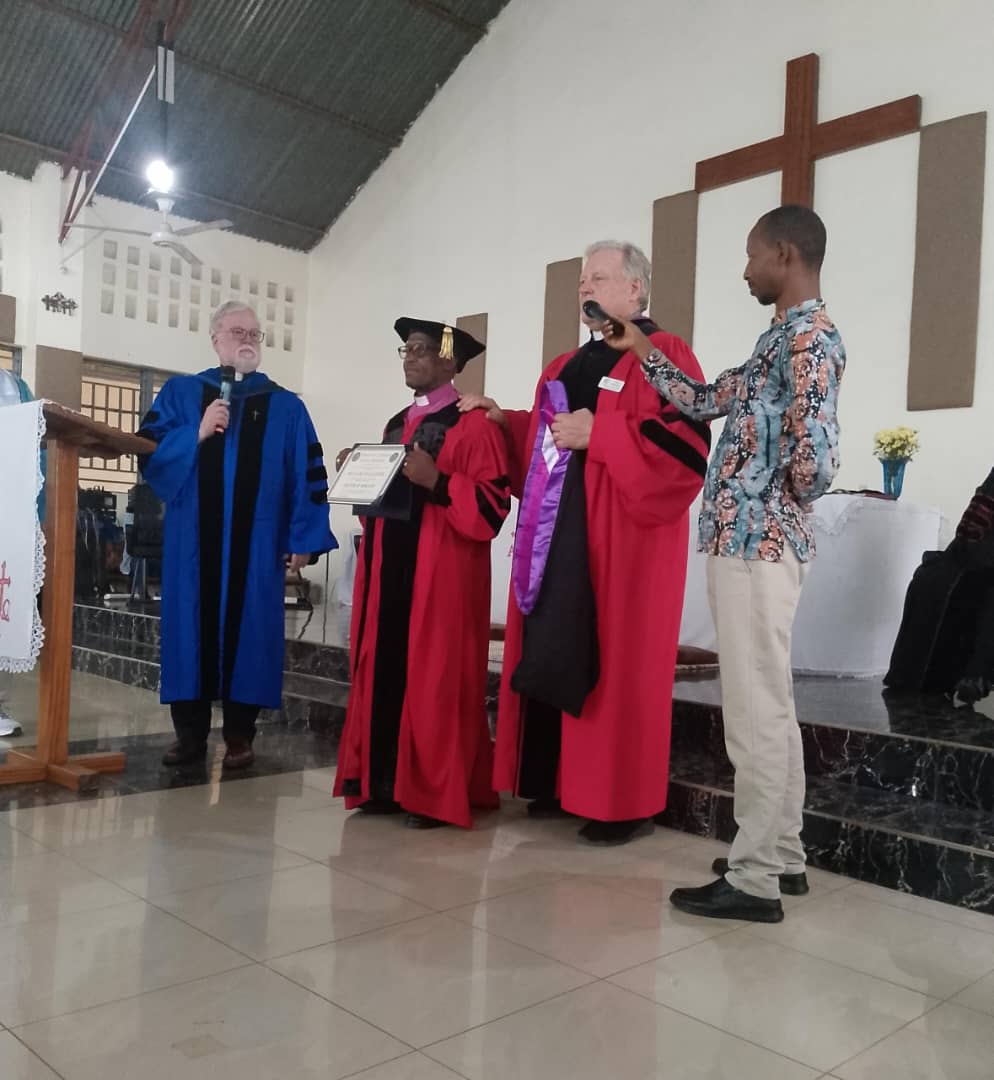
Graduation represents not only academic completion, but also preparation for continued service to the church and the wider community.
Building the Future of Pastoral Leadership
The rise of bi-vocational ministry calls for a serious response from seminaries, congregations, denominations, and individual leaders. Churches need pastors who can preach and teach, but they also need leaders who understand community life, economic pressure, cultural change, and the daily realities of working families.
A practical, self-paced formation model can help meet that need without separating theological education from ministry. It can support leaders who remain rooted in their communities, pursue academic excellence, and respond to God’s call with patience and courage.
Emmanuel Lutheran Global Seminary invites called leaders, congregations, and ministry partners to participate in this shared mission: preparing faithful, competent, and compassionate pastoral leaders for churches and communities around the world.
For more information or to discuss your personal discernment and formation plan, please reach out to us via email at Team@ELGS.org. We would be excited to speak with you!
Comments