
Transforming Your Town: A Pastor's Seminary Playbook
- team
- 3 days ago
- 7 min read
Meta description: Discover a practical seminary playbook for pastors who want to listen, build partnerships, serve neighbors, and lead lasting community renewal through faith in action.
URL slug:/post/seminary-community-renewal-playbook
Publication schedule: August 22, 2026, at 9:00 AM EST, America/New_York
A seminary education should prepare pastoral leaders for more than preaching and administration. It should help them listen carefully, interpret their community faithfully, build strong partnerships, and serve neighbors with wisdom and courage. A pastor pursuing community renewal begins with a clear conviction: the church is called to love God and love the people God has placed nearby.
Community renewal is not a campaign built around a few large events. It is a long-term ministry of presence, prayer, discernment, collaboration, and measurable service. The following playbook offers practical steps for pastors and congregational leaders who want to move from good intentions to faithful action.
Begin with Prayer, Presence, and a Clear Calling
A pastor cannot lead lasting renewal without first deepening personal spiritual formation. Prayer, Scripture, worship, and pastoral accountability keep community work centered on God’s mission rather than personal recognition. In the Lutheran tradition, service flows from God’s grace, and vocation directs ordinary gifts toward the well-being of one’s neighbor.
The first step is therefore not launching a program. It is establishing a sustainable rhythm of prayer and presence.
Pray for the people, institutions, and needs within the community.
Walk through the neighborhood and observe its strengths and challenges.
Speak with residents without assuming that church leaders already understand their concerns.
Invite congregational members to share what they see, hear, and experience.
Record emerging themes and continue listening before choosing an initiative.
A pastor engaged in this work should remain visible beyond the sanctuary. Regular visits to schools, businesses, civic meetings, community centers, and nonprofit organizations can reveal where God is already bringing people together. This presence creates trust, and trust becomes the foundation for responsible ministry.
Know the Community Before Designing the Ministry
Community renewal requires both theological reflection and careful observation. A congregation should understand local conditions related to housing, employment, education, health, food access, transportation, immigration, aging, and youth development. Data provides useful direction, but personal stories reveal how those conditions affect real households.
The Pew Research Center’s religion research can help pastors understand broader patterns in religious participation and public life. Local government reports, school district information, census data, and conversations with residents can provide more specific insight into the neighborhood surrounding the congregation.
A useful community assessment should identify three things:
This process prevents the church from treating neighbors as projects. It helps the congregation recognize that community members possess wisdom, resilience, and leadership. Renewal becomes a shared undertaking rather than a service delivered from a distance.
Build Relationships Before Building Programs
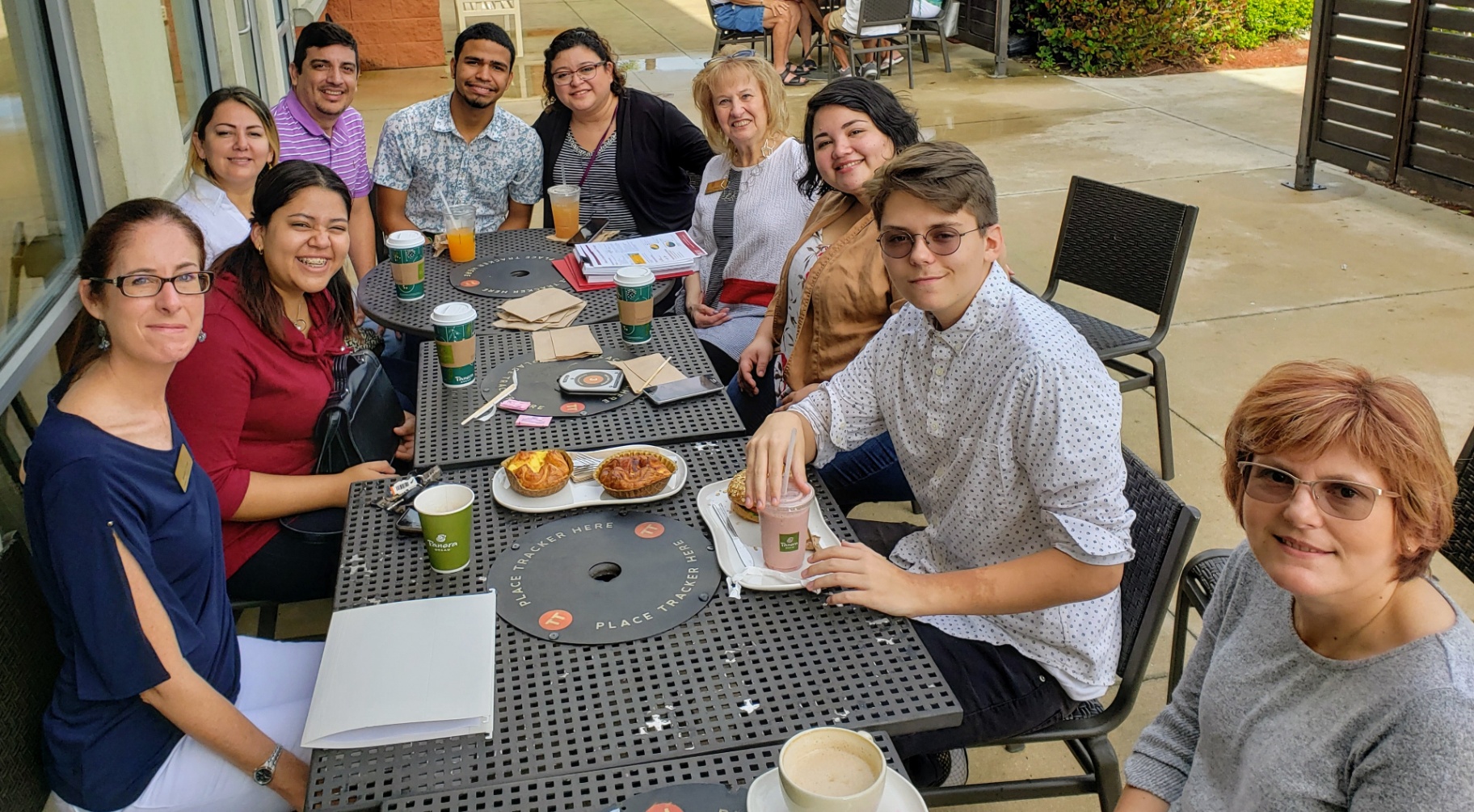
A pastor seeking community transformation should prioritize relationships over immediate results. Schools, social service agencies, local businesses, public health workers, cultural organizations, other congregations, and civic leaders may already be addressing the concerns the church has identified. The congregation’s first responsibility is to learn how it can contribute without duplicating existing work.
The Lutheran World Federation’s work in humanitarian development, justice, peace, theology, and church mission illustrates how Lutheran communities connect faith with practical service and public witness. Local congregations can apply the same principle at a smaller scale by working with partners for the good of the whole community.
A pastor can begin with a simple partnership process:
Create a list of organizations and leaders already serving the neighborhood.
Schedule listening meetings with at least five potential partners.
Ask each partner what is working, what is missing, and what collaboration would be helpful.
Identify one shared concern that fits both community needs and congregational capacity.
Define clear responsibilities before announcing a public initiative.
Strong partnerships require humility. The pastor must be willing to share leadership, respect professional expertise, and receive correction. Collaboration also allows a congregation to serve more effectively while protecting volunteers and staff from unsustainable expectations.
Choose One Focus for the First 90 Days
Many congregations lose momentum because they attempt to address every problem at once. A more faithful approach is to select one clear area of focus for an initial 90-day period. The issue may involve food insecurity, youth mentoring, senior isolation, employment support, housing navigation, mental health awareness, or another concern identified through listening.
The first project should be specific enough to manage and meaningful enough to matter. For example, “help the community” is too broad, while “connect twenty local families with food and housing resources within ninety days” offers a clearer direction.
A 90-day ministry plan should include:
A defined community concern
A specific group of neighbors to serve
Two or three committed partners
A volunteer coordinator
A modest budget
A short list of measurable outcomes
A date for review and discernment
The purpose of measurement is not to reduce ministry to numbers. Simple metrics help the congregation remain accountable and learn from experience. The pastor should track participation, referrals, partnerships, resources distributed, and stories of change while also making room for prayer, lament, and unexpected developments.
Connect Congregational Gifts with Community Needs
Every congregation contains more vocational knowledge than it may realize. Teachers can support tutoring. Health professionals can offer education and referrals. Tradespeople can assist with repairs. Administrators can organize systems. Retired members can provide transportation, mentoring, or companionship. Young adults may bring energy, technology skills, and new perspectives.
A seminary formation process should help pastoral leaders recognize how secular experience can serve ministry. ELGS emphasizes this integration through contextual learning in the Master of Divinity program, where students connect theological study with the work they are already doing in their churches, communities, and vocations.
A pastor can create a congregational gifts inventory by asking members:
What skills do you use in your work or daily life?
What community concerns matter deeply to you?
What type of service can you offer each month?
What relationships or local knowledge could strengthen a ministry project?
What support would help you serve faithfully?
This exercise turns passive membership into active vocation. It also helps the pastor form teams around callings rather than relying on the same small group of volunteers for every task.
Equip Leaders for Faithful and Skilled Service
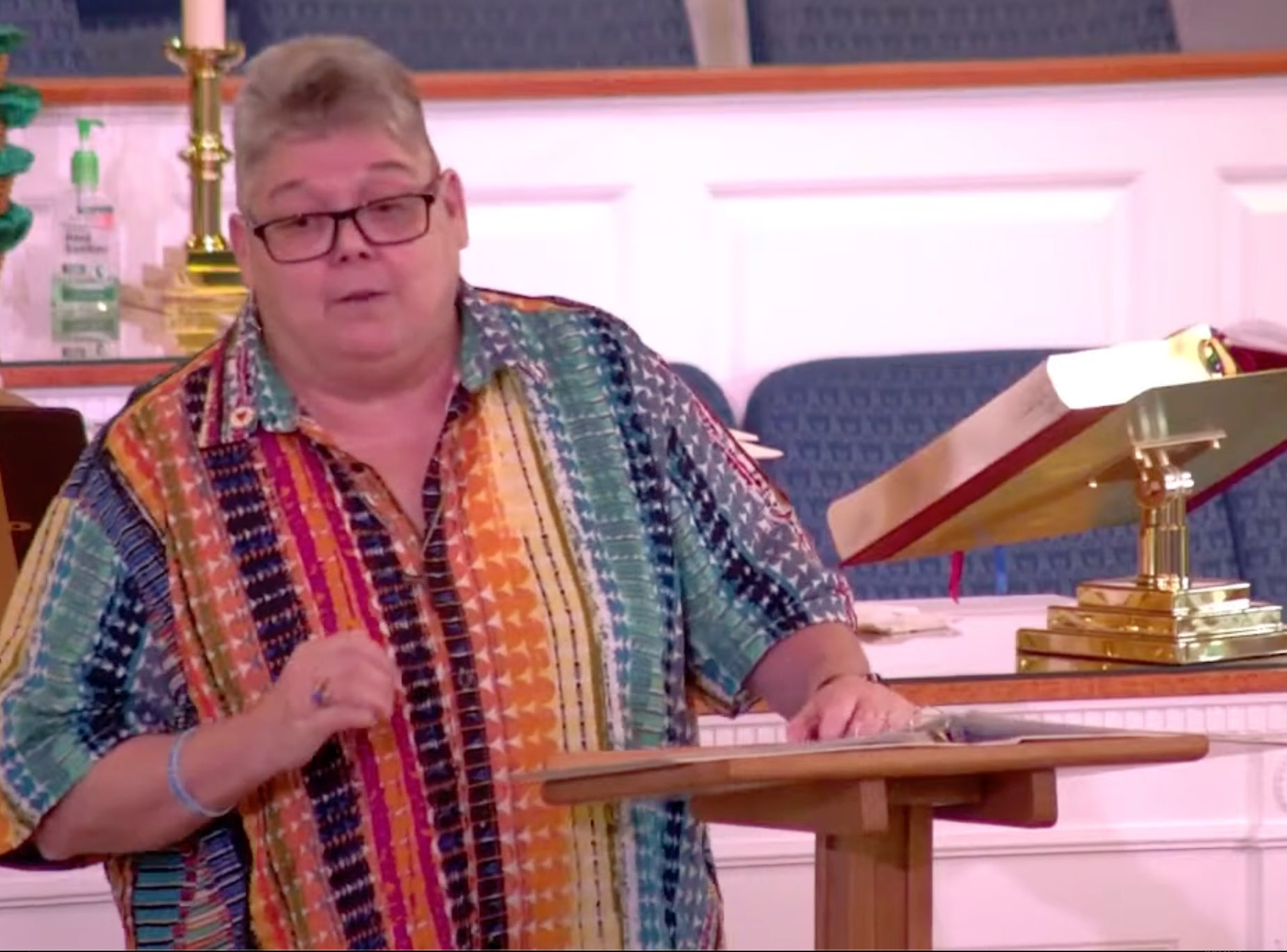
Community renewal requires more than enthusiasm. Volunteers and ministry leaders need training in communication, safeguarding, cultural humility, confidentiality, conflict resolution, referral practices, and appropriate boundaries. A church serving vulnerable neighbors must understand when pastoral care is appropriate and when professional intervention is necessary.
The pastor should establish a brief training process before the first project begins. Training can include a review of the ministry purpose, partner roles, safety expectations, referral procedures, and methods for receiving feedback. It should also include prayer and theological reflection so that service remains connected to the congregation’s confession and worship.
Competency-based theological education is especially valuable for this kind of leadership. As explained in ELGS’s discussion of the future of the seminary, ministerial preparation should develop demonstrated skills in preaching, care, collaboration, ethical leadership, and community engagement.
Practice Cultural Humility in a Diverse Community
A town may include several languages, ethnic traditions, generations, economic realities, and religious communities. Pastoral leaders must approach this diversity with respect and a willingness to learn. Cultural humility requires ongoing self-examination, careful listening, and a commitment to share decision-making with people who understand the community from within.
The pastor should ask whose voices are missing from the leadership table. A renewal team that reflects the community’s diversity is more likely to identify overlooked needs and design trustworthy responses. It also communicates that every person has dignity and that the church does not confuse leadership with control.
ELGS explores this responsibility in its resource on serving multicultural communities with faith and excellence. Local engagement and global awareness belong together because the church serves one body across cultures and borders.
Tell the Story with Honesty and Gratitude
A congregation should regularly share what it is learning. Stories of changed lives can encourage members, strengthen partnerships, and invite wider participation. However, stories must be shared with consent, dignity, and care. The church should never use a neighbor’s hardship as a marketing tool.
A strong ministry report combines simple data with human testimony:
What need did the project address?
Who participated?
Which partners contributed?
What changed for neighbors?
What did the congregation learn?
What should continue, change, or end?
The goal is not to claim that one church solved a complex problem. The goal is to give thanks for God’s work, honor the contributions of neighbors and partners, and practice honest stewardship. Transparent reporting builds credibility and helps the congregation discern its next faithful step.

Protect the Long-Term Return on Ministry Investment
Community renewal is a spiritual responsibility, but it also requires wise stewardship of time, money, and leadership energy. A project that depends on one exhausted pastor or three overextended volunteers will not remain healthy. The congregation should plan for shared leadership, realistic budgets, regular evaluation, and appropriate rest.
For students considering seminary, the return on investment includes more than a credential. ELGS’s in-context, competency-based model allows many working adults and global students to remain engaged in their current responsibilities while developing practical ministerial skills. The ELGS approach to removing financial barriers also speaks to a critical concern for prospective students: the opportunity to graduate without the burden of traditional debt.
Financial freedom can expand ministry choices. A pastor who is not overwhelmed by educational debt may have greater flexibility to serve a small congregation, accept a mission appointment, or invest time in community development. Affordable theological education therefore supports not only the student, but also the communities that future pastoral leaders will serve.
From Local Effort to Collective Mission
A pastor’s playbook for community renewal begins with one faithful step: praying, listening, and learning the neighborhood’s true story. It grows through partnerships, vocational service, practical training, and humble evaluation. Over time, a congregation can become a trusted neighbor that proclaims the Gospel through Word and Sacrament while also practicing compassion, justice, reconciliation, and tangible care.
The future of pastoral ministry belongs to leaders who can connect theological wisdom with faithful action. Emmanuel Lutheran Global Seminary equips students to pursue that calling through rigorous, affordable, accredited, competency-based education grounded in real ministry contexts. Prospective students, congregations, and partners are invited to join this collective mission of preparing leaders who will serve and transform communities with faith, love, and excellence.
For more information or to discuss your personal discernment and formation plan, please reach out to us via email at Team@ELGS.org. We would be excited to speak with you!
Comments