
The Serving Leader: Competency-Based Master of Divinity
Why Humble Service Is the Highest Leadership
Meta description: Discover how a competency-based master of divinity forms humble servant leaders through practical ministry, mentorship, affordability, and faith in action.
URL slug:/post/competency-based-master-of-divinity
Scheduled: August 21, 2026, at 9:00 AM EST, America/New_York
The path toward a competency-based master of divinity begins with more than academic ambition. It begins with a calling to serve God and neighbor through faithful pastoral leadership. For the working adult who is discerning ministry, the journey often includes employment, family responsibilities, congregational service, and a growing desire to connect theological study with practical action.
The serving leader does not seek authority for personal recognition. Instead, the serving leader is pursuing spiritual maturity, engaged in the life of the church, and deepening the skills required to preach, teach, care, organize, and guide a community of faith. Humble service is not a lesser form of leadership. In Christian ministry, it is the foundation of leadership shaped by Christ.
Servant Leadership Begins with a Calling
In the Gospels, Jesus presents leadership through service rather than domination. His ministry centers on compassion, truth, sacrifice, and the restoration of human dignity. Mark 10:45 describes this pattern clearly: the Son of Man came not to be served but to serve.
For an aspiring pastor, this calling requires careful discernment. The student may already be leading teams, managing finances, teaching classes, supporting a family, or serving in a local congregation. These responsibilities are not separate from ministerial formation. They can become important settings where the student learns to practice patience, accountability, wise judgment, and care for others.
The ELCA’s description of Christian faith and service emphasizes that faith frees people to love and serve their neighbors. This Lutheran emphasis connects vocation with daily life, reminding future pastors that ministry is not limited to the pulpit. It is also expressed through listening to the hurting, equipping the gifted, advocating for the vulnerable, and strengthening the life of the congregation.
What Makes a Serving Leader?
Servant leadership is both a spiritual posture and a practical discipline. A pastor must possess humility, but humility must also be demonstrated through specific actions and ministerial competencies.
A serving leader is learning to:
Listen before responding, especially when people bring pain, conflict, or uncertainty.
Practice empathy, recognizing the dignity and complexity of each person.
Teach and preach clearly, connecting biblical truth with the needs of the community.
Share responsibility, helping lay leaders and ministry partners use their gifts.
Steward resources faithfully, including finances, facilities, time, and public trust.
Build community, creating relationships across generations, cultures, and social backgrounds.
Discern wisely, considering both immediate needs and long-term congregational health.
Develop others, mentoring new leaders instead of gathering all authority to oneself.
These qualities require continued practice. A student may understand the meaning of servant leadership in a theological text, but ministerial formation asks a deeper question: Can the student demonstrate servant leadership in a real congregation?
A competency-based approach addresses this question by joining theological knowledge with observable practice. The student is not only studying pastoral care, congregational leadership, Christian ethics, and biblical interpretation. The student is also demonstrating how these areas shape decisions, relationships, worship, and service.
Competency-Based Master of Divinity Formation in Context
A competency-based master of divinity focuses on what a student can demonstrate in ministry. Progress is measured through evidence of learning, reflection, mentorship, and practical application rather than through time spent in a traditional classroom alone.
At Emmanuel Lutheran Global Seminary, students work with mentor teams to connect learning experiences to their current or desired vocational context. A student who is leading worship, developing a youth ministry, coordinating outreach, managing a nonprofit, or caring for a congregation can use those responsibilities as settings for theological reflection and skill development.
The Master of Divinity program at ELGS integrates formation, biblical study, vocational discernment, theological reflection, and practical ministry. Its outcomes include biblical exegesis, gospel proclamation, theology and worship, Christian ethics, collaboration and care, community integration, contextual projects, mentored life, and continuing formation.
This model recognizes that ministry preparation must involve the whole person. The student’s character, theological judgment, relationships, and practical abilities develop together. As a result, the future pastor is not preparing for ministry only after graduation. The future pastor is already engaged in ministry while progressing toward greater competence and responsibility.
From Professional Responsibility to Pastoral Service
Many students enter theological education after years of professional work. Their previous experience may include leadership, education, counseling, administration, health care, technology, public service, or community organizing. These skills do not replace theological formation, but they can become valuable instruments for ministry when placed under the guidance of Scripture, the Lutheran tradition, and the Holy Spirit.
For example, a professional who has managed teams may already understand planning, communication, and accountability. In a congregation, those skills can support ministry coordination, volunteer development, and collaborative decision-making. A person with experience in counseling may bring strong listening skills to pastoral care while continuing to develop appropriate theological and ethical boundaries.
The educational task is to help the student interpret these abilities through a ministerial lens. Leadership becomes stewardship. Administration becomes service. Public communication becomes proclamation. Strategic planning becomes an instrument for congregational mission. The student moves from relying primarily on professional accomplishment to understanding every gift as something entrusted for the sake of the church and the neighbor.
This transformation is not instant. It develops through prayer, study, feedback, repentance, and faithful practice. The student is deepening a pastoral identity that places Christ, the congregation, and the needs of the community ahead of personal status.
The Local Church as a Place of Formation
Serving leaders are formed among real people with real needs. The local church provides a setting where theological ideas are tested through worship, pastoral conversations, Bible study, community outreach, and shared leadership.
The ELGS approach to in-situ pastoral formation allows students to remain connected to their communities while pursuing rigorous theological education. This arrangement is especially meaningful for working adults and international students who cannot leave their current responsibilities for a residential program.
Learning in context also benefits the congregation. Members can observe a leader’s growth and contribute encouragement, wisdom, and constructive feedback. The church receives fresh theological insight while the student gains a deeper understanding of the people they are called to serve.
A local ministry setting also reveals the difference between leadership as control and leadership as care. A student may need to navigate disagreement over worship, guide a difficult meeting, support a grieving family, or develop a ministry with limited resources. Each situation becomes an opportunity to practice discernment, patience, collaboration, and faithful stewardship.
A Practical Process for Developing Servant Leadership
Servant leadership grows through intentional habits. A student pursuing a competency-based master of divinity can use the following process throughout formation:
Begin with prayerful self-examination. The student considers motives, strengths, fears, and areas requiring growth.
Listen to the community. The student seeks to understand the congregation before proposing solutions.
Connect practice with theology. The student asks how Scripture, Lutheran theology, and Christian ethics inform each ministry decision.
Invite mentorship. Experienced pastors, faculty members, and ministry partners provide guidance and accountability.
Document evidence of growth. The student records projects, sermons, pastoral encounters, leadership decisions, and reflective conclusions.
Receive feedback with humility. The student treats correction as an opportunity for greater faithfulness rather than as a threat to personal identity.
Equip others for ministry. The student shares responsibility and helps congregants recognize and develop their spiritual gifts.
This process moves formation beyond abstract ideals. It helps the student demonstrate that humility is visible in listening, collaboration, responsible action, and a willingness to develop others.
The Return on Investment of Faithful Preparation
The return on investment of theological education is measured first in faithful service, stronger congregations, and communities touched by the love of Christ. Financial stewardship also matters, especially for students entering ministry with family and employment responsibilities.
ELGS is committed to flexible, affordable, accredited theological education that respects the realities of working adults and global students. Because learning takes place in context, students can remain engaged in their churches and communities while they pursue formation. This can reduce the costs associated with relocation, residential living, and leaving employment.
A carefully planned pathway can help students graduate without the burden of traditional debt. That financial freedom may allow a pastor to serve where the need is greatest rather than choosing a ministry position primarily because of salary. It can also support healthier family life and more sustainable long-term service.
The ELGS commitment to removing financial barriers reflects a broader concern for the health of the church. Affordable education is not a reduction in academic excellence. It is a form of stewardship that opens theological education to more people who are responding to God’s call.
From Humble Service to Community Transformation
As the student progresses, current responsibilities begin to take on a new significance. Work experience, congregational involvement, family life, and community relationships become part of a larger story of vocation. The student is moving from uncertainty toward greater pastoral clarity, from isolated responsibility toward shared leadership, and from personal development toward communal mission.
The future pastor will need more than a strong résumé or a collection of theological concepts. The future pastor will need the wisdom to serve across cultural differences, the courage to address injustice, the skill to organize ministry, and the humility to remain teachable.
This is why servant leadership is the highest form of leadership in ministry. It does not diminish the leader. It directs the leader toward the good of others and toward the mission of God. It forms pastors who are prepared to proclaim the Gospel, administer Word and Sacrament faithfully, care for people in difficult seasons, and invite the whole church into active service.
A Shared Call to Faith in Action
The serving leader’s journey is personal, but its purpose is collective. Every student who grows in theological knowledge, pastoral skill, and spiritual maturity contributes to the renewal of congregations and the transformation of communities.
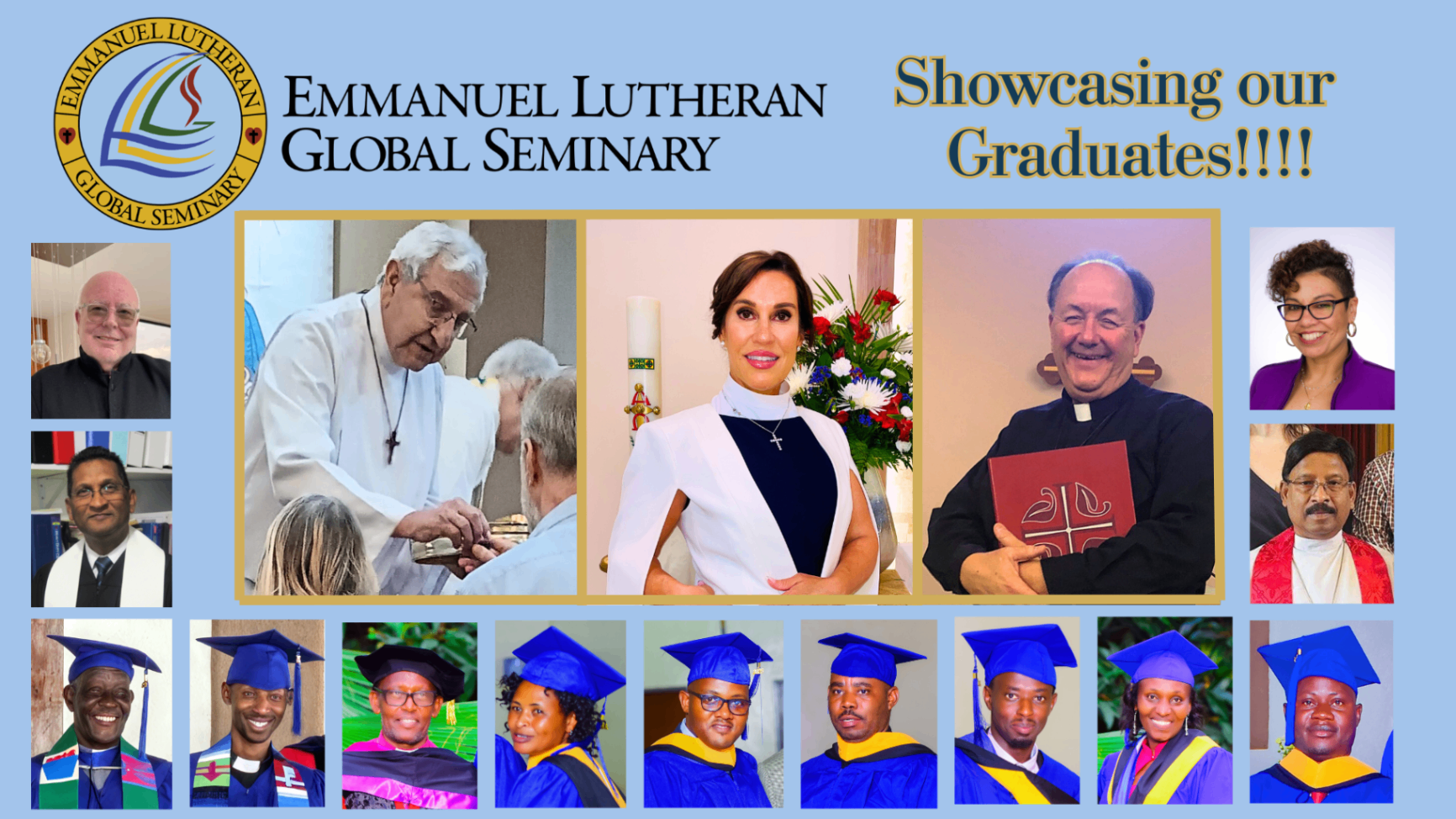
Emmanuel Lutheran Global Seminary invites those discerning pastoral ministry to pursue an educational pathway where faith and action remain connected. Through competency-based formation, in-context learning, mentorship, affordability, and commitment to the Lutheran theological tradition, students can prepare to lead with wisdom, compassion, and excellence.
The church needs leaders who are willing to listen deeply, serve faithfully, and equip others for ministry. Together, students, congregations, mentors, and theological educators can participate in that mission.
For more information or to discuss your personal discernment and formation plan, please reach out to us via email at Team@ELGS.org. We would be excited to speak with you!
Comments