
From Classroom Theory to Community Transformation: How Competency-Based Learning Prepares the Modern Pastor
The landscape of spiritual leadership is undergoing a profound shift in the twenty-first century. For decades, the traditional path to ministry required students to leave their communities and spend years in ivory towers. Today, a new model is emerging that prioritizes practical skill and spiritual depth within the local church. This innovative approach is known as competency-based theological education. It is designed to prepare leaders who can navigate the complexities of modern ministry while remaining deeply rooted in Lutheran tradition.
Emmanuel Lutheran Global Seminary is at the forefront of this movement. We provide a path that is both academically rigorous and deeply practical. Our programs focus on what a student can actually do in a ministry setting. This ensures that every graduate is ready to lead from the very first day of their call. By choosing this model, students can graduate without the burden of traditional debt. This financial freedom is essential for the long-term health of our leaders and their congregations.
The call to ministry is a sacred journey that requires both wisdom and action. Traditional lecture halls often struggle to bridge the gap between academic study and the daily needs of a parish. Our affordable seminary model closes this gap by making the local congregation the primary classroom. Students do not just read about pastoral care; they provide it under the guidance of experienced mentors. This integrated method ensures that learning is always relevant and immediately applicable.
The Practical Power of Competency-Based Theological Education
The core of our pedagogy is the belief that ministry is a craft learned through practice. In a competency-based system, we define the specific skills and character traits a pastor must possess. Students must then demonstrate mastery of these areas in their real-world contexts. This moves the focus away from simply passing a test or writing a paper. Instead, it focuses on the holistic development of the person as a leader, teacher, and servant.
Learning in context allows for a rich integration of faith and life. When a student encounters a difficult pastoral situation, they can bring it directly into their studies. They work with their mentors to find theological and practical solutions that serve their specific community. This creates a feedback loop that strengthens both the student and the local church. You can read more about why your local context is the best classroom on our blog.

This educational model is also highly flexible for working adults. Many of our students are already serving in lay leadership or working in secular careers. The competency-based structure honors their existing experience and allows them to progress at a pace that fits their lives. It does not force a person to choose between their current responsibilities and their call to ministry. Instead, it weaves the two together into a unified journey of formation and growth.
The Association of Theological Schools has established clear guidelines for this type of education. These standards ensure that while the delivery method is innovative, the quality of the education remains high. Our students must meet rigorous academic benchmarks that are equivalent to any traditional program. The difference lies in how they reach those benchmarks and how they prove their readiness for service. This commitment to excellence is what defines our graduates.
An Affordable Seminary for Sustainable Ministry
One of the greatest challenges facing modern pastors is the weight of student loans. High debt levels can limit where a pastor can serve and how they can lead. We believe that financial barriers should never stand in the way of a divine calling. As an affordable seminary, we have intentionally designed our tuition structure to be accessible. We prioritize the financial health of our students so they can focus on their mission rather than their bills.
The return on investment for a competency-based program is significant. Students can continue to work and earn an income while they complete their studies. They do not have to pay for expensive relocation or housing costs associated with a physical campus. This allows many of our students to graduate without the burden of traditional debt. This is a critical component of our mission to empower leaders for the global church.
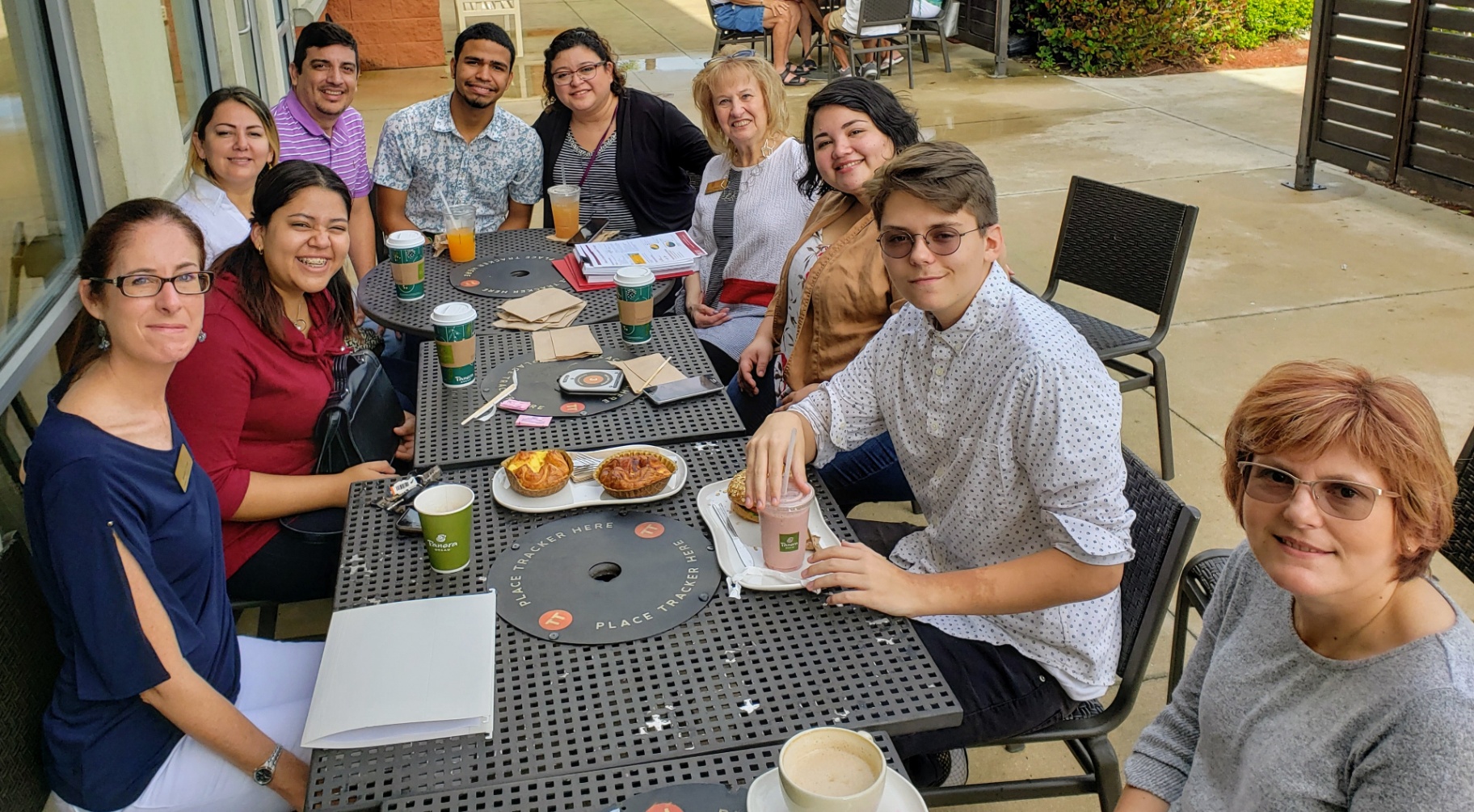
When a pastor enters their first call debt-free, they bring a sense of freedom to their ministry. They are not pressured to seek higher-paying positions just to satisfy creditors. Instead, they can go where the need is greatest, whether that is a rural parish or an urban mission. This sustainability is vital for the future of the Lutheran tradition. We are committed to removing the financial barriers to seminary that have hindered so many gifted leaders in the past.
Research from organizations like the Pew Research Center shows that congregational needs are changing rapidly. Churches are looking for leaders who are not only theologically sound but also fiscally responsible. By modeling good stewardship through an affordable education, our students learn to lead their future congregations toward financial health. This practical wisdom is as important as the ability to preach a powerful sermon or lead a beautiful liturgy.
Balancing Tradition and Innovation in Leadership
The modern minister must be a bridge-builder between the ancient truths of the Gospel and the changing culture of today. This requires a deep respect for Lutheran tradition and a willingness to innovate in how that tradition is shared. Competency-based learning fosters this balance by rooting students in the historic confessions while challenging them to apply those confessions in new ways. It is not about changing the message, but about mastering the methods of delivery in a diverse world.
For example, a student might master the competency of preaching by delivering sermons in multiple settings. They might preach in a traditional sanctuary, a community center, or even a local park. They receive feedback from both faculty and the people they are serving. This process ensures that their preaching is not only biblically faithful but also culturally relevant. It prepares them to speak the truth of God's Word to people from all walks of life.
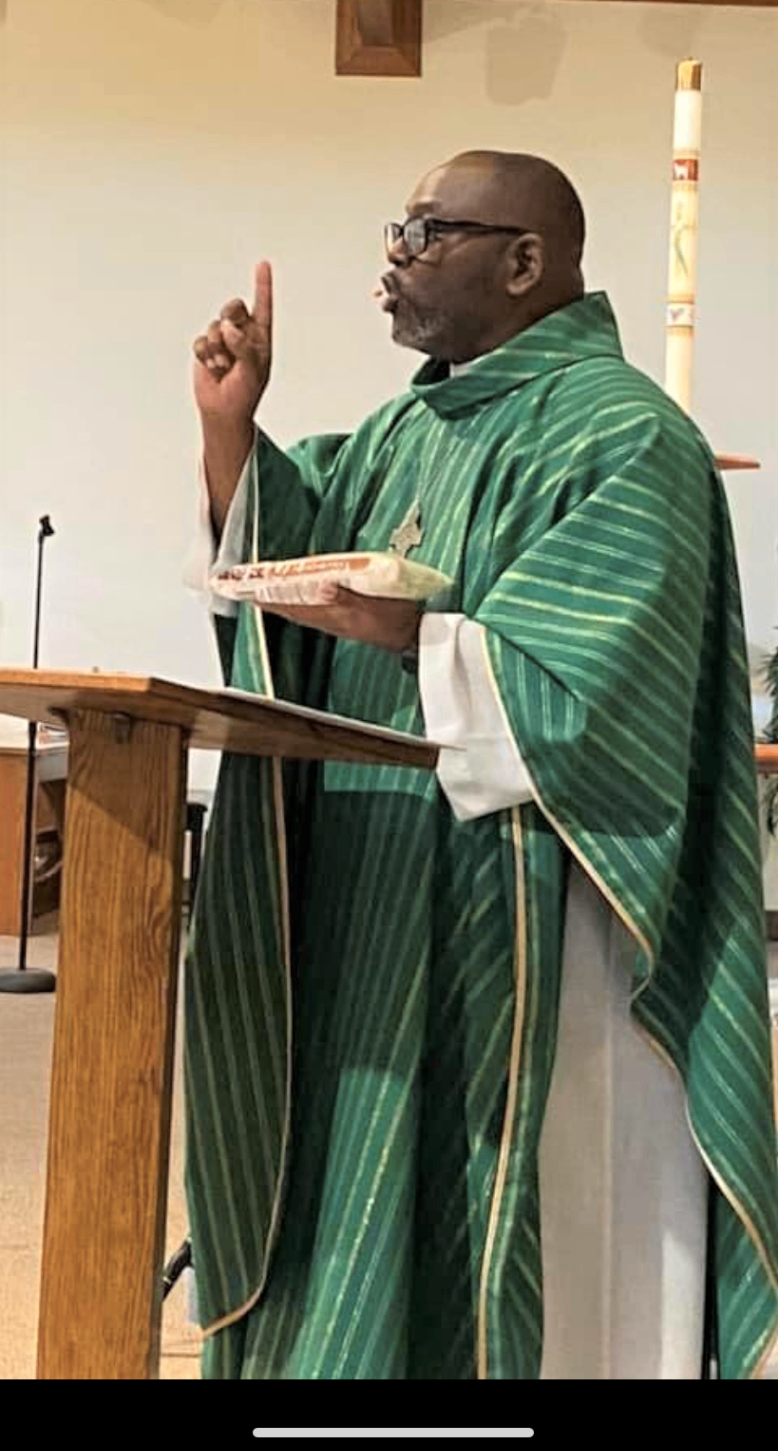
Our curriculum covers a wide range of essential ministerial skills. These include leadership development, pastoral care, community organizing, and educational ministry. Every competency is designed to reflect the real-world demands of a modern pastorate. We use the term "pedagogy" to describe this intentional and structured way of teaching and learning. It is a journey that moves the student from a place of seeking to a place of mastery and confidence.
The formation process is also deeply communal. While the learning is contextual, students are never alone. They are part of a global network of peers and mentors who support and challenge them. This community provides a space for reflection, prayer, and mutual encouragement. It reminds the student that they are part of something much larger than their local context. This sense of global connection is essential for the health and vitality of the modern church.
A Vision for the Future of the Church
As we look toward the future, the need for well-prepared and debt-free pastors has never been greater. The world is hungry for the message of grace and the service of love. By embracing competency-based theological education, we are ensuring that the next generation of leaders is ready to meet this need. We are moving beyond the limits of the traditional lecture hall and into the heart of the community. This is where the Gospel comes alive and where transformation happens.
We invite you to consider how this path of formation might fit your own calling. Whether you are currently serving in a church or just beginning to discern your path, there is a place for you here. Our goal is to equip you with the skills, wisdom, and passion needed to transform your community. Together, we can build a future for the church that is sustainable, faithful, and vibrant. The journey from current state to future ministry is one we are excited to take with you.
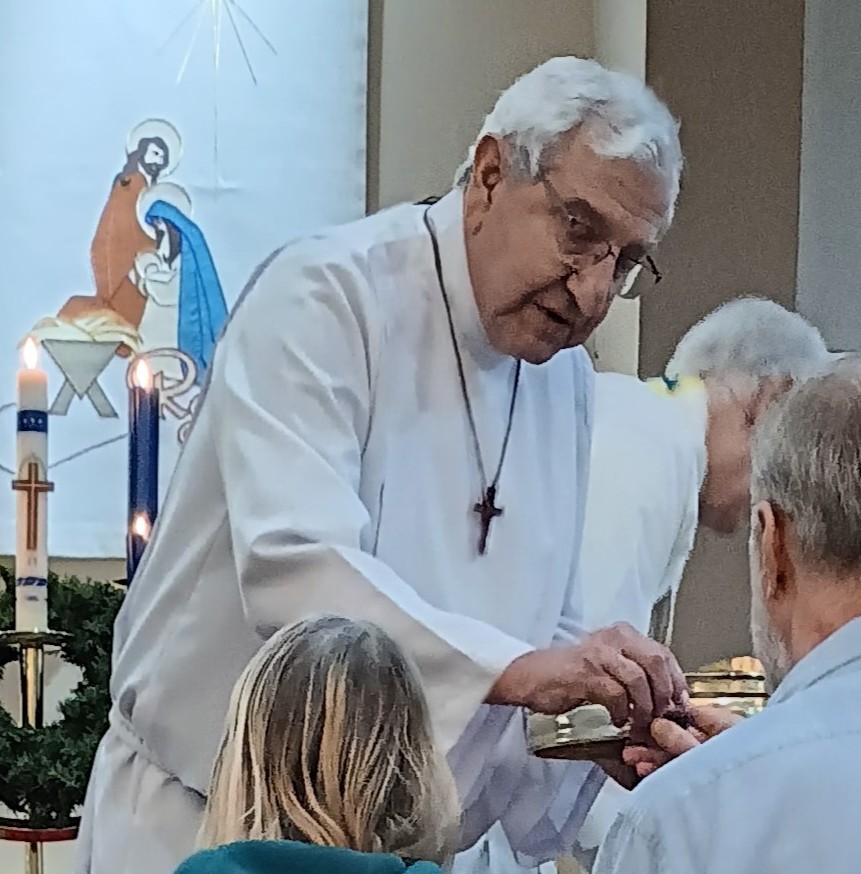
The mission of Emmanuel Lutheran Global Seminary is to serve the world by preparing leaders for Christ's mission. We believe that every person called to ministry deserves an education that is affordable, accessible, and excellent. Our commitment to you is a program that honors your context and respects your financial future. We are dedicated to your growth as a pastoral leader and your success in the ministry to which you have been called.
For more information or to discuss your personal discernment and formation plan, please reach out to us via email at Team@ELGS.org. We would be excited to speak with you!
Comments