
From Pew to Pulpit: Your Ministry Journey Starts Where You Are
In this article: Discover how to transition from the pew to the pulpit through competency-based, in-situ formation at Emmanuel Lutheran Global Seminary. Start your journey today.
The transition from a seat in the congregation to a position of leadership behind the pulpit is one of the most significant transformations a person can experience. This journey is rarely a straight line. It is a process of discernment, education, and spiritual maturation that occurs within the heart of the local church. At Emmanuel Lutheran Global Seminary, this progression is recognized as a sacred calling that does not require a candidate to leave their community to find their purpose.
Every ministry journey begins with a spark of realization. For many, it starts while they are serving on a church committee, teaching a Sunday school class, or simply listening to a sermon and feeling a profound sense of "what if." This initial phase is the foundation of the path from the pew to the pulpit. It is here that the individual recognizes that the work of the Gospel is not reserved for a distant elite but is a calling for the faithful who are already present in the sanctuary.
The Foundation of In-Situ Formation
The traditional model of theological education often demands that a student uproot their entire life. They are expected to leave their job, their family, and their local congregation to move to a secluded campus. Emmanuel Lutheran Global Seminary challenges this outdated paradigm through the practice of in-situ formation. This approach ensures that theological education happens within the very context where the ministry will eventually take place.
In-situ formation means that the local church becomes the primary classroom. The candidate remains engaged with their community while pursuing their academic and spiritual goals. This model recognizes that the most profound lessons in pastoral care and leadership are often learned in the hospital room, the fellowship hall, and the administrative meeting. By remaining in place, the student can immediately apply theological concepts to real-world situations.
Embracing Competency-Based Theological Education
A central component of the modern ministry journey is the shift toward competency-based education. Rather than measuring progress solely by the number of hours spent sitting in a lecture hall, this model focuses on the mastery of specific skills. These skills are essential for effective pastoral leadership in the twenty-first century. This method ensures that graduates are not just theoretically informed but are practically equipped to lead a congregation.
Competency-based learning allows the student to progress at a pace that respects their existing knowledge and life experience. Many individuals who are transitioning from secular careers already possess significant leadership, organizational, and communication skills. Our programs, such as those detailed in accredited theology degrees, honor these existing talents. This approach validates the professional background of the student while layering on the necessary theological depth.
The Financial Wisdom of Debt-Free Education
In the current economic landscape, the cost of higher education is a major barrier for many aspiring leaders. Many prospective students are hyper-aware of the long-term impact of student loans. Emmanuel Lutheran Global Seminary is committed to providing a path where students can graduate without the burden of traditional debt. This financial stewardship is a core value of our mission to equip the global church.
By utilizing a low-overhead model and focusing on learning in context, the seminary provides a high return on investment for the student. The absence of a massive physical campus allows tuition to remain affordable. When a student can pursue their degree for less, they are free to enter the ministry with a focus on service rather than a focus on debt repayment. This freedom is essential for the health of both the pastor and the congregation they serve.

From Listening to Leading: Developing the Voice
The transition from the pew to the pulpit involves a shift in how one interacts with the Word of God. As a layperson, one primarily listens and absorbs. As a pastoral leader, one must learn to interpret, proclaim, and apply the Scriptures to the lives of others. This development of a "pastoral voice" is a key milestone in the ministry journey. It requires a deep dive into biblical studies, hermeneutics, and homiletics.
Research into lay preaching highlights the need for practical instruction in the mechanics of the sermon. Aspiring leaders must learn to choose appropriate texts and translate complex theological ideas into messages that resonate with the needs of their listeners. According to the Pew Research Center, the role of the clergy is evolving as congregations seek more authentic and relatable leadership. Emmanuel Lutheran Global Seminary provides the tools to bridge this gap between academic study and practical proclamation.
The Role of Mentorship in Local Contexts
No one walks the path from the pew to the pulpit alone. The in-situ model thrives on the relationship between the student and a local mentor, typically an experienced pastor or lay leader. This mentorship provides a layer of accountability and wisdom that cannot be replicated in a traditional classroom. The mentor guides the student through the nuances of liturgical practice, conflict resolution, and the daily rhythms of church life.
These relationships are a testament to the "Priesthood of All Believers." When a congregation supports one of its own members in their journey toward ministry, the entire community is strengthened. You can see examples of this collaborative growth in narratives such as Bob's Journey, which illustrates how personal transformation impacts the broader church body. This communal support is the heartbeat of effective theological formation.
Balancing Life, Work, and Study
The modern seminary student is often a "multihyphenate" individual. They may be a parent, a full-time professional, and a dedicated church volunteer all at once. The competency-based model at ELGS is designed specifically for this reality. Because learning is done in context rather than on a computer or a fixed campus schedule, students can integrate their studies into their existing lives. This prevents the burnout often associated with traditional academic programs.
This flexibility allows for a "slow and steady" approach to formation. It acknowledges that spiritual growth takes time and cannot be rushed by an artificial semester schedule. As students move through their modules, they find that their secular work often informs their theological studies. A manager in a corporation may find that their skills in administration are directly applicable to parish management. A social worker may find their experience in counseling provides a head start in pastoral care competencies.
A Vision for Global Impact
While the journey begins in the local pew, the goal is often a global impact. Emmanuel Lutheran Global Seminary is dedicated to training leaders who understand the local context while maintaining a global perspective. The diverse background of our students and faculty creates a rich tapestry of perspectives that enriches the learning process. Our commitment to our impact ensures that every graduate is prepared to serve in an increasingly pluralistic world.
The shift from being a spectator to being a shepherd is an act of courage. It requires a willingness to be vulnerable and a commitment to lifelong learning. The world needs leaders who are rooted in their communities, debt-free in their finances, and competent in their calling. By starting exactly where you are, you allow God to use your current circumstances as the primary soil for your growth.
The Final Step: Entering the Pulpit
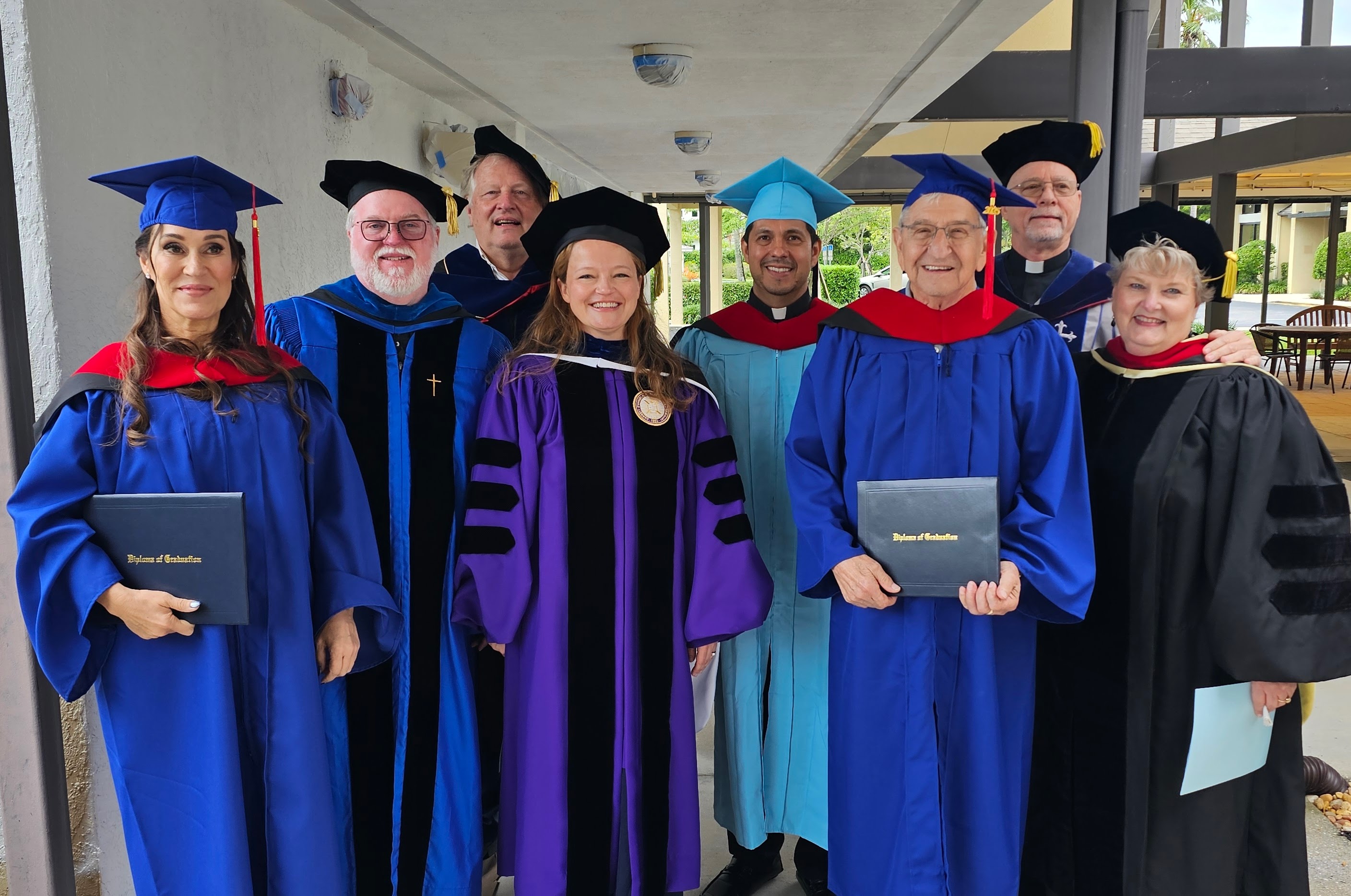
The culmination of this journey is the moment when the student is recognized by the church as a leader. This is not the end of the education, but rather the beginning of a new chapter of service. The individual who once sat in the pew now stands in the pulpit, equipped with the theological depth and practical skills necessary to lead others. They have transformed their initial "calling" into a lifelong vocation.
This transition is a cause for celebration within the entire ELGS community. We take pride in seeing our graduates step into roles of influence, whether in traditional parishes, mission starts, or specialized ministries. The path is challenging, but the rewards of following a divine call are eternal. If you feel the stirring of the Spirit leading you toward a new level of service, there is no better time to begin than now.
For more information or to discuss your personal discernment and formation plan, please reach out to us via email at Team@ELGS.org. We would be excited to speak with you!
Comments