
From Seminary to Mission Field: For the Life of the World
- team
- 10 hours ago
- 7 min read
Meta description: Discover how seminary formation turns neighborhood presence into pastoral leadership through vocation, faith in action, affordable learning, and service.
URL slug:/post/seminary-neighborhood-ministry
Publication date: September 1, 2026 Scheduled time: 9:00 AM Eastern, America/New_York
A seminary education is not only preparation for work inside a church building. It is formation for faithful presence among real people, in real neighborhoods, with real needs. For those discerning a call to pastoral ministry, the neighborhood is not a distant mission field. It is the place where vocation becomes visible through listening, service, proclamation, and love.
Emmanuel Lutheran Global Seminary prepares leaders to preach, teach, lead, and serve faith communities in Florida and around the world. Through flexible, affordable, accredited, and competency-based education, students learn in context while continuing to serve their congregations, families, workplaces, and communities.
The Neighborhood as a Place of Vocation
In the Lutheran tradition, vocation is not limited to ordained ministry. God calls every baptized person to serve the neighbor through daily work, family responsibilities, civic life, and relationships. Pastoral leaders help the church recognize these callings and equip people to live them with faithfulness.
A neighborhood includes more than streets and houses. It includes schools, workplaces, small businesses, community organizations, public agencies, families, older adults, children, and people who may have no connection with a congregation. Each person carries a story, a need, a gift, and a place in the wider community.
The church therefore begins neighborhood ministry by paying attention. Pastors and congregations seek to understand the people who live nearby, the pressures they face, and the strengths already present. This work requires humility because faithful leadership starts with listening rather than assuming that the church already knows what the community needs.
The ELCA describes faith as a gift that frees people to love and serve the neighbor. This understanding places faith in action at the center of Christian discipleship. Pastoral leadership helps congregations move from good intentions to steady, practical service.

How Seminary Formation Begins in the Neighborhood
A strong seminary program should connect biblical study and theological reflection with the actual places where students live and serve. The neighborhood becomes a learning site where students can practice pastoral care, examine community needs, develop ministry projects, and reflect on the work of God in the world.
ELGS intentionally uses the student’s congregation and vocational context as part of formation. A student leading worship, organizing community outreach, developing a youth ministry, visiting a person in crisis, or coordinating volunteers may use that work as the foundation for theological learning and assessment.
The Master of Divinity program at ELGS includes formation, biblical study, vocational discernment, theological reflection, and integrated practice. Its outcomes include biblical exegesis, gospel proclamation, theology and worship, Christian ethics, collaboration and care, contextual projects, mentored life, and continuing formation.
This model does not reduce academic rigor. Instead, it asks students to demonstrate that theological knowledge can guide faithful decisions and effective ministry. A student does not only study pastoral care as an idea. The student practices attentive care, receives feedback, reflects on the experience, and demonstrates growth.
The central question is not only what a future pastor knows, but how that knowledge shapes service to God and neighbor.
Four Practices of Faithful Neighborhood Ministry
Pastoral leaders can help congregations develop a sustainable presence through simple and disciplined practices. These practices do not require large budgets or complex programs. They require attention, patience, prayer, and a willingness to work with others.
1. Walk, observe, and pray
Pastors and ministry teams can walk through the neighborhood around the church and the neighborhoods where members live. They can observe gathering places, public needs, community strengths, and changes that may not be visible from inside the sanctuary.
Prayer walks can help leaders name local schools, businesses, homes, parks, shelters, and civic institutions before God. This practice also helps the congregation see the neighborhood as a community of people rather than a mission statistic.
2. Listen before leading
Effective pastoral leadership begins with questions. Church leaders can speak with residents, teachers, nonprofit workers, public servants, business owners, and local families.
Useful questions include:
Listening protects the church from treating neighbors as projects. It creates the possibility of mutual trust and shared responsibility.
3. Partner with existing organizations
A congregation may not be called to create a new program for every need. In many cases, the wisest response is to join work that is already taking place.
A pastor can help members identify local partners, clarify the congregation’s capacity, and choose one area of service for a defined season. Possible areas may include food support, immigrant welcome, tutoring, senior companionship, emergency assistance, addiction recovery, or care for families experiencing grief.
The Lutheran World Federation highlights humanitarian work, justice, peace, dignity, theological education, and leadership development. These priorities remind congregations that local service is connected to the wider mission of the church.
4. Create a rhythm of presence
Neighborhood ministry grows through consistency. A single event may introduce a congregation to local residents, but trust develops when leaders return, keep promises, listen again, and serve with patience.
A congregation might establish a monthly community meal, a weekly tutoring partnership, a pastoral presence at a local gathering, or a regular ministry of visitation. The form may change, but the purpose remains the same: to be present in a way that reflects the love of Christ.
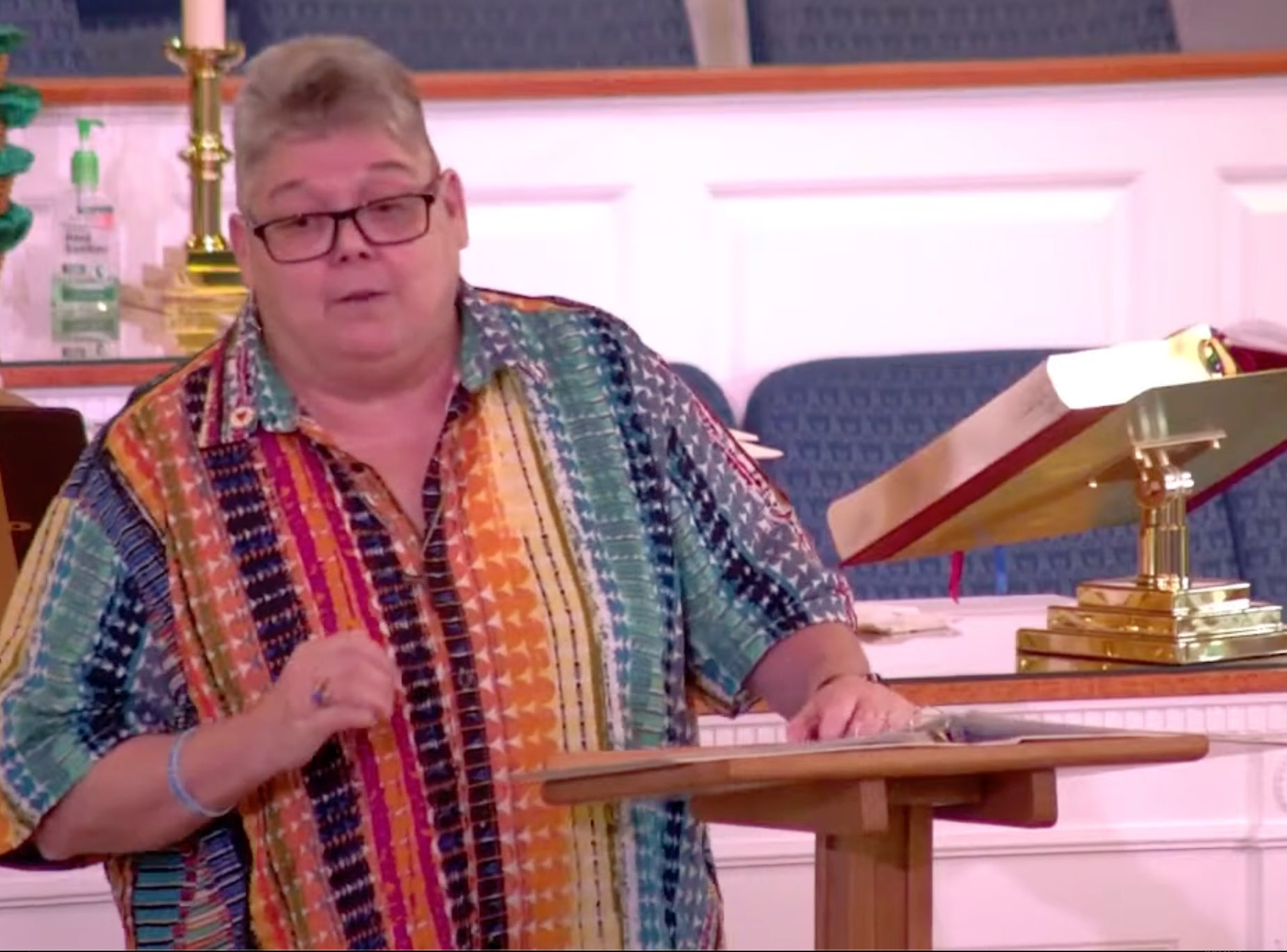
Practical Pastoral Leadership in Context
Neighborhood ministry requires more than compassion. It also requires skills in planning, communication, cultural awareness, conflict management, pastoral care, ethical decision-making, and collaboration. These skills are essential for leaders who must serve congregations while building relationships beyond the church.
A pastor may need to coordinate volunteers, establish appropriate boundaries, work with community partners, protect vulnerable people, manage limited resources, and evaluate whether a ministry is meeting its purpose. These responsibilities connect secular abilities with ecclesiastical service.
For example, a student with experience in management may use those skills to develop a community partnership. A person with experience in education may design a learning program for children or adults. A healthcare worker may bring insight into visitation and care. A business leader may help a congregation create a sustainable budget for neighborhood ministry.
Seminary formation should help students interpret these abilities through Scripture, Lutheran theology, Christian ethics, and pastoral wisdom. The goal is not to separate professional experience from ministry preparation. The goal is to deepen that experience for faithful service.
A 90-Day Path Toward Community Presence
A congregation or ministry team can begin with a focused plan rather than an overwhelming list of goals.
During the first three weeks, leaders can:
During weeks four and five, leaders can:
During weeks six through twelve, leaders can:
At the end of the 90 days, the congregation can review what it has learned and discern the next faithful step. This process helps ministry remain focused, accountable, and responsive.
Affordability Is Part of Ministry Stewardship
Pastoral formation should be accessible to people who are already serving their communities. Working adults, second-career students, international students, parents, and church leaders often cannot step away from their responsibilities for a traditional academic schedule.
ELGS offers learning in context so students can continue working, serving, and supporting their families while pursuing theological education. This structure recognizes that a student’s current ministry setting can become a place of meaningful learning and practical growth.
Affordability also affects the long-term return on investment. Students should consider tuition, books, transportation, housing, lost income, family responsibilities, and the time required to complete a degree. A responsible education plan should support ministry preparation without creating unnecessary financial strain.
Through scholarships and careful planning, students may pursue a path that helps them graduate without the burden of traditional debt. The value of theological education includes academic preparation, but it also includes the freedom to accept ministry opportunities, serve smaller congregations, support church plants, and remain available to communities with significant needs.
Students can review ELGS scholarship opportunities and connect with the admissions team to discuss program expectations, financial planning, and vocational goals.

From Learning in Context to Serving the World
A neighborhood is both local and global. The people who live nearby may represent different cultures, languages, generations, economic conditions, and religious backgrounds. Learning to serve one neighborhood can prepare a pastoral leader to engage a broader and more diverse world.
The future pastor who learns to listen carefully to one family may become better prepared to care for an entire congregation. The student who develops one community partnership may gain the leadership skills needed for wider collaboration. The person who reflects theologically on one ministry challenge may grow in wisdom for many future situations.
This is why seminary education should form the whole person. Biblical knowledge, spiritual maturity, practical skill, vocational discernment, and pastoral character must grow together. The church needs leaders who can proclaim the Gospel clearly, care for people faithfully, and recognize the work of God beyond familiar boundaries.
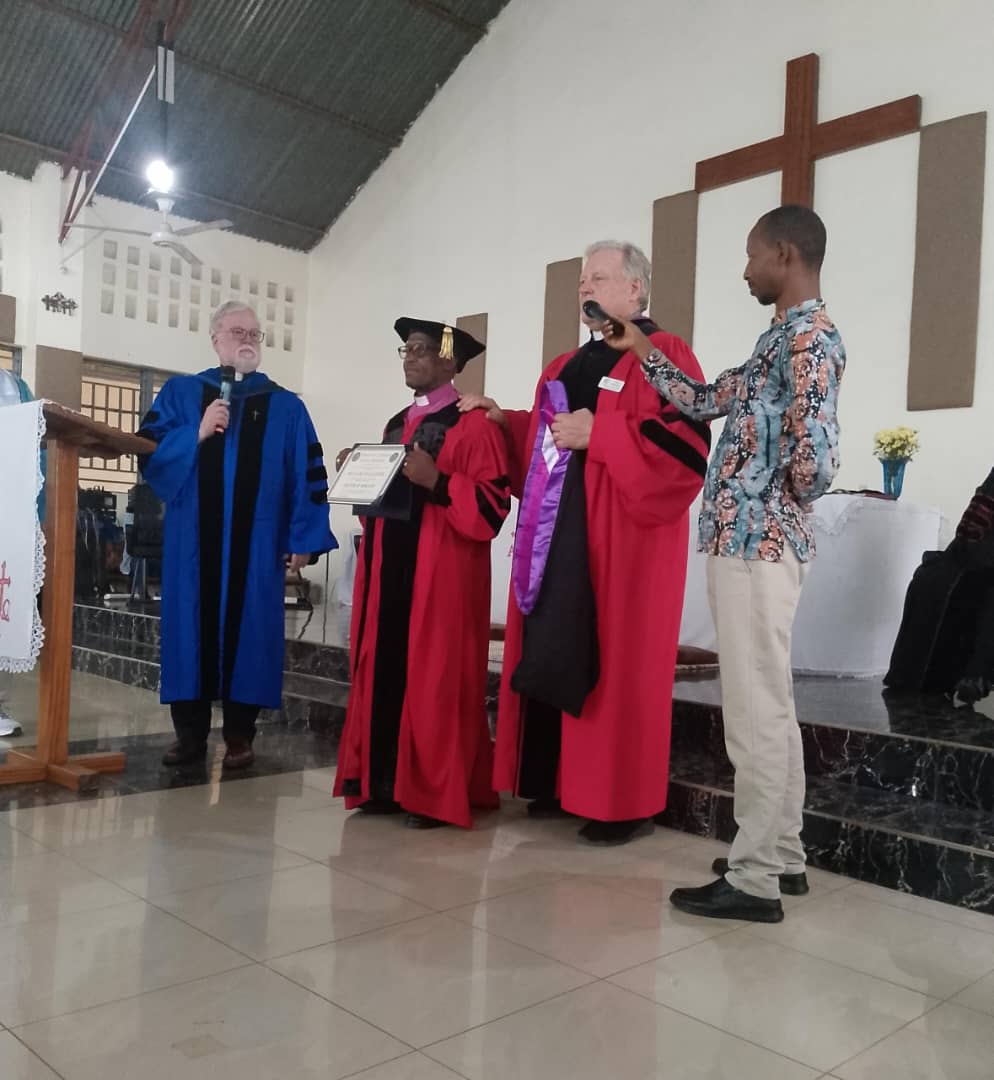
For Emmanuel Lutheran Global Seminary, theological education serves a collective mission. ELGS seeks to prepare well-equipped multilingual and multicultural leaders for congregations and communities in need. Students are formed not only to complete a degree, but also to serve with wisdom, courage, humility, and love.
The neighborhood is already a mission field. It is where people experience loneliness, hope, grief, celebration, injustice, belonging, and daily work. Through faithful presence, the church joins God’s work in the world and bears witness to the grace of Jesus Christ.
Those who are discerning a call to ministry are invited to take the next step. Congregations can encourage emerging leaders, mentors can support practical formation, and church members can participate in ministries that strengthen their communities. Together, the church can move from seminary formation to faithful presence, from learning to service, and from calling to transformation.
For more information or to discuss your personal discernment and formation plan, please reach out to us via email at Team@ELGS.org. We would be excited to speak with you!
Comments