
From On-Call Fatigue to Formed Leadership: How In-Situ Pastoral Formation Rebuilds Sustainable Ministry
- team
- 2 days ago
- 7 min read
Publication date: Sunday, August 30, 2026 Scheduled time: 9:00 AM EST Meta description: Explore in-situ pastoral formation for adults moving from on-call fatigue to formed leadership through church-based learning, mentoring, and affordable ministry. URL slug:/post/in-situ-pastoral-formation-sustainable-ministry
For many people discerning a call to ministry, the present reality is demanding. Work, family care, congregational service, and pastoral responsibilities can create a pattern of constant response. In-situ pastoral formation offers a faithful path from on-call fatigue to formed leadership by placing theological education within the churches and communities where ministry is already taking place.
This approach does not remove the seriousness of theological study. It connects biblical interpretation, Lutheran theology, spiritual formation, pastoral care, and leadership practice with the real needs of a congregation. Through mentoring and demonstrated competencies, students pursue preparation that is academically focused, spiritually grounded, and directly connected to service.
From On-Call Fatigue to Formed Leadership
On-call fatigue often develops when a ministry leader is expected to respond to every crisis without sufficient structure, reflection, or shared responsibility. A pastor or church leader may be caring for grieving families, preparing worship, leading meetings, training volunteers, and managing administration while also attempting to grow in theological understanding.
This pressure does not mean that ministry is failing. It often reveals the need for deeper formation and healthier leadership practices. Pastoral leaders must learn not only how to respond faithfully but also how to discern priorities, establish boundaries, delegate wisely, and lead congregations toward shared mission.
In-situ pastoral formation addresses this need by bringing learning into the student’s existing ministry setting. The local church becomes a place where students can practice, reflect, receive feedback, and develop habits that support sustainable ministry.
The goal is not merely to produce leaders who can survive a demanding schedule. The goal is to form pastors who can lead with theological depth, spiritual maturity, practical competence, and a sustainable rhythm of service.
What In-Situ Pastoral Formation Means
The phrase in-situ means “in the original place.” In theological education, it describes a model in which learning happens within the student’s current or desired vocational context rather than requiring a complete separation from local ministry.
At Emmanuel Lutheran Global Seminary, students can connect their learning experiences with the churches, organizations, workplaces, and communities where they are serving. A student may study Christian ethics while developing a congregational care policy, examine worship theology while planning services, or apply leadership principles while training ministry volunteers.
This structure creates a direct relationship between study and service. Instead of waiting until after graduation to practice ministry, students are engaged in ministerial work while pursuing academic and spiritual development.
The approach also honors the wisdom students already bring. Many candidates have experience in education, health care, administration, nonprofit work, business, social services, or community leadership. These skills can become part of a deeper vocational journey when examined through Scripture, Christian tradition, Lutheran theology, and pastoral reflection.
How Learning in Context Builds Sustainable Ministry
Sustainable ministry requires more than personal endurance. It depends upon theological clarity, practical skill, supportive relationships, and the ability to interpret ministry experiences with wisdom. In-situ pastoral formation strengthens each of these areas through a connected process.
Students may progress through a formation cycle that includes:
Identifying a real ministry need within a congregation or community.
Studying biblical, theological, and ecclesial resources related to that need.
Designing and carrying out a contextual project with appropriate supervision.
Reflecting on the results through writing, conversation, prayer, and theological analysis.
Receiving feedback from mentors and faculty and identifying the next area of growth.
This process helps a student move from reaction to reflection. A difficult pastoral conversation becomes an opportunity to consider pastoral care, human dignity, confidentiality, prayer, and the responsibilities of spiritual leadership. A congregational conflict becomes a setting for learning about Christian ethics, communication, reconciliation, and collaborative governance.
The student is not simply completing an assignment. The student is learning how to interpret ministry faithfully and act with greater wisdom.

The local church provides a meaningful setting for theological study, reflection, and ministerial practice.
Competency-Based Formation Connects Study With Practice
A competency-based master of divinity focuses on what a student can understand, practice, and demonstrate in ministry. This differs from an approach that measures progress only by completed courses or time spent in a classroom.
The Association of Theological Schools identifies competency-based theological education as a model centered on ministry-related competencies, clear assessment, contextual learning, and personal and pastoral formation. This means that theological knowledge remains essential, while practical skill and spiritual maturity are also evaluated.
For a student preparing for pastoral leadership, relevant competencies may include:
Skillful biblical exegesis and theological interpretation.
Clear gospel proclamation and effective teaching.
Theology of worship and liturgical leadership.
Pastoral care, collaboration, and congregational communication.
Christian ethics and faithful decision-making.
Cultural understanding and community engagement.
Personal spiritual formation and continuing vocational growth.
These competencies are especially valuable for leaders who are carrying significant responsibilities. They help students identify which tasks require immediate attention, which responsibilities can be shared, and which ministry practices need further development.
The ELGS Master of Divinity program integrates biblical study, vocational discernment, theological reflection, formation, and practical ministry. Its contextual structure allows students to connect learning with the work they are already doing or preparing to undertake.
A Lutheran Vision of Faithful Leadership
Pastoral leadership within the Lutheran tradition is grounded in the Word of God, the sacraments, the church’s confessional heritage, and service to the neighbor. Formation therefore involves more than acquiring professional techniques. It includes deepening one’s identity as a servant of Christ and steward of the church’s ministry.
Lutheran leaders are called to proclaim the gospel clearly, administer the means of grace faithfully, care for people with compassion, and help congregations recognize their vocation in the world. These responsibilities require both theological confidence and humility.
The Lutheran World Federation’s leadership development work reflects the importance of forming leaders who can serve in changing local and global contexts. Its work highlights theological reflection, responsible leadership, lay participation, and the strengthening of communities across the worldwide Lutheran communion.
In-situ pastoral formation supports this vision because it keeps students attentive to the people and places entrusted to their care. The student does not study ministry as an abstract subject. The student studies in relationship with a real community, its history, its questions, its hopes, and its needs.
The Return on Investment of Church-Based Education
Prospective students in 2026 are rightly examining the financial return on investment of graduate theological education. A ministry degree should contribute to long-term readiness without creating an unsustainable burden for the student or the student’s family.
Learning in context can reduce several indirect costs associated with traditional residential study. Students may be able to remain in their homes, continue employment, serve their congregations, and avoid relocation expenses. These factors can make theological education more accessible to working adults, international students, caregivers, and second-career candidates.
Affordability is not a secondary concern. A responsible educational pathway can help students graduate without the burden of traditional debt while preparing them for meaningful ministry. Reduced financial pressure may also give graduates greater freedom to consider calls in small congregations, mission settings, chaplaincy, community ministries, and underserved areas.
The return on investment also includes practical value. A student may complete a ministry plan, strengthen a discipleship process, develop a pastoral care resource, improve volunteer training, or lead a community project. These outcomes serve the congregation while demonstrating growth toward ministerial competence.
The purpose is not merely to spend less on education. The purpose is to invest wisely in preparation that benefits the student, the congregation, and the wider church.
A Flexible Path for Working Adults
People who search for a lutheran seminary online are often seeking flexibility, accessibility, and a way to remain connected to their calling. ELGS frames that need through competency-based education and learning in context at churches and within local communities.
This distinction matters. Flexibility does not mean a lack of structure, and contextual learning does not mean a lack of academic rigor. Students remain accountable to defined outcomes, mentor guidance, theological reflection, and evidence of ministerial growth.
A sustainable pathway may help students balance several commitments:
Employment and professional responsibilities.
Family care and household obligations.
Congregational service and community leadership.
Personal prayer, spiritual formation, and rest.
Reading, writing, assessment, and mentor engagement.
Such a path still requires discipline. Students must establish a realistic rhythm, communicate clearly with mentors, and protect time for study and reflection. The benefit is that formation becomes integrated with daily life rather than placed in competition with every other responsibility.
The ELGS resource on flexible theological education offers additional perspective on how working adults can pursue theological preparation while remaining active in their communities.
From Present Service to Future Ministry
The movement from fatigue to formed leadership is gradual. A student may begin by responding to immediate needs and then learn to interpret those needs through a broader theological and pastoral framework.
A ministry candidate may start by assisting with worship, visiting members, teaching, or organizing outreach. Through guided learning, that candidate can deepen biblical understanding, strengthen pastoral judgment, and develop a clearer sense of vocation. Existing professional skills can be refined for ministry, while areas of weakness can be addressed through intentional study and practice.
Over time, the student’s role changes. The student is no longer only asking, “How can this crisis be managed?” The emerging leader is also asking, “What is God doing in this community, what does faithful leadership require, and how can the congregation participate in the mission of Christ?”
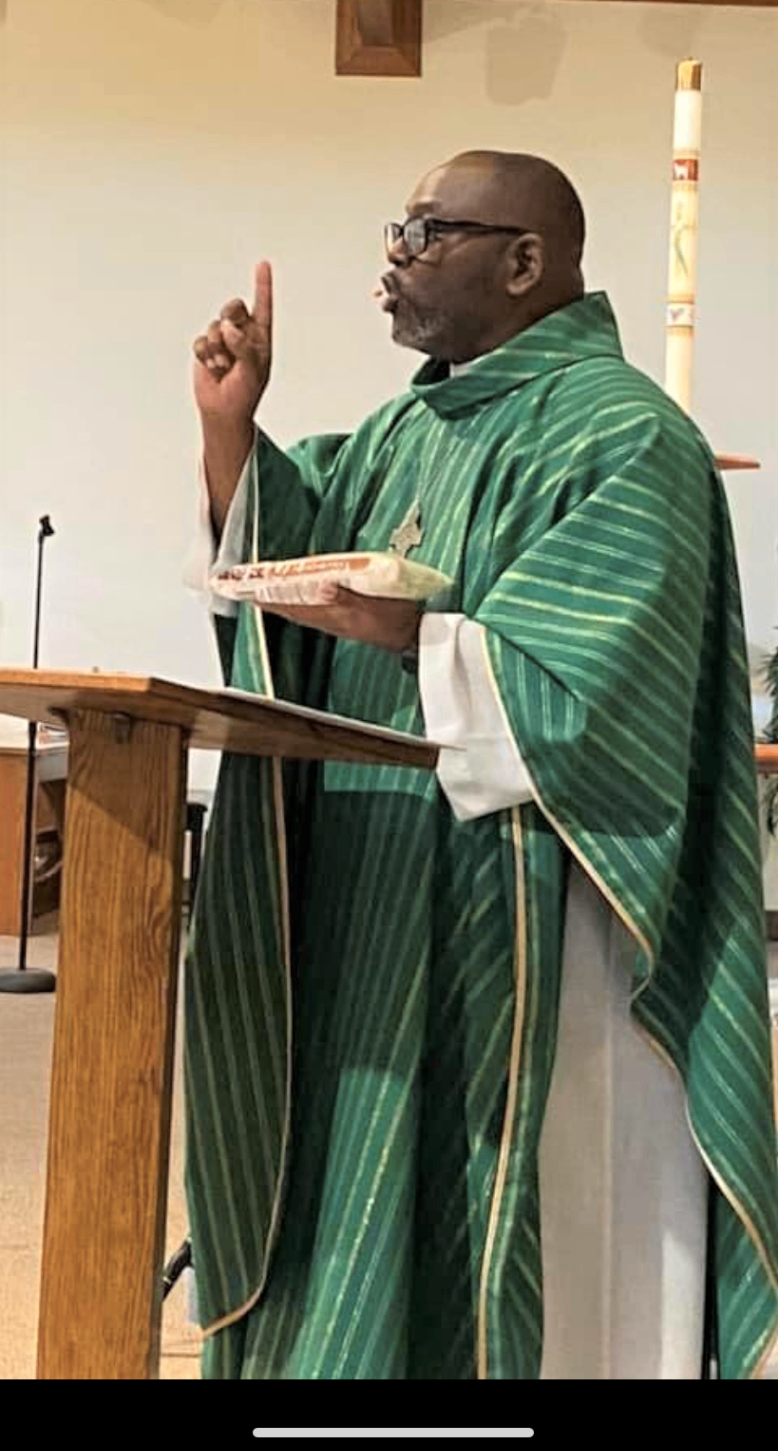
Formed leadership brings theological conviction and practical service together.
A Shared Mission of Formation and Service
In-situ pastoral formation is not an individual project. It requires cooperation among the student, the seminary, local mentors, congregational leaders, family members, and ecclesial partners. Each participant helps create an environment in which learning, accountability, prayer, and service can grow together.
For Emmanuel Lutheran Global Seminary, this shared work reflects a commitment to flexible, affordable, accredited, and high-quality theological education. Students are prepared to preach, lead, train, serve, and transform communities through faith in action and love at the core.
The future of ministry will require leaders who are rooted in Scripture and tradition while remaining attentive to changing communities. It will require pastors who can care deeply without carrying every responsibility alone, and leaders who can pursue excellence while practicing humility, collaboration, and rest.
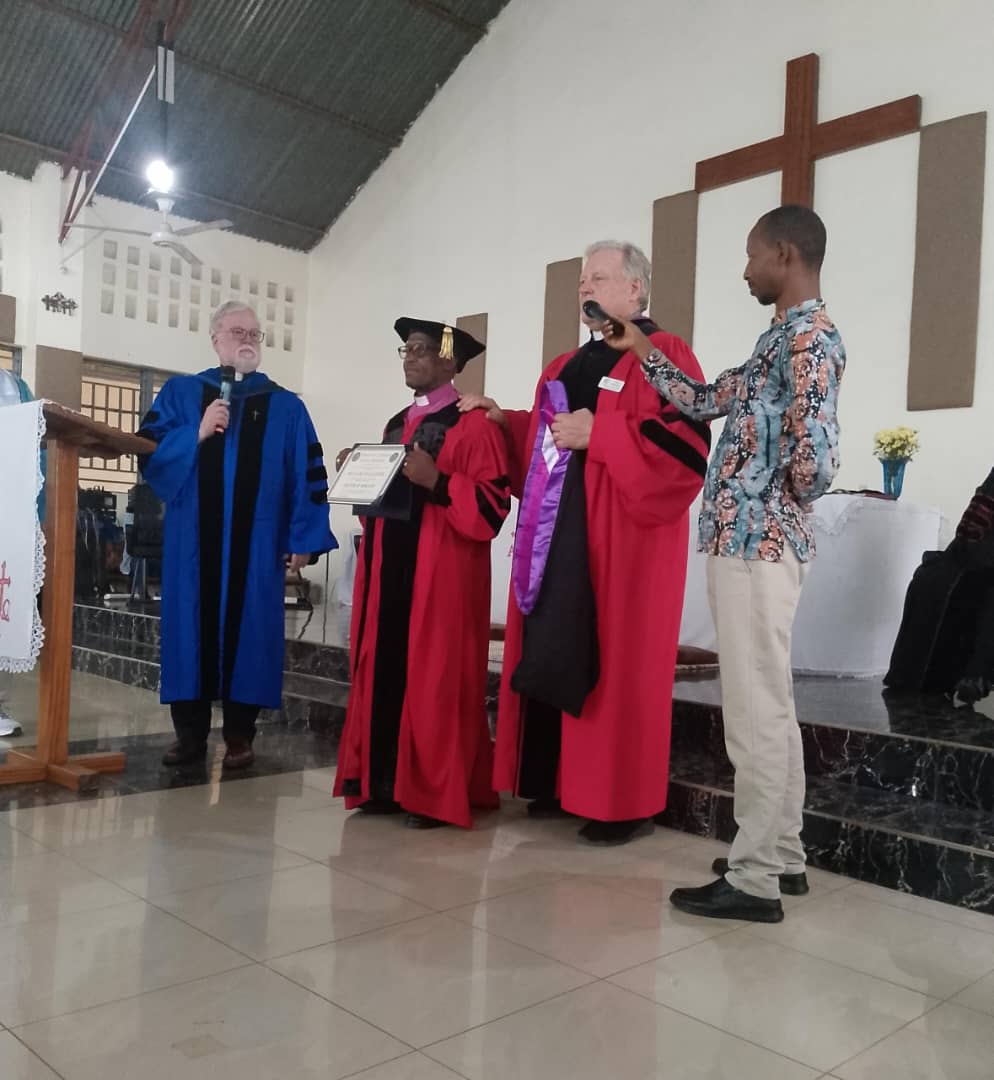
Graduation represents academic achievement, continued formation, and readiness for faithful service.
The movement from on-call fatigue to formed leadership begins with a faithful next step. Students, congregations, mentors, and ministry partners are invited to participate in a wider mission of preparing leaders whose education remains close to the church and whose service reaches the world.
For more information or to discuss your personal discernment and formation plan, please reach out to us via email at Team@ELGS.org. We would be excited to speak with you!
Comments