
From Job to Ministry: Competency-Based Theological Education
- team
- 1 day ago
- 6 min read
The Sacredness of Work: How Your Job Prepares You for Ministry
During Labor Day week, Emmanuel Lutheran Global Seminary invites readers to consider work through the lens of vocation. Competency-based theological education honors the knowledge, character, and practical skills formed through everyday employment, family responsibility, and service to the community.
A person discerning pastoral ministry does not begin with an empty résumé or an unfinished story. The workplace has already shaped that person through deadlines, relationships, conflict, leadership, service, and perseverance. These experiences can become part of a faithful transition from current work to future ministry.
From Daily Labor to a Sacred Calling
Labor Day is a public reminder that work contributes to the strength and well-being of communities. The U.S. Department of Labor explains that the holiday honors the social and economic achievements of workers. For Christians, this recognition can also become a theological reflection on vocation and the dignity of labor.
Lutheran theology rejects the idea that only church activities are sacred. Through the doctrine of vocation, God works through ordinary responsibilities and relationships to serve the neighbor. A teacher, nurse, manager, mechanic, caregiver, business owner, or public servant may be participating in God’s work even when the task does not carry a religious title.
This understanding also reflects the Lutheran emphasis on faith active in love. The Evangelical Lutheran Church in America describes faith as a gift that frees people to love and serve others. The workplace, therefore, can become a setting for integrity, mercy, justice, and faithful presence.
How Competency-Based Theological Education Honors Work
Traditional academic systems often measure progress through completed courses and accumulated credit hours. Those measures have value, but they do not always show whether a person can lead a congregation, care for a grieving family, preach clearly, or resolve conflict with pastoral wisdom.
Competency-based theological education measures demonstrated knowledge, practical ability, and ministerial readiness. It asks what a student can faithfully and effectively do in a real context. This approach honors learning that takes place through professional experience while also requiring disciplined theological study and supervised formation.
At Emmanuel Lutheran Global Seminary, learning takes place in context, including the local church and the communities where students serve. A student may remain engaged in employment while pursuing theological formation, applying new insight to real relationships and responsibilities. The result is an educational process that connects doctrine, spiritual maturity, and practical ministry.

Work experience does not replace theological preparation. Instead, it gives theological preparation a living context. A student studies pastoral care and then considers how to listen more attentively to a colleague. A student studies leadership and then reflects on how authority, accountability, and trust function within a workplace team.
Your Career Is Already Forming Ministry Competencies
The phrase “Your Career Is Your Classroom” captures an important truth about vocational formation. Every profession develops habits and abilities that may later strengthen pastoral leadership. The ELGS reflection on professional success and pastoral leadership explores how a person’s current career can become a foundation for future ministry.
Consider several common workplace experiences and their connection to the pastoral office:
These skills require theological interpretation. The future pastor must learn not only how to lead, but how leadership is shaped by the cross, the Gospel, the church’s public witness, and the call to serve the neighbor.
Work, Study, and the Life of the Working Adult
Many people discern a call to ministry while already carrying serious responsibilities. They may be supporting a household, caring for aging parents, serving a congregation, or maintaining a demanding career. A rigid educational structure can make the call appear impossible, even when the desire to serve is sincere.
The search phrase self paced theology degree reflects this concern. Working adults need an educational pathway that recognizes their responsibilities while preserving academic rigor, spiritual discipline, and meaningful assessment. Flexibility should not mean reduced expectations. It should mean that students can organize formation around the realities of their lives.
Prospective students may also search for an affordable seminary online or for distance learning pastoral ministry. Those phrases often describe a desire for access, but ELGS emphasizes learning in context rather than defining its programs as online. Students remain connected to local churches, mentors, and communities where ministerial skills can be practiced and evaluated.
The ELGS discussion of competency-based ministry formation explains how study, practice, feedback, reflection, and demonstration work together. This cycle helps students grow in confidence while remaining accountable to faculty and ministry mentors.
Building a Strong Return on Investment
The cost of theological education matters. Prospective students in 2026 are carefully considering tuition, lost income, family obligations, and the long-term burden of student loans. A calling to ministry should be approached with faith, but financial stewardship is also part of responsible discernment.
Competency-based theological education can support a strong return on investment by allowing students to remain active in their current work and communities. Students do not need to view employment as an obstacle to formation. Their work can provide income, practical experience, and a daily setting for applying what they learn.
The goal is to help students graduate without the burden of traditional debt whenever their financial plan and program circumstances allow. Affordable education gives future pastors greater freedom to accept calls based on mission and ministry needs rather than overwhelming financial pressure.
A student should evaluate every program carefully, including its academic standards, ecclesial recognition, mentoring structure, assessment process, and total cost. The Association of Theological Schools offers standards and resources that help the public understand the purpose and quality of theological education.

From Workplace Formation to Pastoral Practice
A person’s professional history can prepare the ground for several central areas of ministry. The transition is not automatic, but it becomes fruitful when experience is examined through Scripture, Lutheran theology, prayer, and the guidance of trusted mentors.
A manager may bring experience in strategic planning, yet still need formation in servant leadership. A counselor may understand attentive listening, yet still need theological training in pastoral care, sin, grace, and hope. An educator may communicate well, yet still need preparation in homiletics, sacramental theology, and public proclamation.
Competency-based assessment helps connect these strengths to ministerial outcomes. The student can identify existing abilities, name areas for growth, practice new skills, and receive direct feedback. This process supports humility because it recognizes both what the student already knows and what the student still needs to learn.
The Apostle Paul’s example also provides a useful biblical picture. As explored in the ELGS reflection on Paul’s tentmaking model, professional labor and apostolic service were not always separate activities. Work placed Paul among people, supported his ministry, and gave him a direct understanding of ordinary life.
A Global Vision of Work and Ministry
The dignity of work extends across cultures, occupations, and economic conditions. A global church needs leaders who understand the particular realities of the people they serve. Pastoral formation becomes stronger when students bring the wisdom of their own workplaces, neighborhoods, languages, and cultural traditions.
The Lutheran World Federation highlights justice, peace, reconciliation, dignity, theological education, and the strengthening of church leadership as central areas of its global work. These commitments demonstrate that ministry is not limited to the sanctuary. It reaches workplaces, homes, schools, hospitals, farms, marketplaces, and public institutions.
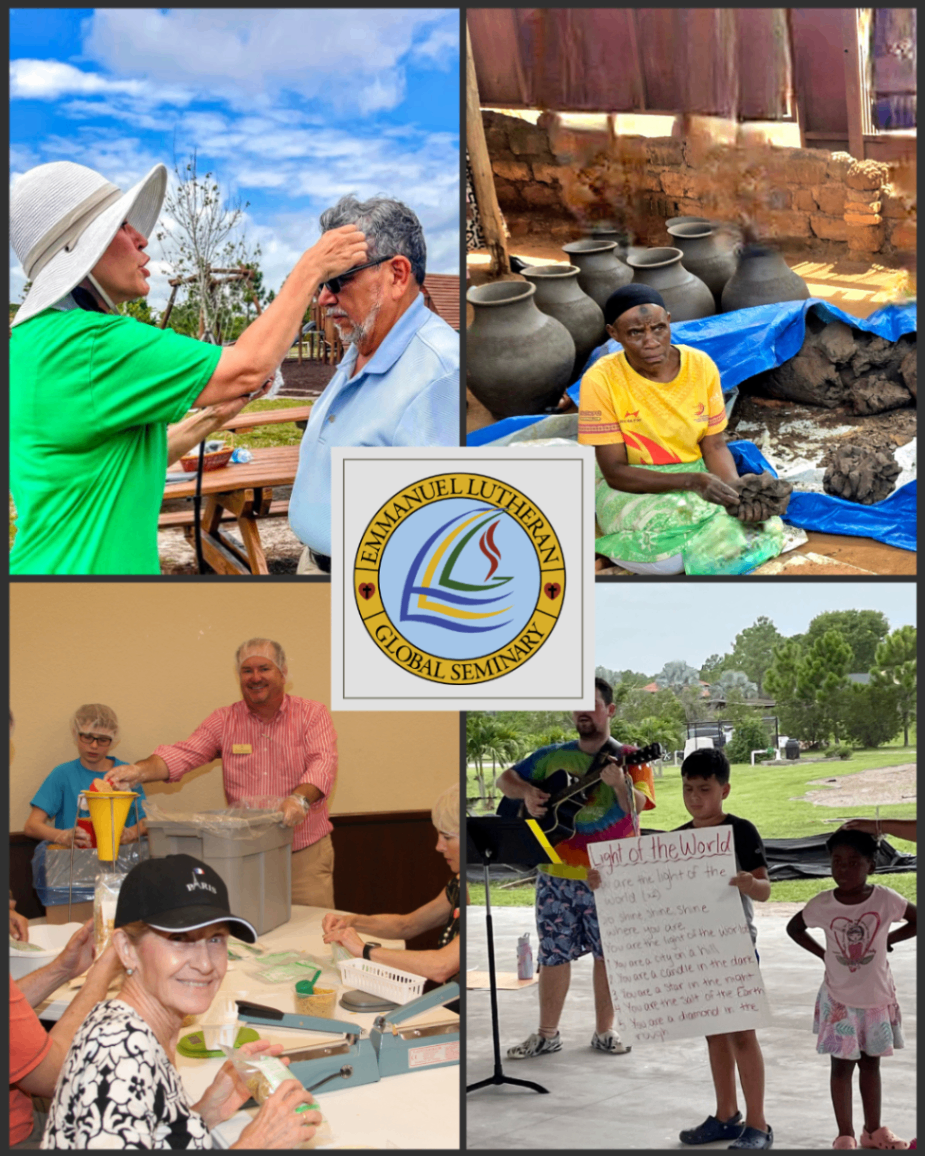
Students from African, Caucasian, Hispanic, and other cultural backgrounds contribute valuable perspectives to theological education. Their professional and community experiences help prepare them for ministry in congregations that are increasingly multicultural and connected across national boundaries.
A Labor of Love for the Church
The movement from job to ministry is not a rejection of the past. It is a faithful interpretation of the past. The workplace may have taught a person how to persevere, lead, organize, listen, serve, and remain present during difficulty. These lessons can become part of a mature pastoral vocation.
During Labor Day week, prospective students are encouraged to reflect on three questions:
These questions can help turn vocational uncertainty into a structured process of discernment. With prayer, congregational guidance, academic study, and faithful mentorship, a person can move from present responsibility toward future ministry with wisdom and courage.
Emmanuel Lutheran Global Seminary seeks to prepare leaders who bring faith into action, place love at the center of service, and pursue excellence in theological education. The church needs pastors and ministry leaders who understand both the depth of Christian doctrine and the daily realities of the people they serve.
The labor of love is therefore shared by the whole community. Churches, mentors, faculty, families, and students each have a role in forming leaders who will preach, teach, lead, train, serve, and transform communities through the Gospel.
For more information or to discuss your personal discernment and formation plan, please reach out to us via email at Team@ELGS.org. We would be excited to speak with you!
Title tag: Competency-Based Theological Education | ELGS
Meta description: Discover how competency-based theological education honors everyday work, forms pastoral leaders, and helps working adults pursue ministry with less debt.
URL slug:/post/competency-based-theological-education-work-ministry
Scheduled publication: August 31, 2026, at 9:00 AM EST, America/New_York
Comments