
From Traditional Classrooms to Contextual Mastery: Looking For a Competency-Based Master of Divinity? Here Are 10 Things You Should Know
URL Slug: /blog/competency-based-master-of-divinity-guide/ Meta Description: Discover 10 essential facts about a Competency-Based Master of Divinity. Learn how to earn your MDiv through contextual learning and graduate debt-free today.
The landscape of theological education is undergoing a significant transformation. Many aspiring pastors and ministry leaders are currently looking for a competency-based Master of Divinity that honors their current calling while providing rigorous academic preparation. Traditional models often require students to uproot their lives for a campus-based experience. However, the shift toward contextual and competency-based learning allows for a more integrated approach to ministerial formation.
At Emmanuel Lutheran Global Seminary, we recognize that the future of the church depends on leaders who are equipped with both deep theological knowledge and practical ministry skills. Our program is designed to meet you where you are. By focusing on demonstrated mastery rather than mere seat time, we empower you to pursue your degree within your local community. This model ensures that your education remains relevant to the specific needs of the people you serve.
1. Mastery Over Seat Time
The most fundamental shift in a competency-based Master of Divinity is the move away from the traditional credit-hour model. In a standard seminary setting, students must sit through a set number of hours in a lecture hall to earn credit. In a competency-based framework, the focus is entirely on what you can demonstrate and do. You progress through the curriculum as you prove your mastery of specific theological and pastoral skills.
This approach acknowledges that every student enters seminary with a different background and set of experiences. If you have already spent years leading Bible studies or managing church administration, you may move through those competencies more quickly. Conversely, you can take more time on subjects that are new or challenging. This ensures that every graduate possesses a uniform level of high-quality proficiency before they enter ordained ministry.
2. Learning in Context
One of the greatest benefits of this educational model is that it takes place where ministry actually happens. Instead of discussing pastoral care in an abstract classroom, you engage in it within your local congregation or ministry site. This "in-situ" approach bridges the gap between theory and practice immediately. You are not just a student; you are a practitioner who is deepening your understanding through real-world application.
Our Master of Divinity program emphasizes that the church is the primary laboratory for learning. When you study homiletics, you are preparing sermons for a community that you already know and love. When you study church history, you are looking for the roots of the traditions that shape your current context. This method of choosing a contextual seminary ensures that your education is never disconnected from the life of the faithful.

3. Flexibility for Working Professionals
Many individuals who feel a call to ministry are already deeply involved in their professions or are serving as lay leaders. A competency-based program offers the flexibility needed to balance these multifaceted responsibilities. Because the pace of the program is determined by your mastery of the material, you can adjust your study schedule to fit your life. You do not have to choose between your current job and your theological education.
This flexibility is essential for those who are pursuing their degree in a second or third career. It allows for a sustainable pace that prevents burnout and encourages long-term spiritual health. By integrating your studies into your existing rhythm of life, you remain grounded and present for your family and your community. The education becomes a supportive element of your daily walk with Christ rather than an external burden.
4. Integration of Practical Skills
The core of a competency-based Master of Divinity is the integration of practical ministerial skills with academic rigor. Students are required to demonstrate proficiency in areas such as preaching, liturgical leadership, and conflict resolution. These are not merely intellectual exercises but are vital skills that every pastor must possess. You will find that your coursework directly informs your Sunday morning responsibilities and your weekday administrative tasks.
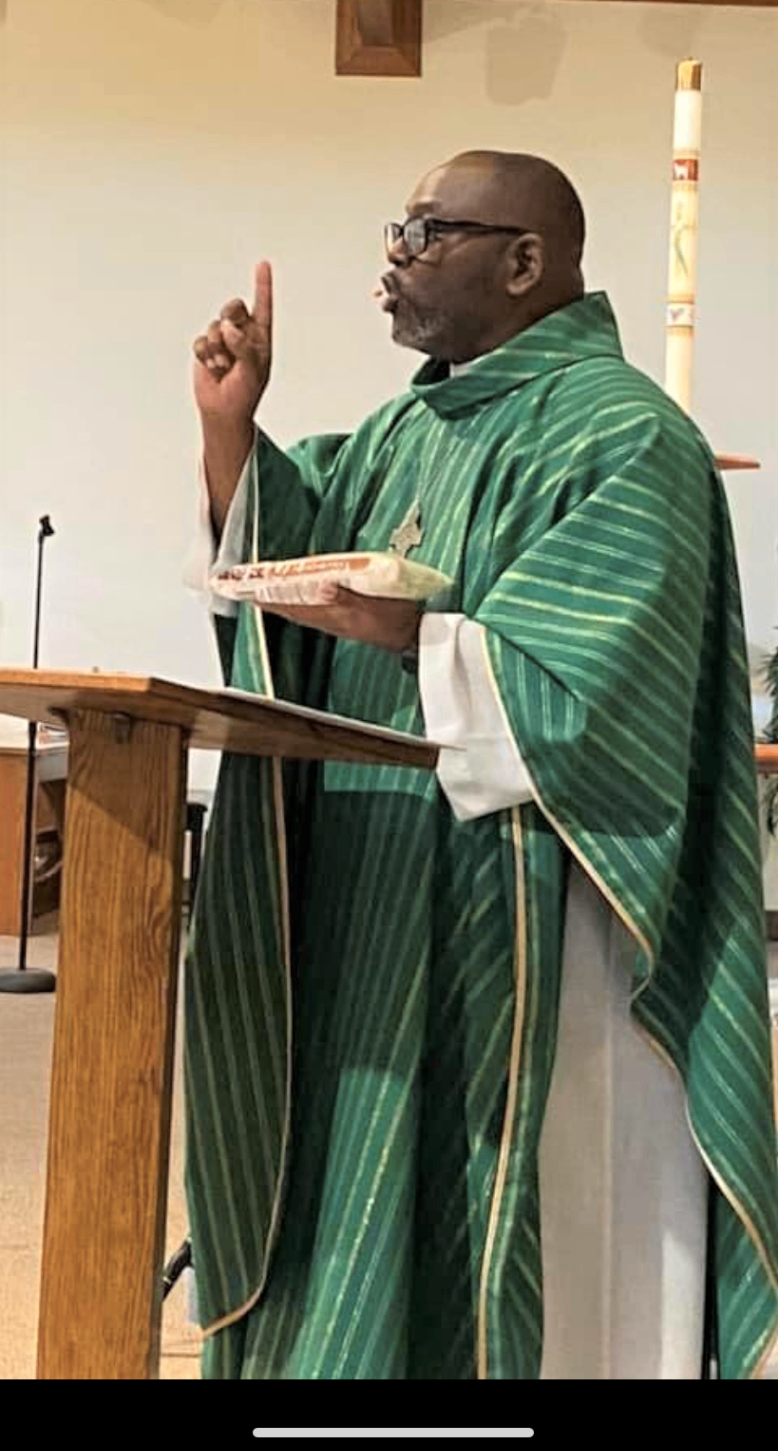
By focusing on these domains, the program produces leaders who are ready to hit the ground running upon graduation. You will not only know the history of the sacraments; you will have demonstrated the ability to preside over them with reverence and grace. This focus on accredited theology degrees and ministry paths prepares you for the diverse challenges of modern pastoral leadership.
5. Intentional Mentorship and Supervision
In a competency-based system, you are never learning in isolation. Each student is supported by a network of faculty members and local mentors who provide guidance and feedback. These mentors help you navigate the complexities of ministry and ensure that you are meeting the required standards of excellence. This relationship-based model mirrors the apprenticeship style of the early church.
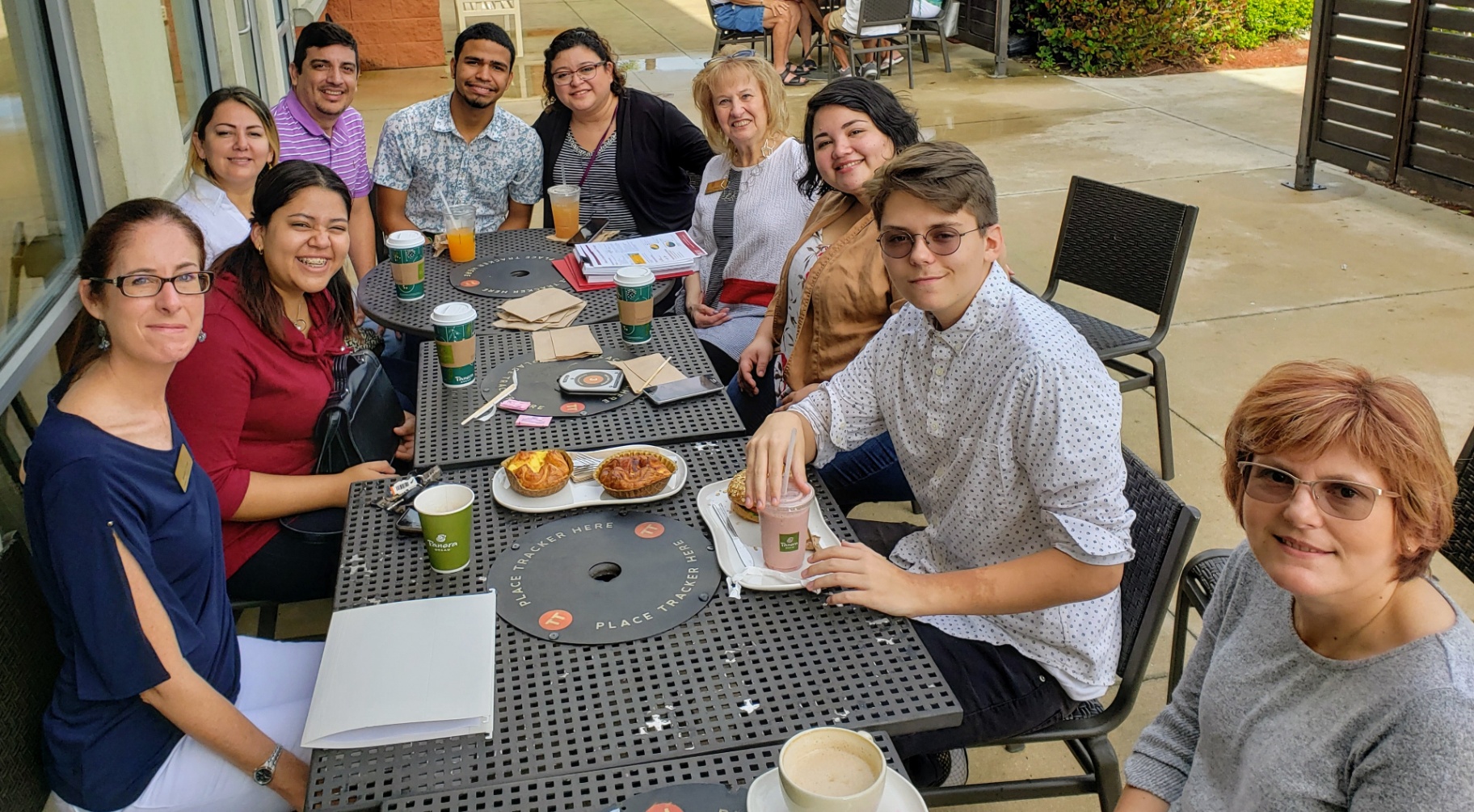
Faculty members at Emmanuel Lutheran Global Seminary serve as more than just lecturers; they are spiritual directors and academic coaches. They work closely with you to identify your strengths and areas for growth. This personalized attention ensures that your formation is holistic and tailored to your specific calling. The mentorship you receive during your studies often forms the foundation for a lifelong network of professional support.
6. A Path to Debt-Free Education
One of the most pressing concerns for modern seminary students is the burden of traditional student debt. Competency-based programs often provide a much higher return on investment by eliminating the costs associated with maintaining a large physical campus. Because you are learning in your local context, you do not have to worry about relocation expenses or high housing costs. This financial efficiency is a central pillar of our mission at ELGS.
Graduating without the burden of traditional debt allows you to enter ministry with a sense of freedom and focus. You can accept a call to a small rural parish or an urban mission start without the weight of massive monthly loan payments. We believe that theological education should be accessible and affordable for everyone who is called by God. A debt-free degree is not just a financial goal; it is a way to ensure the long-term sustainability of your ministry.
7. Rigorous Biblical and Theological Foundations
There is a common misconception that competency-based education is somehow less rigorous than traditional models. On the contrary, this model requires a high degree of self-discipline and intellectual engagement. To demonstrate mastery, you must prove that you truly understand the material and can apply it accurately. You are not just memorizing facts for an exam; you are internalizing the wisdom of the Christian tradition.
The Association of Theological Schools provides rigorous standards that ensure the quality of divinity programs across North America. You can learn more about these standards through the Association of Theological Schools. A competency-based MDiv meets these high expectations by requiring students to engage deeply with Hebrew and Greek, systematic theology, and church history. The rigor is found in the application of this knowledge to the complex problems facing the world today.
8. Portfolio-Based Assessment
Instead of relying solely on traditional letter grades, competency-based programs often utilize portfolio-based assessments. A portfolio is a collection of work that provides evidence of your growth and proficiency over time. It may include video recordings of sermons, written theological reflections, and reports from local ministry supervisors. This comprehensive view of your work offers a more accurate reflection of your readiness for ministry.
This method of assessment encourages a mindset of continuous improvement and lifelong learning. You are always looking for ways to refine your skills and deepen your understanding. By the time you reach graduation, you have a tangible record of your achievements and a clear roadmap for your future development. This portfolio becomes a valuable tool as you seek a call and begin your pastoral journey.
9. Spiritual Formation in Community
Formation is not something that happens in a vacuum; it occurs within the body of Christ. A competency-based Master of Divinity emphasizes that your spiritual growth is intrinsically linked to your life in community. As you serve and lead, you are being formed by the people of God. This communal aspect of learning ensures that you remain humble and accountable to those you are called to serve.
The Competency-Based Education Network highlights how this model fosters deeper engagement between students and their professional environments. At ELGS, we prioritize the spiritual health of our students by integrating spiritual direction into the academic curriculum. We believe that a healthy pastor is one who is rooted in prayer, fellowship, and the study of Scripture. Your education is a journey of the heart as much as it is a journey of the mind.
10. Recognition and Credibility
As you consider your options, it is important to know that competency-based degrees are gaining wide recognition and respect. Denominational leaders and call committees increasingly value graduates who have proven their skills in real-world settings. They appreciate the maturity and practical experience that competency-based students bring to their first call. Your degree from ELGS carries the weight of academic excellence and ministerial relevance.
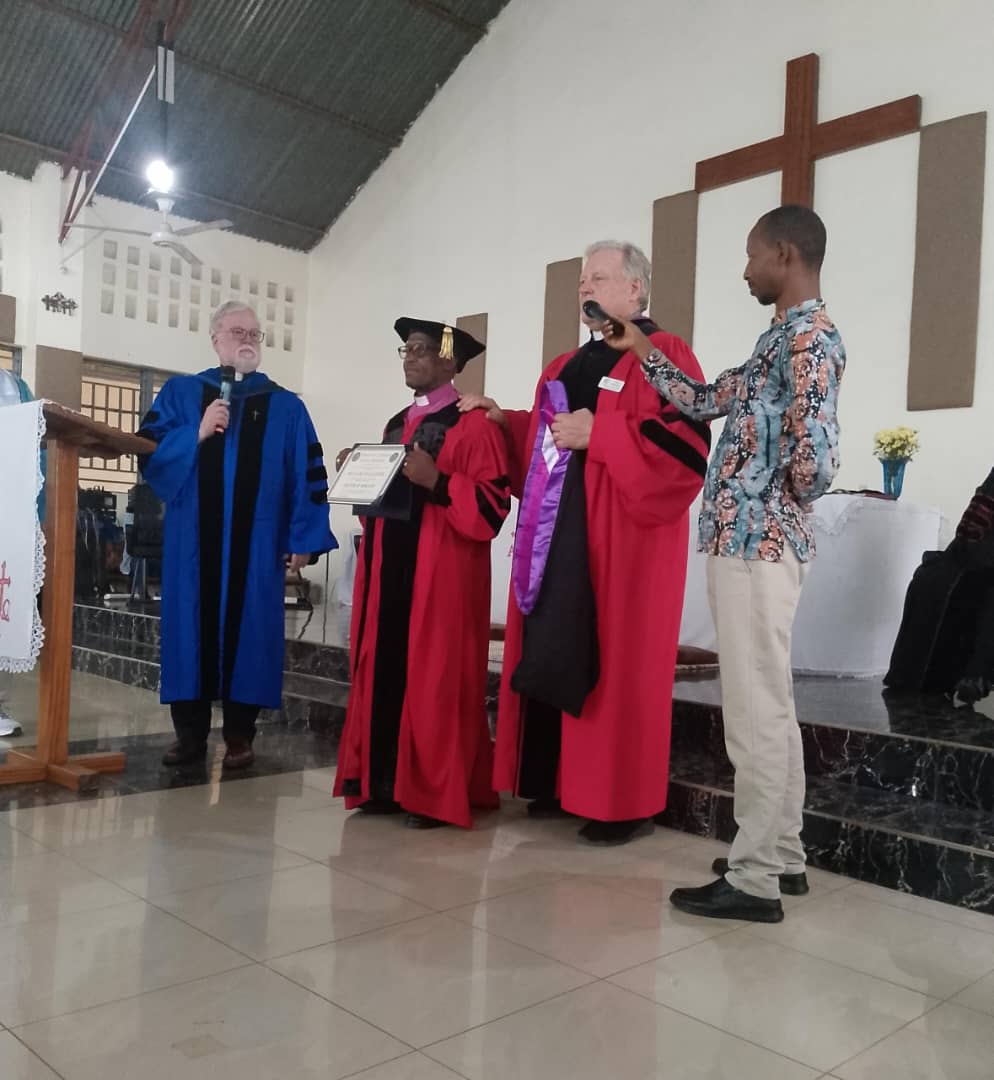
This credibility is built on a foundation of rigorous assessment and institutional integrity. When you graduate, you join a global community of leaders who are making a significant impact in their contexts. You are prepared to lead with confidence, knowing that you have been tested and found ready for the work of the Gospel. The transition from student to pastor is a natural progression of the work you have already been doing.
The path toward ordained ministry is a sacred journey that requires both courage and commitment. If you are pursuing a deeper understanding of your calling, we invite you to explore the possibilities of our competency-based Master of Divinity. By engaging in this innovative model, you are participating in a movement that honors the past while looking boldly toward the future. Together, we can equip the next generation of leaders for the sake of the global church.
For more information or to discuss your personal discernment and formation plan, please reach out to us via email at Team@ELGS.org. We would be excited to speak with you!
Comments