
Sustaining the Soul: Spiritual Disciplines for the Busy Minister
- team
- Jul 30
- 6 min read
The journey of a pastoral leader often moves from a state of exhaustion to a state of profound spiritual vitality. Many individuals begin their ministry with a deep sense of calling but soon find themselves overwhelmed by the administrative and emotional demands of the local church. This article explores how a dedicated focus on spiritual disciplines can transform a tired professional into a flourishing shepherd.
Maintaining a vibrant spiritual life is not a luxury for those in leadership roles. It is a fundamental necessity for anyone pursuing a pastoral ministry degree or serving in a full-time capacity. At Emmanuel Lutheran Global Seminary, the focus remains on equipping students with practical skills and spiritual resilience.
The modern seminary experience must prioritize the soul of the student just as much as their academic achievement. Many students are currently engaged in our competency-based learning programs while balancing full-time employment and family responsibilities. They are deepening their relationship with God through specific, time-tested practices that sustain them in their daily work.
The Foundation of Prayer and Intercession
Prayer serves as the primary lifeline for the minister who is constantly giving to others. It is the discipline through which a leader lets the Word of God descend from the mind into the heart. By setting aside a specific time and place for intercession, the pastor ensures that their ministry flows from a place of communion rather than pressure.
One may observe a pastor engaging in short, regular times of adoration and thanksgiving throughout a busy day. These brief moments of prayer before and after meetings serve as a spiritual shield for the soul. They allow the minister to breathe the presence of God into every task and interaction.
Intercessory prayer for the congregation is also a vital part of the pastoral role. When a leader prays for their staff and family, they are participating in the ongoing work of Christ. This practice reminds the minister that the weight of the church does not rest solely on their shoulders.

Encountering the Word Beyond Sermon Preparation
A common challenge for those in ministry is reading the Bible only for the sake of others. However, a thriving spiritual life requires a systematic and prayerful reading of the Holy Scriptures for personal nourishment. This involves asking what God is saying to the individual before seeking the congregational implications of a text.
Practices such as lectio divina allow the Word to search the motives and desires of the reader. This slow and prayerful reading transforms the Bible from a textbook into a living encounter with the Creator. It is through this discipline that a student's identity is grounded in being a disciple before they are a preacher.
Many leaders find that memorizing Scripture provides a constant source of strength during difficult pastoral visits. When the Word is hidden in the heart, it is always available to provide guidance and comfort. This personal engagement with the Bible is a cornerstone of the doctor of ministry experience at our institution.
The Gift of Sabbath and Holy Rest
The practice of Sabbath is a bold declaration that God sustains the world even when the minister stops working. Because Sundays are typically days of intense labor, pastors must designate another day for their practical rest. This day should be marked by a complete cessation of pastoral tasks, including the checking of emails.
Sabbath-keeping is a discipline that resists the modern culture of constant busyness. It is an act of trust that honors the sovereignty of God over the church and its programs. When a leader rests, they are acknowledging their own limitations and celebrating the sufficiency of grace.
Life-giving activities that restore the body and soul are essential during these periods of rest. Whether it is spending time in nature or enjoying a meal with loved ones, these moments are holy. For those pursuing a pastoral ministry degree, learning to rest early in one's career is vital for long-term faithfulness.
Walking in the Light through Confession
Ministry busyness can often mask a spiritual drift or the presence of hidden sin. Regular self-examination and confession are necessary to maintain the integrity of a pastoral leader. This discipline cultivates humility and guards the minister against the dangers of hypocrisy and moral failure.
A daily rhythm of reviewing one's actions before God allows for the immediate reception of grace and forgiveness. It helps the leader name and surrender patterns of control, resentment, or overwork. By bringing these areas into the light, the pastor finds the freedom to lead with a clear conscience.
Periodic confession to a trusted spiritual director or mentor provides an additional layer of support. This practice aligns with the guidelines found in James 5:16, encouraging believers to pray for one another for healing. It is a powerful way to experience the communal nature of the Christian life.
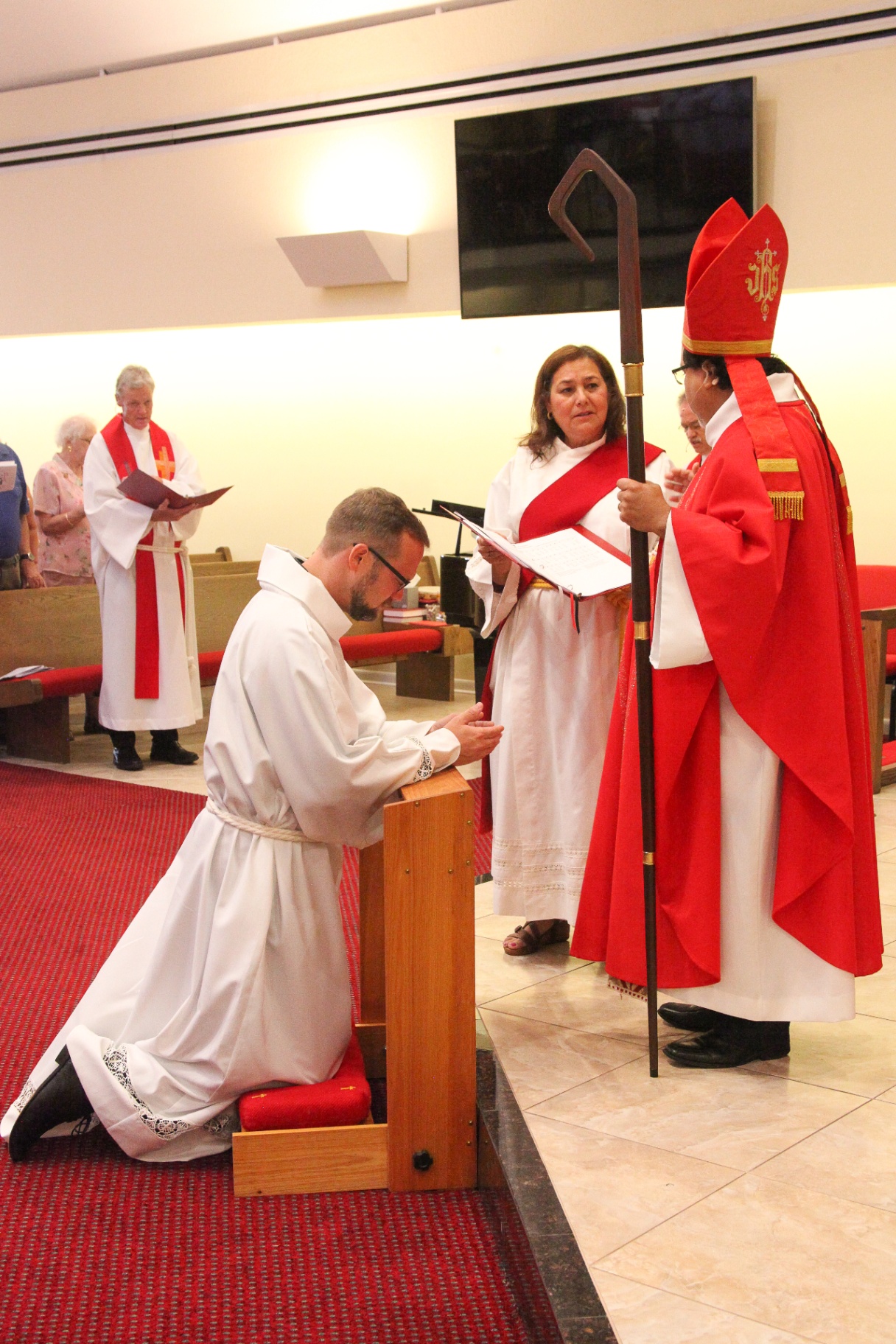
Pursuing Excellence through Spiritual Direction
Spiritual direction offers a protected space for a leader to attend to the presence of God. Unlike traditional counseling or mentorship, it focuses specifically on the movement of the Holy Spirit in one's life. This discipline is particularly valuable for those who carry heavy burdens but have few places to be fully honest.
A spiritual director provides a loving and objective presence as the minister shares their soul. They help the leader discern where God is at work beneath the surface of anxiety and expectations. This process of discernment is a significant aspect of leadership training in the Lutheran tradition.
For those looking to deepen this practice, our DMin spiritual direction program offers a rigorous academic and spiritual path. This doctor of ministry degree is designed for those who wish to guide others in their spiritual journeys. It emphasizes the integration of theological wisdom with practical ministerial skills.
A Sustainable Path to Ministry Leadership
The return on investment for this type of education is measured in more than just academic credits. Students are able to graduate without the burden of traditional debt due to our commitment to affordability. This financial freedom allows them to serve in diverse contexts without the pressure of high loan payments.
Our programs are designed for working adults who need flexibility without sacrificing quality. Because the learning is done in context at local churches, the transformation is immediate and practical. This pedagogical approach ensures that students are formed as leaders while they are actively engaged in ministry.
Prospective students are invited to join a community that values excellence in education and depth of spirit. The Association of Theological Schools provides standards that we consistently uphold through our accredited programs. You may learn more about these standards by visiting the ATS website.
The Journey Toward Transformation
The transition from a state of spiritual dryness to a state of being fully alive in Christ is the goal of our formation process. As students engage in these spiritual disciplines, they become better equipped to transform their communities. Their leadership becomes a reflection of the love and grace they have received from God.
Whether you are just beginning to discern your call or are a seasoned leader seeking renewal, these practices are for you. They are the habits of grace that will sustain your soul for a lifetime of service. We are committed to supporting you as you pursue your pastoral ministry degree and beyond.
The mission of the Evangelical Lutheran Church in America and the Lutheran World Federation is to share the Gospel with a world in need. By sustaining your own soul, you are better prepared to participate in this global mission. Your personal growth is directly connected to the health and vitality of the body of Christ.
Conclusion
Individual formation leads naturally to a collective mission where every leader is a vessel of God's peace. We invite you to explore how our competency-based programs can help you integrate these spiritual disciplines into your daily life. Together, we can build a future where pastoral leaders are formed by wisdom, faith, and love.
For more information or to discuss your personal discernment and formation plan, please reach out to us via email at Team@ELGS.org. We would be excited to speak with you!
Meta Description: Discover essential spiritual disciplines for busy pastors. Learn how prayer, Sabbath, and spiritual direction sustain your soul for impactful pastoral ministry.
URL Slug: /post/spiritual-disciplines-busy-pastors
Comments