
Why an Accredited Seminary Matters for Ordination
Choosing a seminary is a spiritual and academic decision. Many prospective students compare tuition, flexibility, location, and program length, but one question shapes every later decision: Is the seminary accredited?
An accredited seminary has undergone formal review by an established accrediting agency. That review examines academic quality, faculty qualifications, curriculum, student services, institutional integrity, assessment, and the school’s ability to fulfill its mission. For a student preparing for ordination, accreditation can affect transfer credit, financial aid, denominational recognition, future employment, and the lasting value of a degree.
What an Accredited Seminary Actually Means
Accreditation is a quality review process conducted by a private, nongovernmental organization. The accreditor evaluates a school against published standards and requires evidence that the institution is meeting those standards over time.
Accreditation is not the same as state authorization, membership in a church organization, or approval from a private educational association. A school may be legally permitted to operate and still lack recognized accreditation. A school may also belong to a professional network without being accredited by that organization.
For graduate theological education in the United States and Canada, the Commission on Accrediting of The Association of Theological Schools is a major specialized accreditor. The Association of Theological Schools accreditation resources explain how accreditation supports quality and accountability among theological schools.
The Commission on Accrediting reviews graduate theological institutions and programs through processes that include institutional self-study, peer evaluation, formal review, and continuing accountability. Its accreditation frequently asked questions provide additional guidance for students and institutions.
A school should be able to identify its accreditor, explain what the accreditation covers, and provide a clear way for applicants to verify that information.
Who Recognizes the Accreditor?
The United States Department of Education does not accredit colleges or seminaries directly. Instead, it recognizes accrediting agencies that meet federal standards for reliability and academic oversight.
The Department of Education maintains resources that help students determine whether an accreditor is recognized and whether an institution appears in the federal accreditation database. Students can review the Department of Education accreditation information and search the Database of Accredited Postsecondary Institutions and Programs.
This distinction matters because the word “accredited” can be used loosely. A school may claim approval from an organization that is not recognized by the Department of Education or the Council for Higher Education Accreditation. That type of claim may not provide the academic or professional benefits students expect.
For theological education, students should ask two separate questions:
Is the accreditor recognized and appropriate for the type of degree being offered?
Is the specific institution and degree program covered by that accreditation?
The answer should be confirmed through official accreditor listings, the school’s catalog, and written enrollment materials.

Why Accreditation Matters in Practical Terms
Accreditation is not merely a line on a seminary website. It can shape a student’s opportunities during formation and after graduation.
Transfer Credit and Further Study
Students sometimes change programs, pursue a second degree, or continue toward doctoral study. Receiving institutions make their own transfer decisions, but credits from a recognized and accredited seminary are generally easier to evaluate than credits from a school with no recognized accreditation.
Accreditation does not guarantee that every credit will transfer. Each institution may set limits based on course content, grades, age of credits, degree level, and curriculum alignment. Still, an accredited program gives the receiving school a credible academic framework for review.
Without accreditation, a student may discover that completed coursework cannot be applied toward another degree. A low-cost program can become costly if the student must repeat years of study.
Federal Financial Aid Eligibility
Accreditation may also affect eligibility for federal financial aid in the United States. A school generally must meet several requirements, including appropriate authorization, accreditation by a recognized accrediting agency, and approval to participate in federal aid programs.
Accreditation alone does not guarantee access to federal grants or loans. Students should ask whether the institution participates in Title IV programs and whether the specific degree qualifies. The financial aid office should provide a direct and current answer.
Students should also review scholarships, denominational grants, employer support, and payment plans. Responsible financing is part of good vocational stewardship.
Denominational and Ordination Requirements
Ordination is governed by the policies of a denomination, synod, diocese, judicatory, or other ecclesiastical body. Some church bodies require an accredited Master of Divinity degree. Others review programs individually or impose additional requirements related to biblical languages, supervised ministry, clinical formation, residency, or denominational studies.
An accredited seminary cannot promise ordination. Ordination involves discernment by the church, examination of character and doctrine, supervised service, and formal ecclesiastical approval. However, attending an accredited institution can help a candidate meet the educational requirements established by the relevant church body.
Before enrolling, a prospective student should speak with the denominational office or ordaining authority. The question is simple: Will this specific degree and program satisfy the educational requirements for ordination?
Credibility with Congregations and Search Committees
Congregations and search committees often review a candidate’s education as part of a broader vocational record. They may consider ministry experience, references, preaching ability, pastoral care, theological depth, leadership, and denominational standing.
An accredited degree provides confidence that the candidate completed a program reviewed against recognized academic standards. It does not replace spiritual maturity or practical competence, but it strengthens the credibility of the educational record.
For a pastoral candidate, accreditation communicates that the program included meaningful expectations, qualified oversight, assessment, and institutional accountability.

Warning Signs of an Unaccredited Program
A student should pause before enrolling when a program cannot answer basic questions about accreditation. Warning signs include:
No recognized accreditor is named.
The program uses vague terms such as “accreditation pending” without identifying the accrediting agency or review timeline.
The school claims that membership, licensing, or church affiliation is the same as accreditation.
The degree-issuing institution is unclear.
The degree cannot be verified through an official institutional catalog or accreditor listing.
The program promises rapid degrees with little evidence of assessment or faculty oversight.
Staff members avoid providing written answers about transfer credit, ordination, or financial aid.
The school pressures applicants to enroll before they can review policies and costs.
“Accreditation pending” may describe a legitimate institution working through a formal process, but pending status is not the same as current accreditation. Students should ask what will happen if the school does not receive approval before graduation.
The safest approach is to verify the accreditor independently rather than relying only on marketing language.
Accreditation and Affordability Are Not Opposites
Some students assume that an accredited seminary must require relocation, campus residence, and substantial debt. That assumption is no longer necessary. A seminary can maintain academic rigor while using competency-based, self-paced, and in-context formation models.
A competency-based program focuses on demonstrated learning. Students develop knowledge, practical ministry skills, theological reflection, and pastoral dispositions through clear outcomes and evidence of competence. Learning may take place through ministry projects, supervised service, mentoring, theological writing, preaching, pastoral care, and congregational leadership.
An in-context model can also reduce the cost of relocation, commuting, and leaving employment. Students continue serving in their churches and communities while connecting academic study to real ministry needs. This approach can improve the return on investment because the student is developing skills that are immediately useful in ministry.
At Emmanuel Lutheran Global Seminary, the programs page describes a competency-based, context-focused approach and affordable monthly tuition. Prospective students should confirm the current accreditation status, degree-issuing institution, program approval, and ordination applicability before enrollment.
The goal is not simply to find the lowest price. The goal is to receive credible theological formation without the burden of traditional debt.
ELGS has also explored these themes through its article on competency-based theological education and its discussion of debt-free ministry education. These resources help prospective students consider how academic quality, practical formation, and financial responsibility can work together.
Questions to Ask Before Choosing a Seminary
Before submitting an application, a prospective student should request clear answers to the following questions:
These questions protect the student’s time, finances, vocation, and future ministry opportunities.
From Seminary Choice to Faithful Service
The decision to attend an accredited seminary is part of a larger process of vocational discernment. A student is not only choosing courses. The student is choosing a community of formation, a pattern of accountability, and a foundation for future service.
Accreditation offers practical confidence, while mentoring and spiritual formation help shape the person behind the credential. Through disciplined study, prayer, ministry practice, and guidance from the church, a prospective leader can move from a developing sense of calling toward greater readiness for preaching, pastoral care, leadership, and service.
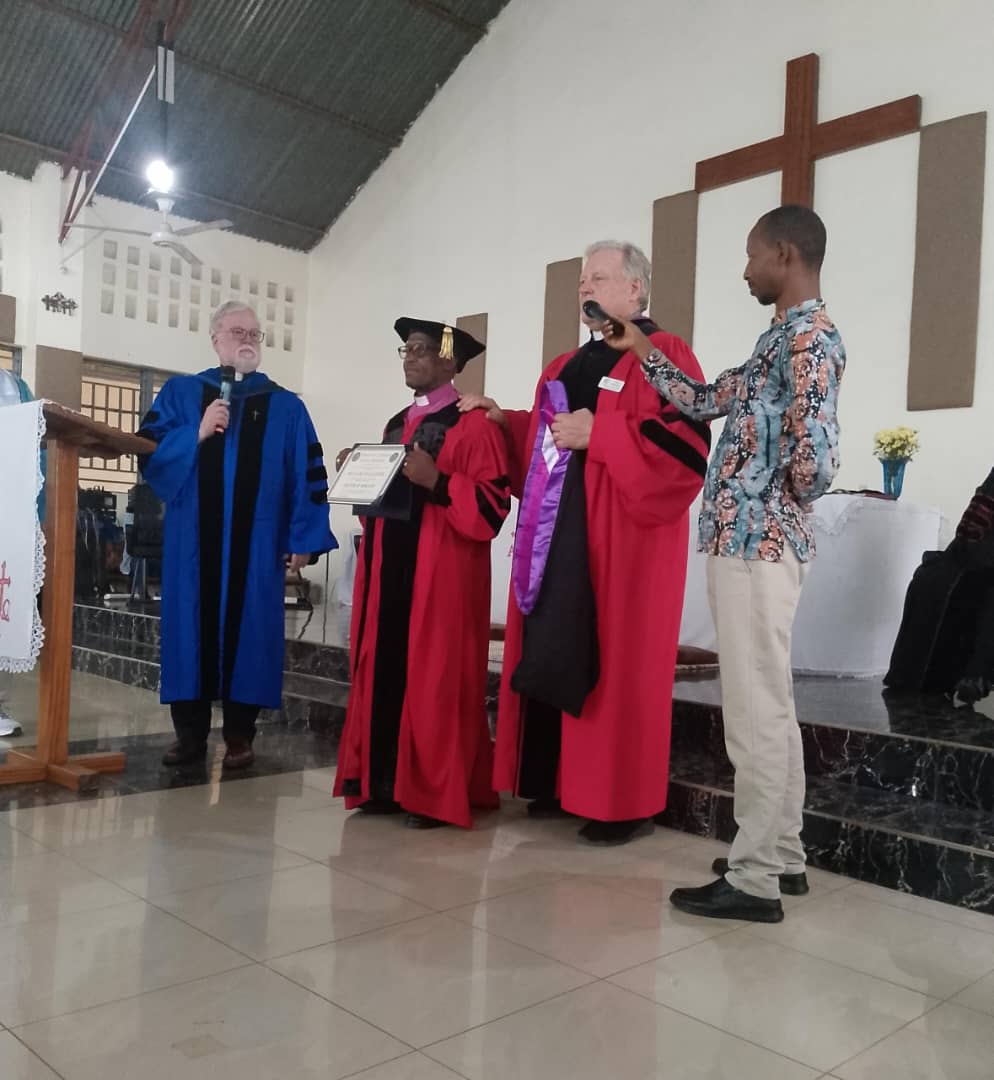
Emmanuel Lutheran Global Seminary invites prospective students to examine accreditation, affordability, competency-based learning, and ministry fit with care. The competency-based theological education for working adults resource offers another perspective on how theological formation can serve students who are working, leading, and caring for their families while pursuing a call.
When students choose wisely, they protect the value of their education and strengthen their preparation for the church’s mission. Accredited theological education, practical ministry formation, and responsible affordability can belong together.
For more information or to discuss your personal discernment and formation plan, please reach out to us via email at Team@ELGS.org. We would be excited to speak with you!
Comments