
Lutheran Seminary Online: A Faithful, Flexible Program
- team
- Aug 13
- 7 min read
Meta description: Searching for a lutheran seminary online? Explore confessional grounding, in-context study, affordability, accreditation, and practical ministry formation.
URL slug:/post/lutheran-seminary-online
For many adults discerning a call to ministry, the search for a lutheran seminary online is not only an academic decision. It is a spiritual and vocational decision that must honor family responsibilities, employment, church service, and a deepening sense of calling. The right program should provide theological fidelity, academic excellence, practical formation, and a responsible return on investment.
Emmanuel Lutheran Global Seminary serves students worldwide within the Lutheran theological tradition. Its competency-based programs allow students to learn in context, often within their churches and communities, while pursuing the knowledge, skills, and spiritual maturity needed for faithful ministry.
What to Look for in a Lutheran Seminary Online
A seminary program should be measured by more than convenience. A faithful institution will help students connect biblical study, Lutheran theology, spiritual formation, pastoral practice, and service to the world.
Before making a decision, prospective students should examine six areas:
Lutheran theological identity
Confessional and biblical grounding
Flexibility for working adults
Affordability and return on investment
Accreditation and academic quality
Competency-based ministry formation
These areas provide a clear framework for comparing programs and discerning which educational path best supports a student’s vocation.
1. Look for Clear Lutheran Theological Grounding
A Lutheran seminary should state clearly how Scripture, the Lutheran Confessions, worship, grace, and vocation shape its educational mission. The program should not merely use the word “Lutheran” in its name. Its curriculum, faculty, spiritual formation, and approach to ministry should reflect the central convictions of the Lutheran tradition.
Lutheran theology is centered on the good news of Jesus Christ and the promise of salvation by grace through faith. It takes the authority of Scripture seriously, proclaims both Law and Gospel, and recognizes the church as a community gathered around Word and Sacrament.
This grounding also includes a theology of vocation. Ministry is not simply a career choice. It is a response to God’s work in the world, confirmed through prayer, the church, trusted mentors, and a growing readiness to serve others.
The Lutheran World Federation describes the global Lutheran communion as a fellowship rooted in the Bible and shaped by diverse church contexts. This global perspective matters because pastoral leaders must be prepared to serve congregations that are multicultural, changing, and connected to the wider body of Christ.
2. Examine Confessional Formation and Spiritual Development
Academic study and spiritual formation should work together. A strong program will help students deepen their prayer life, examine their understanding of Christian doctrine, and grow in the habits required for faithful pastoral leadership.
Prospective students should ask:
How are the Lutheran Confessions used in the curriculum?
How does the program connect doctrine with preaching and pastoral care?
Are students encouraged to pursue prayer, worship, reflection, and service?
Is there a clear process for vocational discernment?
How are mentors and local church leaders involved in formation?
At ELGS, theological education is connected with formation, biblical study, vocational discernment, theological reflection, and integrated practice. The Master of Divinity program includes outcomes related to Christian spirituality, biblical exegesis, Gospel proclamation, theology and worship, Christian tradition, ethics, collaboration, care, and continued growth.
This approach recognizes that pastoral readiness includes more than information. A future pastor must be able to interpret Scripture carefully, proclaim Christ faithfully, listen with compassion, lead responsibly, and remain teachable throughout a lifetime of ministry.
3. Choose Flexibility That Respects Real Responsibilities
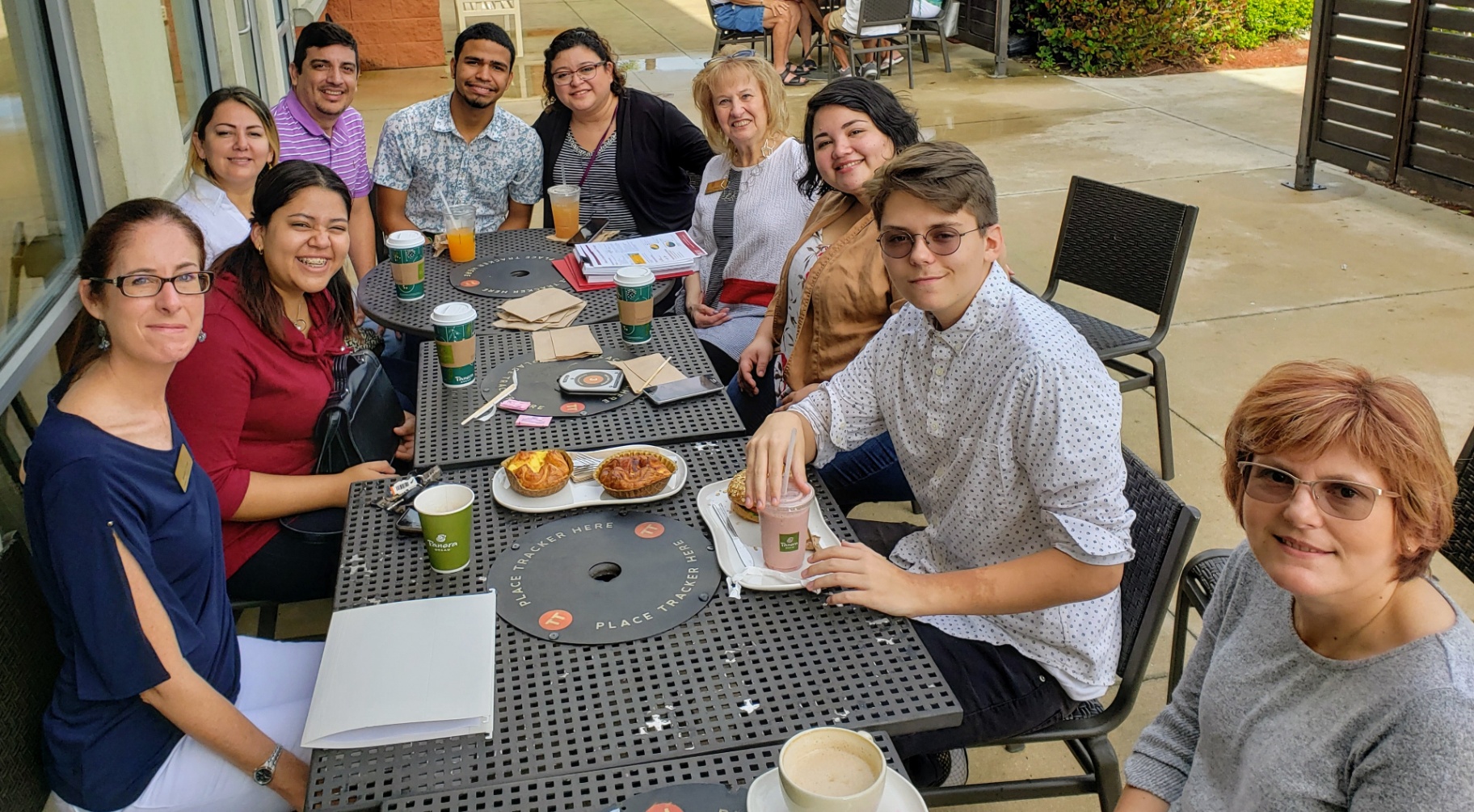
Many students called to ministry are already working, raising families, serving congregations, or leading community organizations. A rigid academic structure may force them to choose between their existing responsibilities and their theological education.
A flexible program allows students to continue serving while they learn. It also recognizes that meaningful ministry formation can take place in the local church, where students encounter real pastoral questions and develop practical leadership skills.
ELGS uses an in-context model rather than requiring students to leave their communities for a traditional residential experience. A student may apply theological learning to preaching, worship planning, youth ministry, congregational administration, community outreach, pastoral care, or mission development.
This model supports a more integrated life. Professional experience, church service, family responsibilities, and academic work can become part of a coherent formation plan rather than disconnected obligations.
Students should also ask how a seminary supports them through mentoring, assessment, community reflection, and faculty guidance. Flexibility should never mean isolation. The best structure gives students freedom while maintaining accountability and meaningful relationships.
For a deeper look at this approach, read “From Lay Servant to Ordained Leader: The Journey Through In-Situ Pastoral Formation”.
4. Consider Affordability and the Return on Investment
The cost of theological education has a direct effect on a student’s future ministry. High tuition, relocation, housing, transportation, and lost employment income can create a financial burden that follows a pastor for many years.
Prospective students in 2026 are especially aware of the need to graduate without the burden of traditional debt. An affordable seminary can provide a stronger return on investment by allowing students to remain in their communities, continue working, and avoid unnecessary relocation costs.
Financial stewardship is not separate from vocational discernment. A student should consider whether an educational pathway will provide the preparation needed for ministry while also supporting the long-term well-being of the student’s household and congregation.
The value of a theological degree is not measured only by salary. Its deeper return is seen in faithful preaching, healthy congregations, stronger community relationships, and leaders who are equipped to serve where they are most needed. Still, responsible tuition planning can give graduates greater freedom to accept ministry opportunities that may not offer large financial resources.
ELGS is committed to removing financial barriers to ministry education. Its affordable, competency-based structure is designed to help students pursue academic excellence while remaining attentive to the realities of work, family, and service. Learn more about this mission in “From Financial Burden to Ministerial Freedom”.
5. Verify Accreditation and Academic Quality
Accreditation provides an important measure of academic accountability. It shows that an institution has been evaluated according to established standards related to curriculum, faculty, governance, student services, and institutional effectiveness.
Students should review the seminary’s accreditation information carefully and ask how the degree may support ordination, continued study, professional ministry, or service within a particular church body. Accreditation is important, but it should be considered alongside church recognition and the requirements of the student’s synod, denomination, or ecclesiastical authority.
The Association of Theological Schools provides information about quality standards and accreditation within graduate theological education. Its resources can help prospective students understand the difference between accredited degree programs, certificates, and informal religious training.
A student should also review the faculty, program outcomes, admissions requirements, assessment process, and available student support. Academic quality is demonstrated through the complete educational structure, not through a single label.
For students pursuing pastoral ministry, the program should prepare them for both theological scholarship and practical leadership. The degree should have a clear relationship to the work of the church.
6. Seek Competency-Based Learning in Context
Competency-based theological education focuses on what students can demonstrate. Instead of measuring progress only by time spent in a classroom, it evaluates the student’s ability to apply theological knowledge and ministerial skills in real situations.
A competency-based student may demonstrate growth through sermons, biblical interpretation, worship leadership, pastoral conversations, teaching plans, community projects, reflective writing, and other forms of evidence. These activities connect academic learning with the actual responsibilities of ministry.
This approach is especially valuable for working adults because it honors prior experience while still requiring growth and accountability. A student with experience in counseling, education, nonprofit leadership, administration, or community organizing may bring valuable skills to theological formation. The program then helps connect those skills with Christian vocation and pastoral responsibility.
Competency-based learning also strengthens the local church. When students apply their learning in their congregations, the entire ministry context can benefit. New insights are tested through service, refined through feedback, and directed toward the needs of real people.
The result is a graduate who is not only able to discuss theology but also prepared to preach, lead, train, serve, and participate in the transformation of communities.
A Faithful Choice for Global Ministry
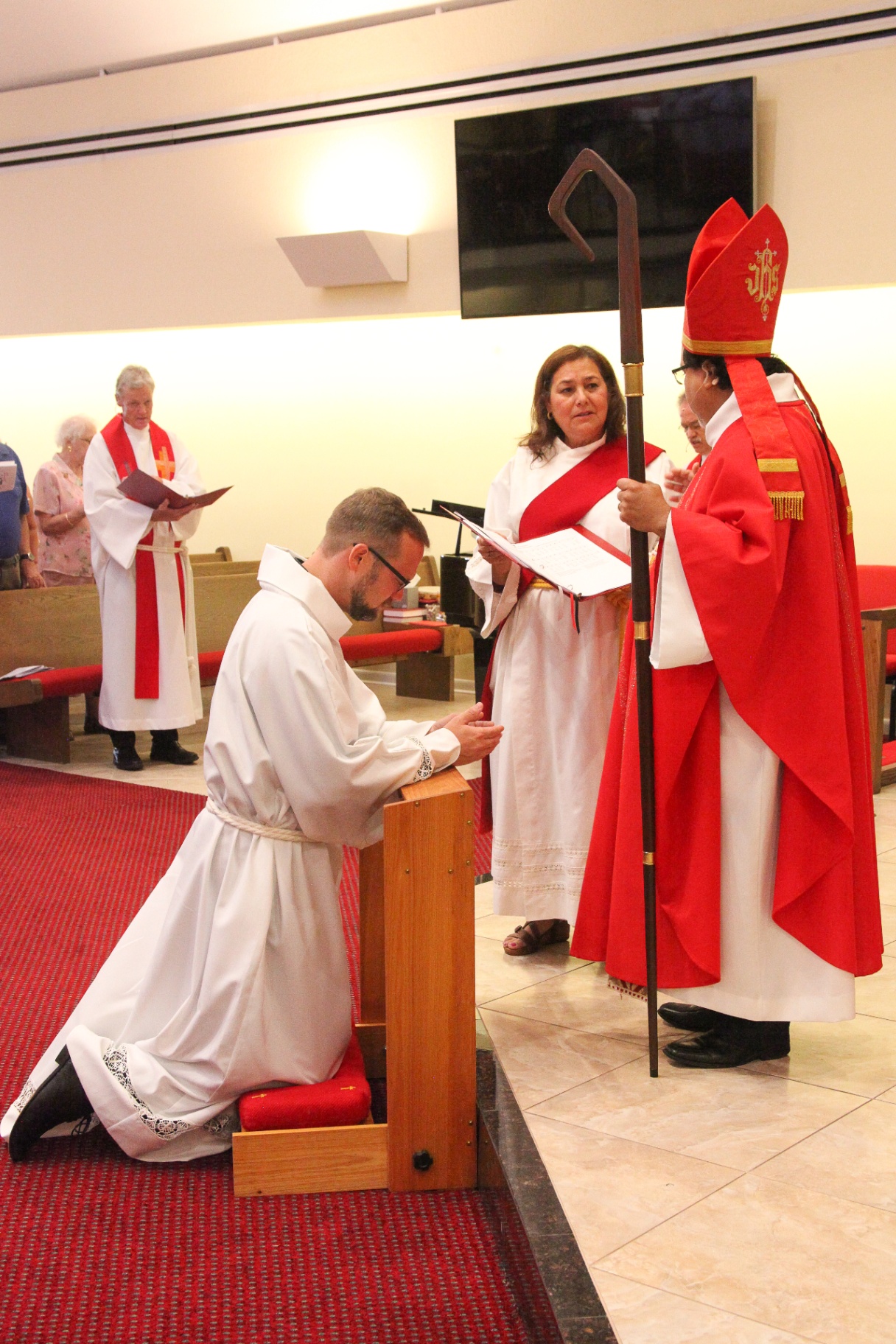
ELGS serves students from diverse cultural, professional, and ecclesiastical backgrounds. Its mission reflects the worldwide character of the church and the need for leaders who can serve faithfully across cultures and communities.
The ELGS story and institutional philosophy describe a Christ-centered community where academic excellence meets spiritual formation. Students are invited to bring their questions, experiences, and vocational hopes into a learning process shaped by God’s grace.
This is important for international and multicultural students who may need an educational pathway that respects local ministry realities. A leader serving in a rural congregation, an urban parish, a mission setting, or a multicultural community benefits from formation that is connected to the people and place being served.
A faithful and flexible seminary does not separate theological study from the life of the church. It helps students move from discernment to preparation, from preparation to service, and from service to continued growth in Christ.
A Practical Discernment Checklist
Before selecting a program, a prospective student can use the following questions:
Does the seminary clearly affirm the Lutheran theological tradition?
Are Scripture, the Lutheran Confessions, Word and Sacrament, and vocation part of the curriculum?
Can students learn in context while continuing work and church responsibilities?
Does the program provide mentors, faculty guidance, and spiritual formation?
Is the tuition structure affordable, with a realistic path toward low-debt or debt-free education?
Is the degree accredited and recognized by the appropriate church authorities?
Are students assessed through demonstrated ministry competencies?
Does the program serve students from different cultures and countries?
Will the education prepare the student to serve the congregation and wider community?
The journey from vocational uncertainty to ministerial readiness requires patience, discipline, prayer, and wise counsel. A seminary program should support that journey with academic rigor, theological fidelity, personal attention, and a clear commitment to the church’s mission.
For those seeking a faithful Lutheran seminary online, the essential question is not simply where coursework takes place. The deeper question is whether the program helps the student grow in knowledge, character, practical ability, and love for God’s people.
Emmanuel Lutheran Global Seminary invites called leaders, working adults, church servants, and students from around the world to consider a formation pathway rooted in faith and expressed through action. Explore the ELGS request information page to begin a conversation about the next faithful step.
For more information or to discuss your personal discernment and formation plan, please reach out to us via email at Team@ELGS.org. We would be excited to speak with you!
Comments